With your permission we measure how the site is used and show content from other services: Google Maps, YouTube, Spotify. Accept or reject all of it, or choose in your preferences. You can change this at any time from Privacy preferences at the foot of every page. Privacy policy
Business activities touch the lives of billions of working parents and children, both in a company’s own operations and global supply chains. The COVID-19 pandemic has thrown into sharp relief the need for comprehensive Government and business policies that protect…
On July 3, 2026, during the Fourth Ibero-American Ministerial Conference on Social Affairs and Inclusive Development, held in Avilés, Spain, ministers and high-level officials from the region adopted a Ministerial Declaration and the Ibero-American Charter on Care and Support, reaffirming…
With this new edition of the monitoring of the General Budget of the Union (OGU), which focuses on the year 2023, that is, the first year of Luiz Inácio Lula da Silva's third presidential term, the Institute of Socioeconomic Studies…
Bahia Cuida (Bahia Cares Observatory) is a pioneering care observatory developed by Instituto Foz in partnership with local organizations to support the implementation of care policies in the state of Bahia, Brazil. The platform integrates and organizes data on care…
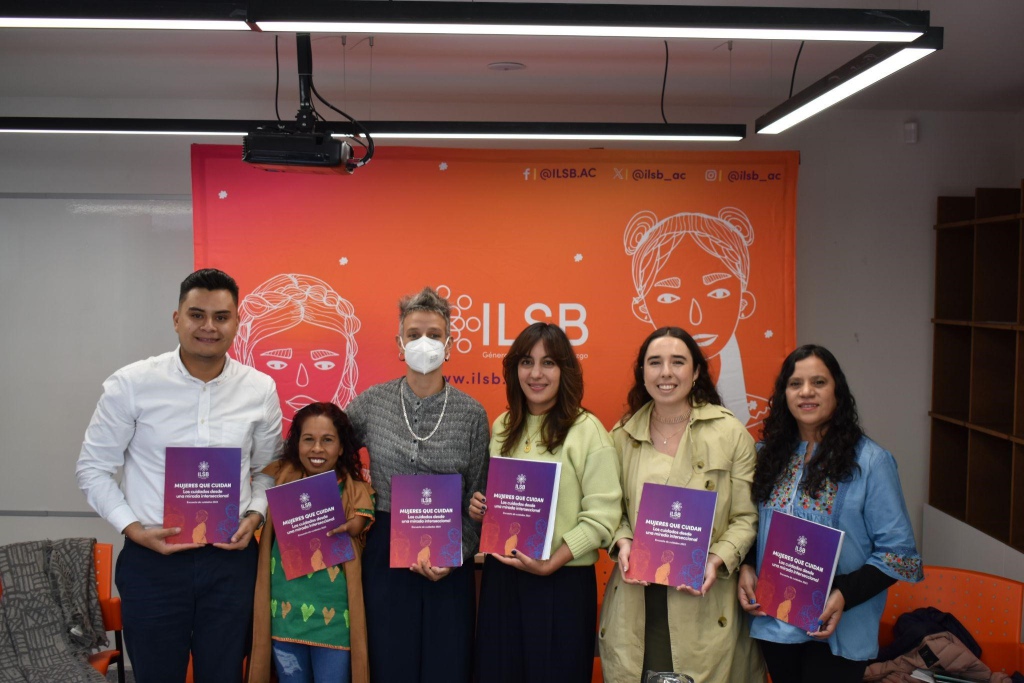
In the framework of the International Day of Care and Support, the Simone De Beauvoir Leadership Institute (ILSB) held the event “Caring is political,” in which the survey “Women who care: Caregiving from an intersectional perspective” was presented. This study…
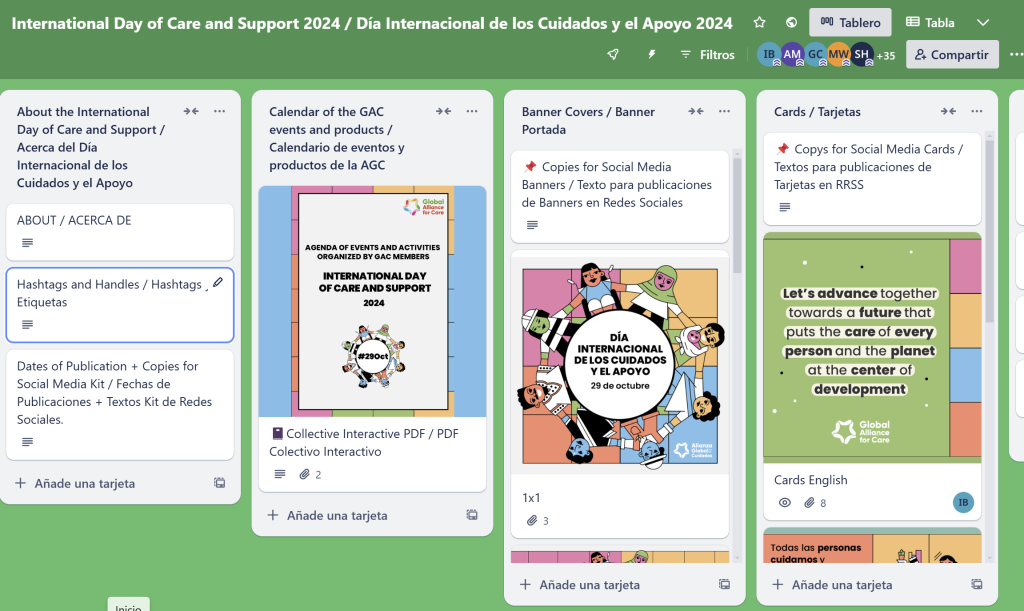
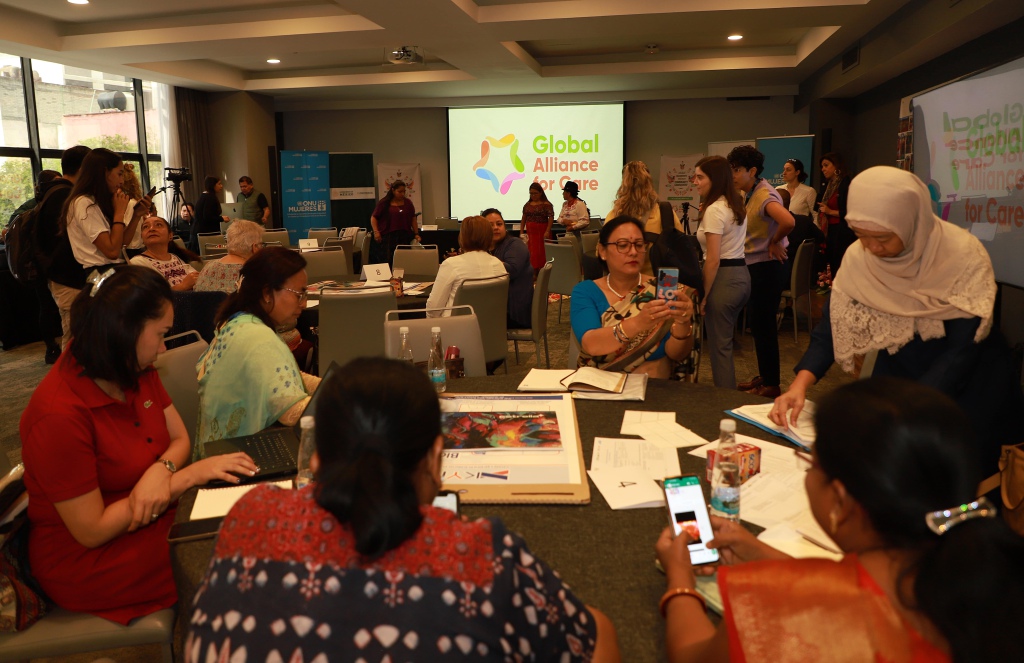
We invite you to browse the Global Alliance for Care's Trello board, where you will find all the downloadable materials to make the International Day of Care and Social Media Advocacy more visible.
Explore the GAC's Toolkit of the International Day of Care and Support, were you can find resources, and many ideas for getting involved to raise awareness of the importance of care and support and make this International Day visible in…
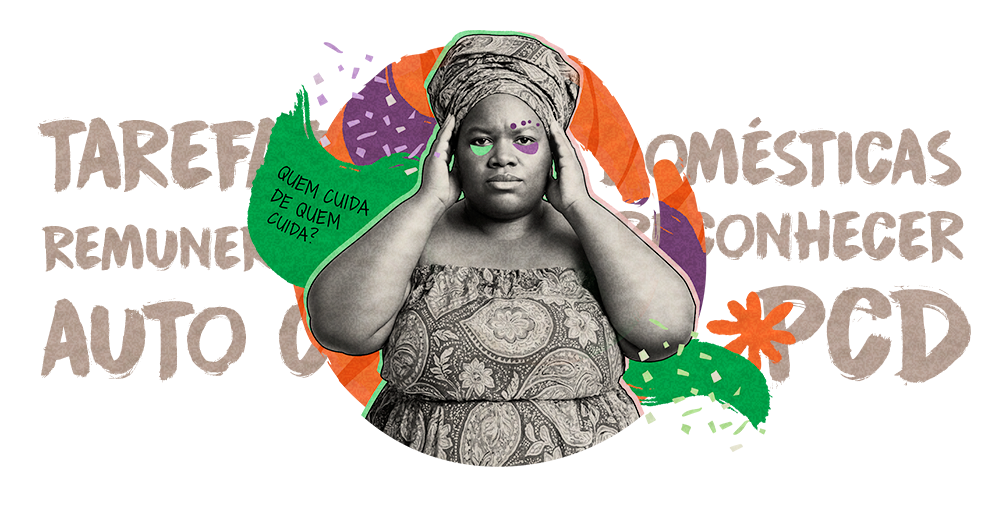
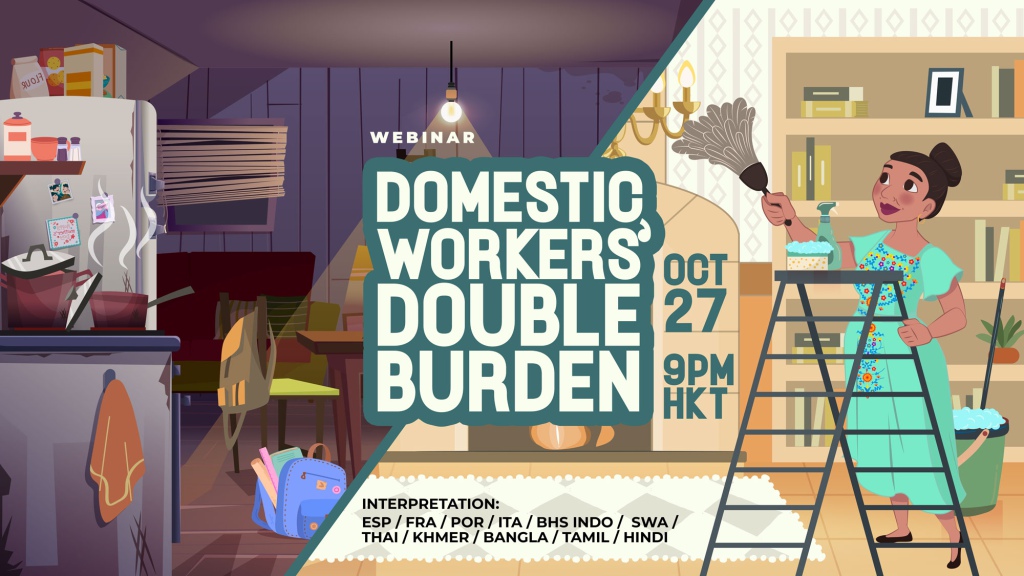
IDWF Campaign on "The double burden of domestic workers as both paid and unpaid care providers: Ensuring decent work and the right to care to build caring societies."
Domestic work is essential for the functioning of economies and societies. And domestic workers, who represent 25% of the global care workforce, should be fully recognized as workers and care providers, protected by law and in practice equally to other…
Care, which contributes to the physical and emotionalwell-being of the population, is essential work forsupporting life and the reproduction of societies. Caring“does not only consist of doing things, but also of antici-pating and preventing certain negative outcomes, whichcould have bad…
This database comprises the existing care legislation contained in the constitutional charters and other legislative instruments at the national and sub-national level of the countries of Latin America and the Caribbean. Public care policies are designed to guarantee the daily…