With your permission we measure how the site is used and show content from other services: Google Maps, YouTube, Spotify. Accept or reject all of it, or choose in your preferences. You can change this at any time from Privacy preferences at the foot of every page. Privacy policy
The EU-LAC Foundation, UN Women, and the Economic Commission for Latin America and the Caribbean (ECLAC), in partnership with the Global Alliance Care, the National Institute of Women of Mexico (INMUJERES), the United Nations Development Programme (UNDP), and the Ministry…
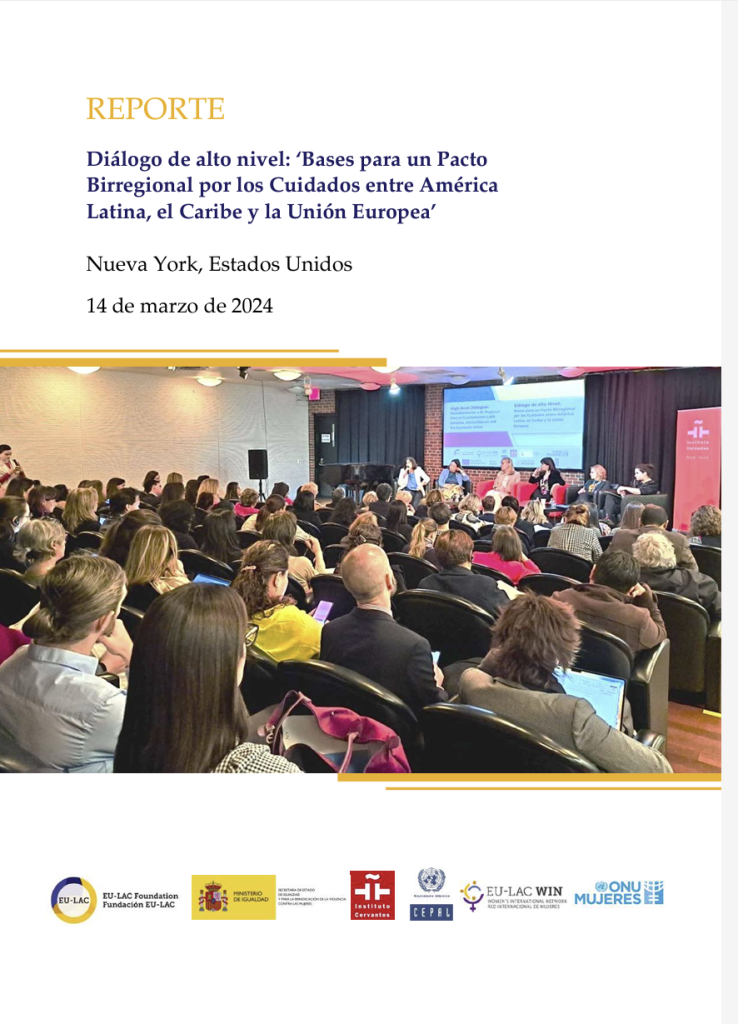
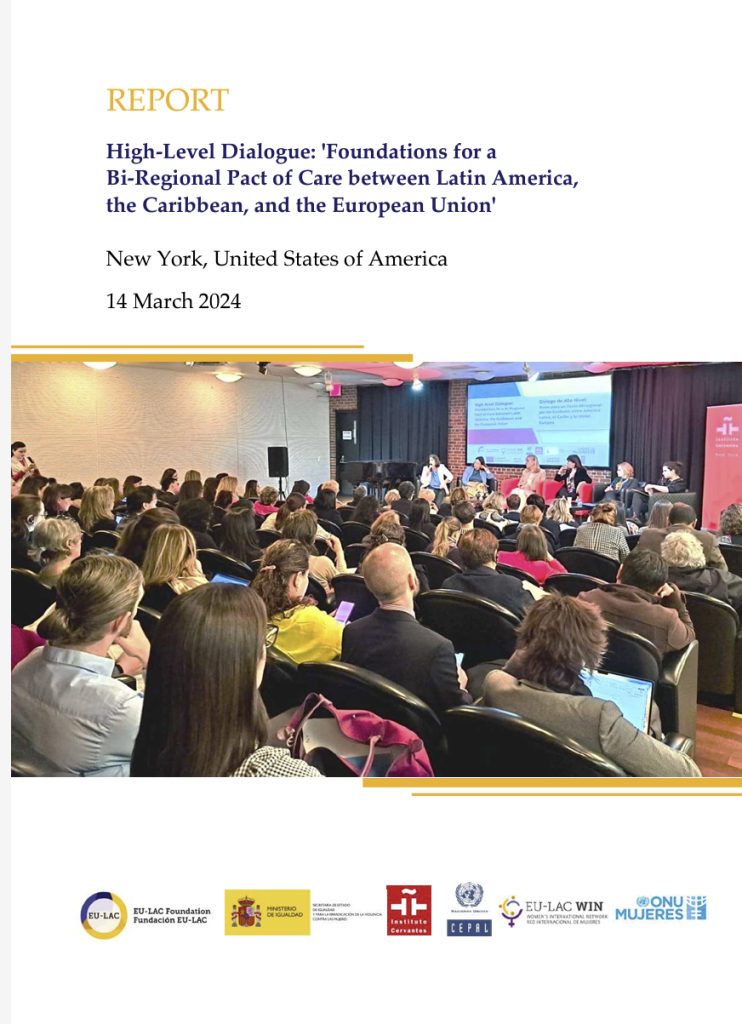
On 14th March 2024, the EU-LAC Foundation, UN Women, and the Economic Commission for Latin America and the Caribbean (ECLAC), in partnership with the Global Alliance for Care, the National Institute of Women of Mexico (INMUJERES), the United Nations Development…
To promote the care agenda, the EU-LAC Foundation, through the EU-LAC International Women’s Network, in close collaboration with UN Women for the Americas and the Caribbean, the Economic Commission for Latin America and the Caribbean (ECLAC), the Global Alliance for…
To promote the care agenda, the EU-LAC Foundation, through the EU-LAC International Women’s Network, in close collaboration with UN Women for the Americas and the Caribbean, the Economic Commission for Latin America and the Caribbean (ECLAC), the Global Alliance for…
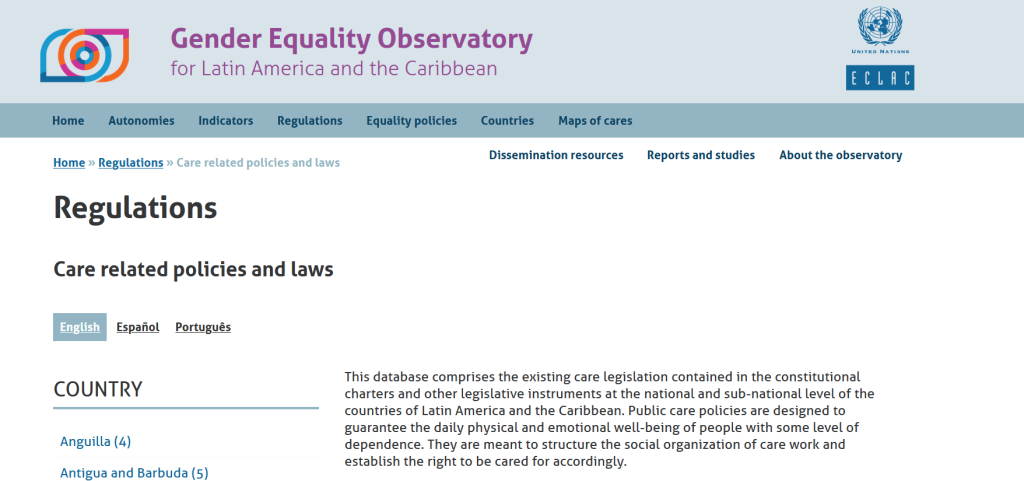
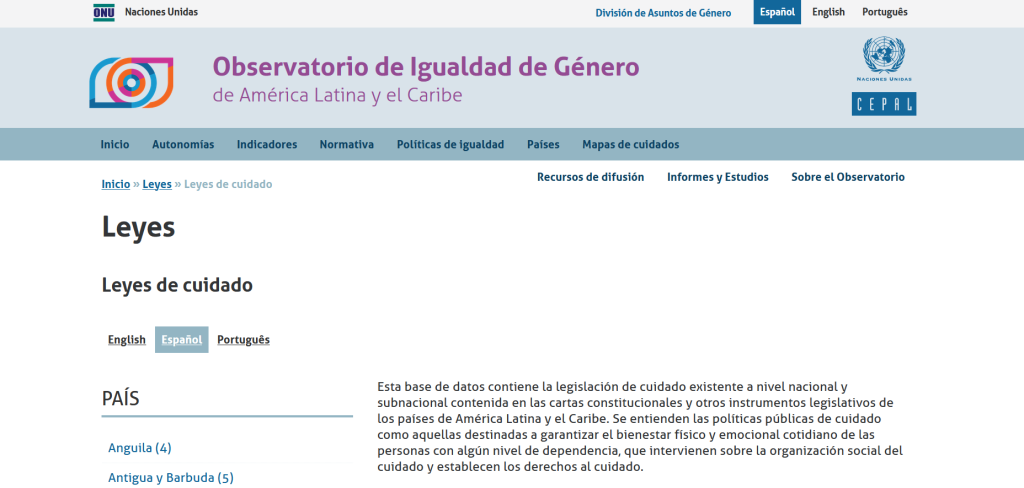
This database comprises the existing care legislation contained in the constitutional charters and other legislative instruments at the national and sub-national level of the countries of Latin America and the Caribbean. Public care policies are designed to guarantee the daily…
This database comprises the existing care legislation contained in the constitutional charters and other legislative instruments at the national and sub-national level of the countries of Latin America and the Caribbean. Public care policies are designed to guarantee the daily…
The commitments made over the last 45 years have led to the development of a robust Regional Gender Agenda in which women’s rights and gender equality are recognized as central and cross-cutting elements of all State action geared toward strengthening…
Forty-five years ago, the first Regional Conference on the Integration of Women into the Economic and Social Development of Latin America was held (Havana, 1977), as an intergovernmental platform for the region following the World Conference of the International Women’s…
Forty-five years ago, the first Regional Conference on the Integration of Women into the Economic and Social Development of Latin America was held (Havana, 1977), as an intergovernmental platform for the region following the World Conference of the International Women’s…
The commitments made over the last 45 years have led to the development of a robust Regional Gender Agenda in which women’s rights and gender equality are recognized as central and cross-cutting elements of all State action geared toward strengthening…
The Buenos Aires Commitment was adopted at the fifteenth session of the Regional Conference on Women in Latin America and the Caribbean, which was organized by the Economic Commission for Latin America and the Caribbean (ECLAC), the Regional Office for…
The commitments made over the last 45 years have led to the development of a robust Regional Gender Agenda in which women’s rights and gender equality are recognized as central and cross-cutting elements of all State action geared toward strengthening…
The commitments made over the last 45 years have led to the development of a robust Regional Gender Agenda in which women’s rights and gender equality are recognized as central and cross-cutting elements of all State action geared toward strengthening…
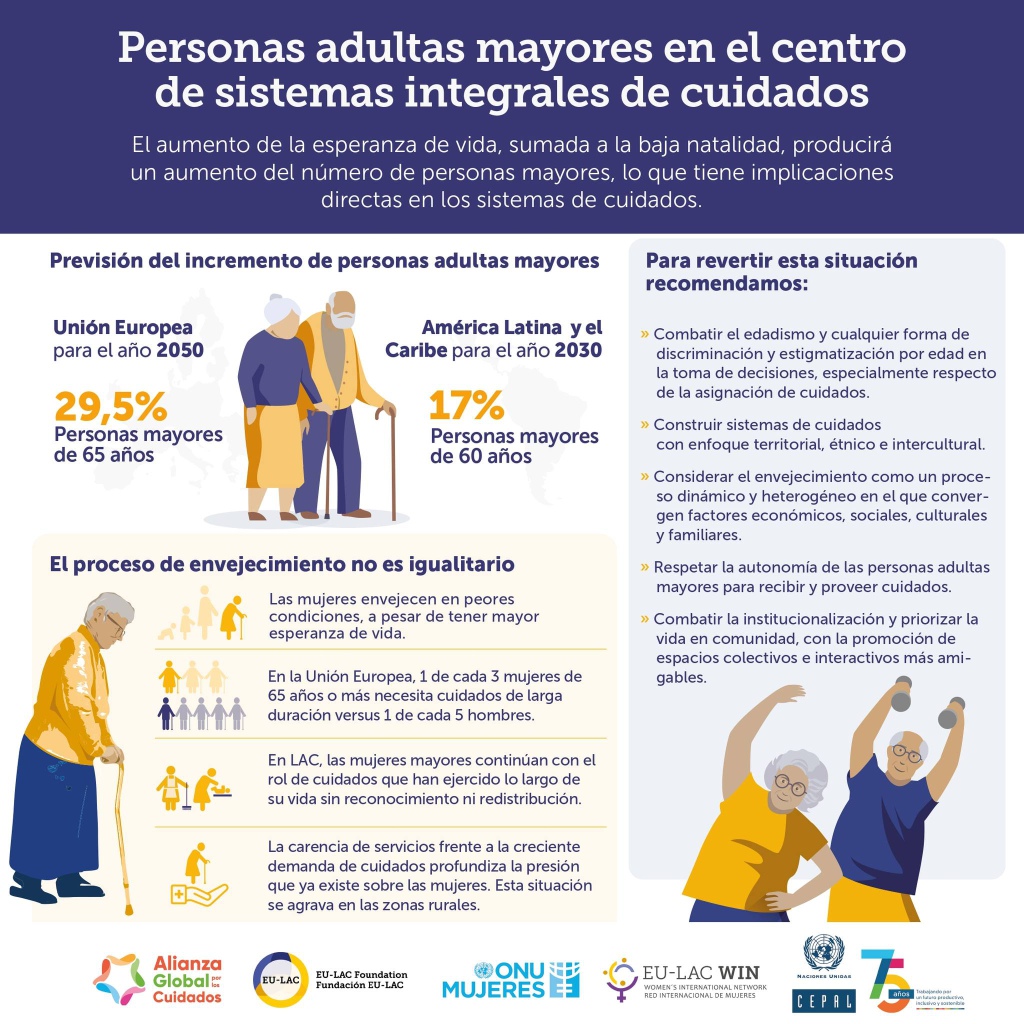
As part of the International Day of Care and Support, we remember the importance of building comprehensive age-sensitive care systems. The first infographic in a series produced along the Global Alliance for Care, EU-LAC Foundation, ONU Mujeres and CEPAL presents…
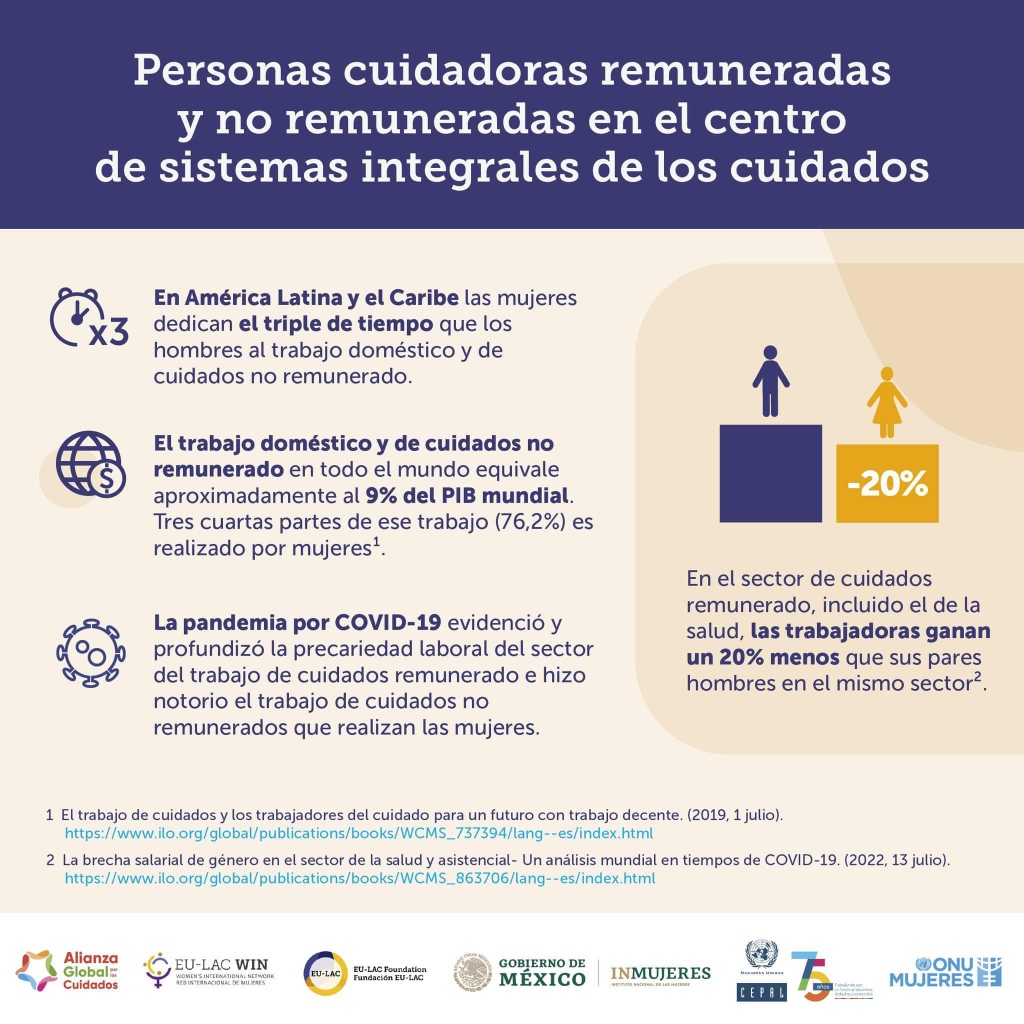
⚠️It is necessary to take a moment to reflect on the importance of the activity of care and to advocate for policies of redistribution, recognition and valorisation of those who engage in this essential task. Carers, both remunerated and non-remunerated,…