With your permission we measure how the site is used and show content from other services: Google Maps, YouTube, Spotify. Accept or reject all of it, or choose in your preferences. You can change this at any time from Privacy preferences at the foot of every page. Privacy policy
In this text, the author discusses ideas and practices embraced by feminist movements to enable women to take time for themselves, strengthen their autonomy, and promote more equitable social arrangements around care: “so that I can become a space where…
The purpose of this document is to record how theoretical discussions are complemented by care and self-care exercises addressing the themes, challenges, complexities and tensions that emerge during group conversations.
For decades, women thinkers around the world have organized, systematized and developed theories, perspectives and bodies of knowledge that challenge the ideas underpinning the exploitation and domination of living beings and the planet. Recognition is essential to building respectful relationships…
The video shows the business case for work-life balance and how enterprises can take concrete action to promote the equal sharing of care responsibilities.
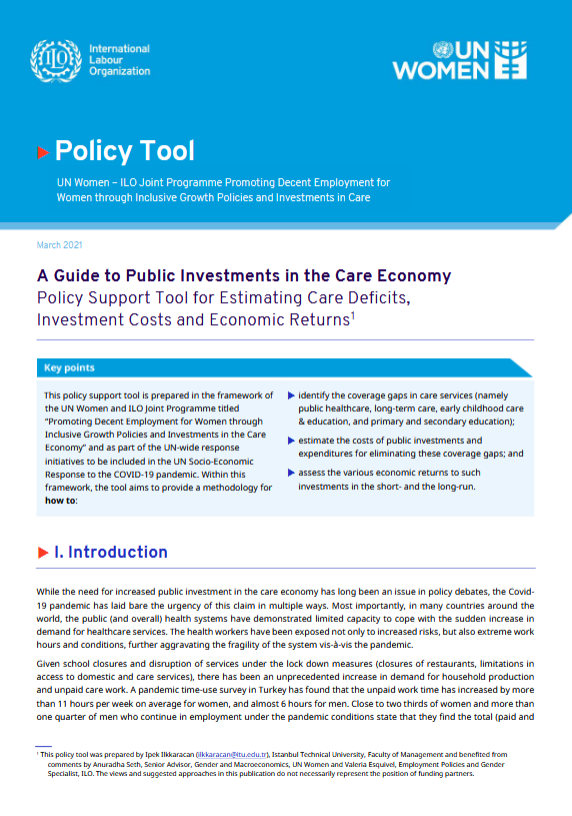
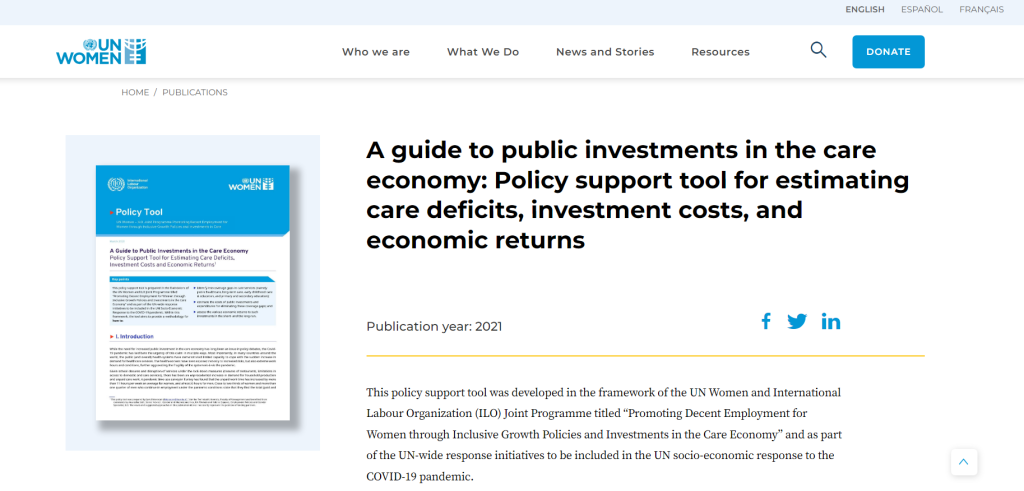
Key points: - UN Women – ILO Policy Tool 1 A Guide to Public Investments in the Care Economy.- Policy Tool March 2021 A Guide to Public Investments in the Care Economy.- Policy Support Tool for Estimating Care Deficits, Investment…
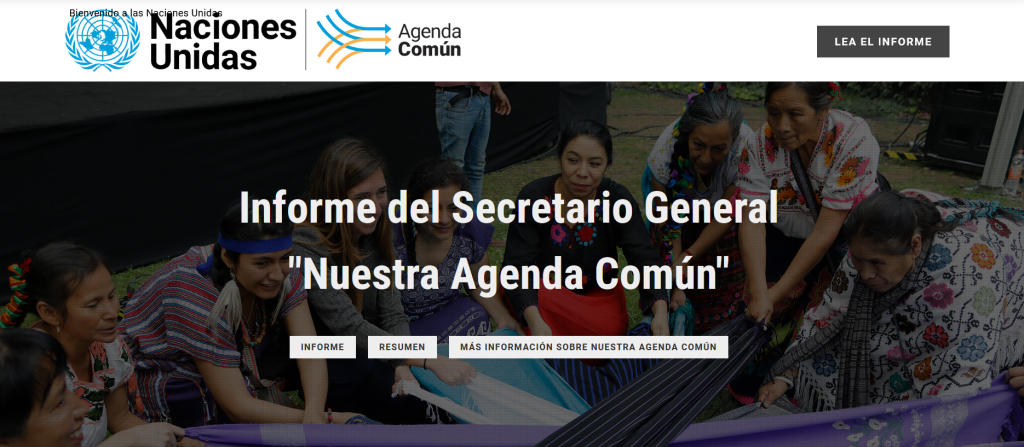
We are at an inflection point in history. The COVID-19 pandemic has served as a wake-up call and with the climate crisis now looming, the world is experiencing its biggest shared test since the Second World War.Humanity faces a stark…
The following study presents the causes, behaviors, and consequences of workplace discrimination based on pregnancy in Mexico, offering an overview of the situation in the country and a summary of official information.
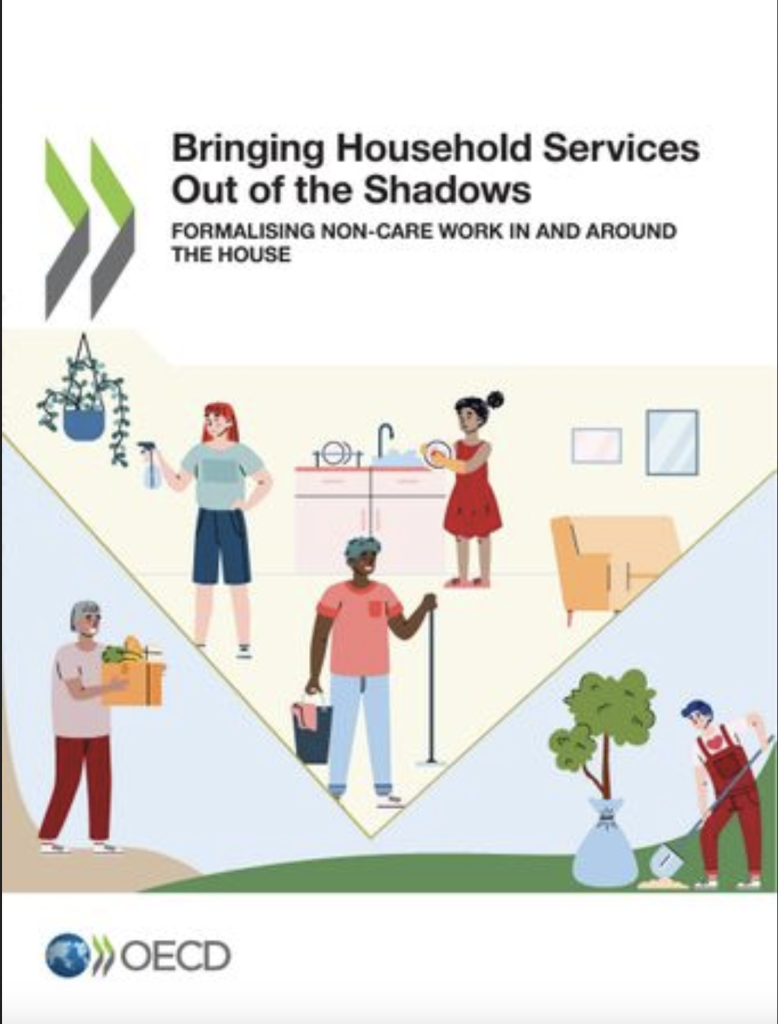
Despite years of growth in the number of women in paid work, gender roles in unpaid housework have remained remarkably rigid. Unpaid housework can be outsourced to non-care household service providers, such as cleaners or housekeepers, however, high prices, a…
In recent years, there have been ongoing efforts to understand the concept of quality in early childhood settings, and to better design policy and program initiatives that enhance quality. A growing body of evidence suggests that “process quality, that is…
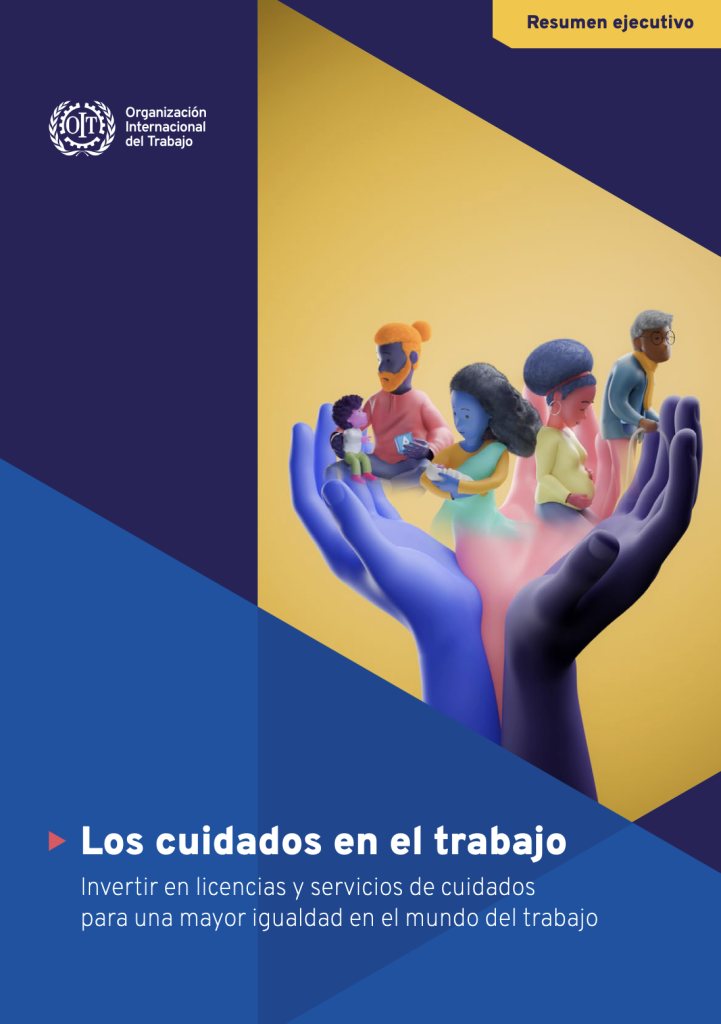
El informe ofrece una visión general mundial de las leyes y prácticas nacionales relativas a las políticas de cuidados, a saber, la protección de la maternidad, políticas sobre licencia de paternidad, parental, cuidados de larga duración y otras políticas de…
The General Conference of the International Labour Organization, Having received the proposal made by the Conference Committee on the Response to COVID-19, Considering the urgent need for action to ensure a human-centred recovery from the COVID-19 crisis that is inclusive,…
This policy support tool was developed in the framework of the UN Women and International Labour Organization (ILO) Joint Programme titled “Promoting Decent Employment for Women through Inclusive Growth Policies and Investments in the Care Economy” and as part of…
This document has been conceived to serve as a guiding framework for those involved in the development of comprehensive national care systems. It addresses key questions about why to invest in care, its importance and benefits for the advancement of…
Estimates of the amount of unpaid care work performed by women and men now garner international attention, but while analysis of existing surveys has yielded important insights, it has also revealed significant limitations. Because unpaid care work has not traditionally…
As with many areas of our societies and economies, COVID-19 exposed andexacerbated existing vulnerabilities in nursing homes. Long plagued withcombined crises including under-funding and staffing shortages, nursing homesbecame the epicentre of the global pandemic. As of mid-October, estimatesfrom 21 countries…
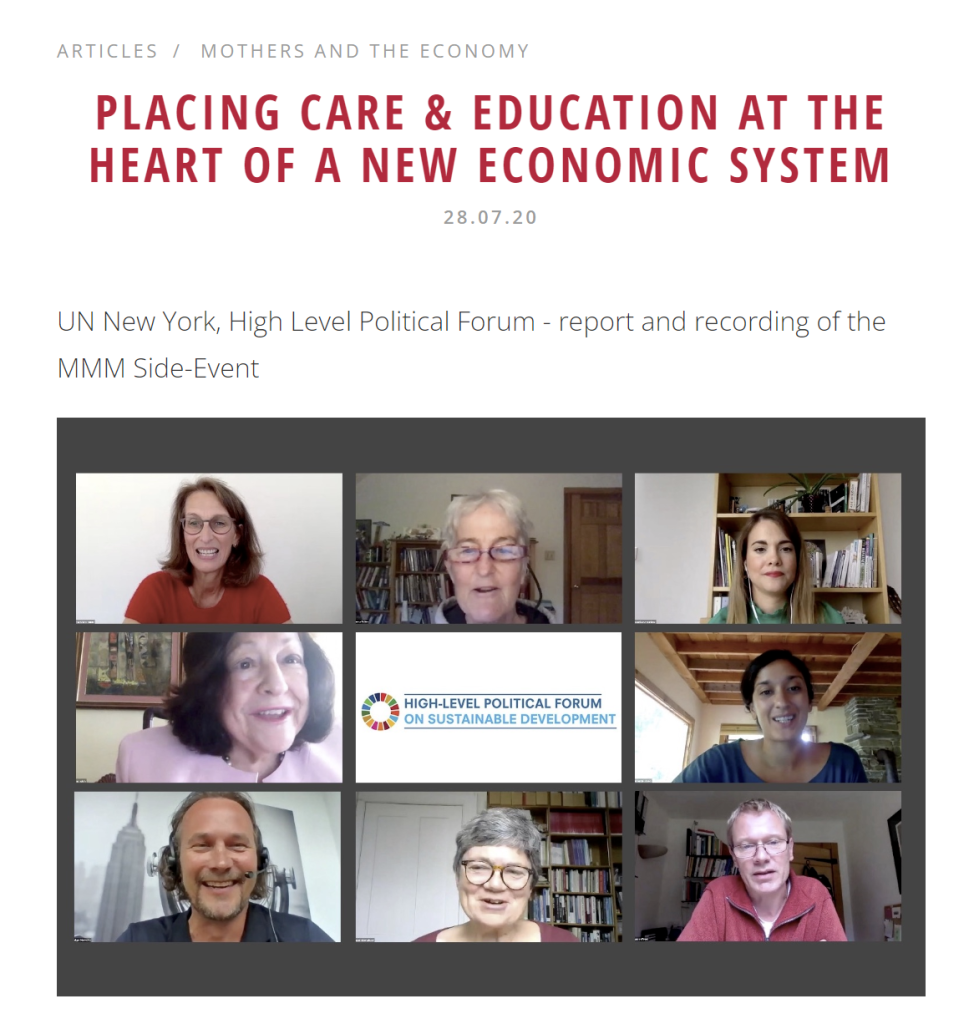
On 16 July 2020, MMM organized a webinar on ‘Care and education – Cornerstones of just and sustainable economies’ to discuss the economics of care and education. This HLPF side-event aimed at contributing to the current discussions on ‘building back…
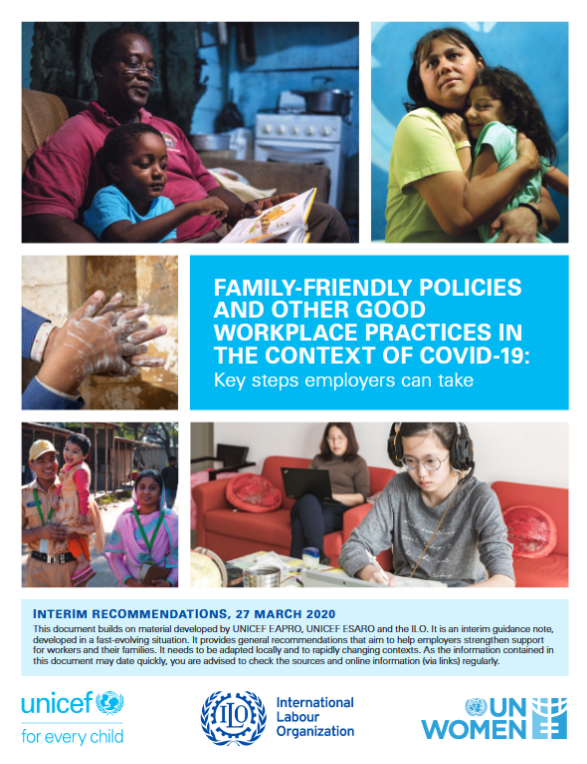
The consequences of the coronavirus disease (COVID-19) outbreak are unprecedented and felt around the world. The pandemic is heavily affecting labour markets and economies, including global supply chains, leading to widespread business disruptions. With many businesses struggling to survive, loss…
The document focuses on the areas of decision-making, security and violence against women, women's care and economic rights, and women's health, with special emphasis on sexual and reproductive health. It also refers to groups that were vulnerable before the emergency…
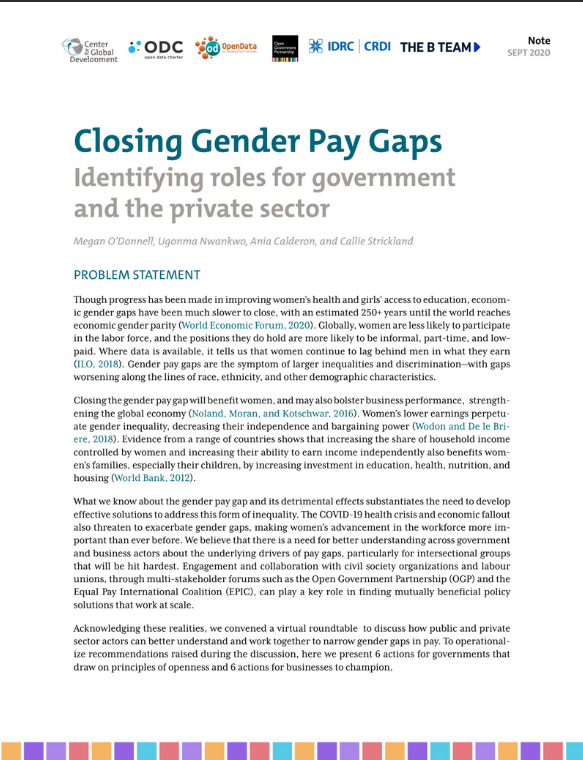
We convened a virtual roundtable to discuss how public and private sector actors can better understand and work together to narrow gender gaps in pay. To operationalize recommendations raised during the discussion, here we present 6 actions for governments that…