With your permission we measure how the site is used and show content from other services: Google Maps, YouTube, Spotify. Accept or reject all of it, or choose in your preferences. You can change this at any time from Privacy preferences at the foot of every page. Privacy policy
Bahia Cuida (Bahia Cares Observatory) is a pioneering care observatory developed by Instituto Foz in partnership with local organizations to support the implementation of care policies in the state of Bahia, Brazil. The platform integrates and organizes data on care…
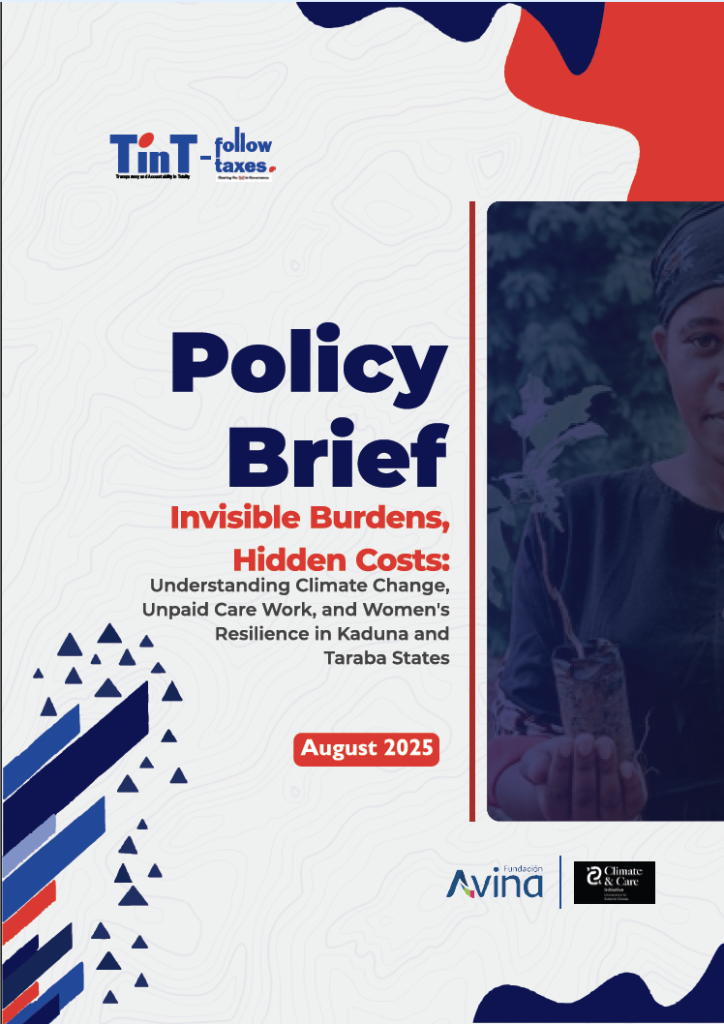
This brief calls for urgent action to integrate care work into climate adaptation policies, backed by the Four R Lens (Recognize, Reduce, Redistribute, Represent). Policy priorities include investment in clean energy and water systems, enforcement of environmental laws paired with…
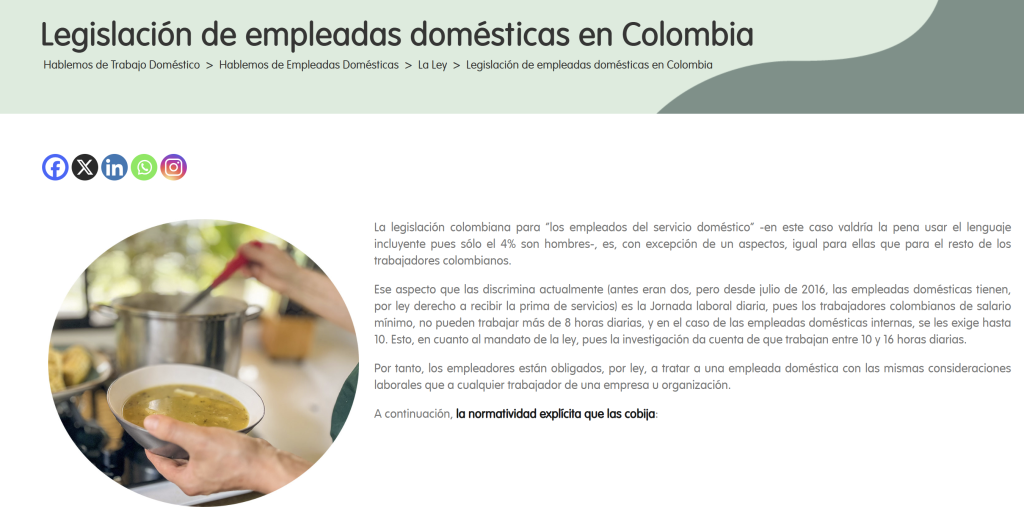
Colombian legislation for “domestic service employees” - in this case it would be worth using inclusive language as only 4% are men - is, with the exception of one aspect, the same for women as for the rest of Colombian…
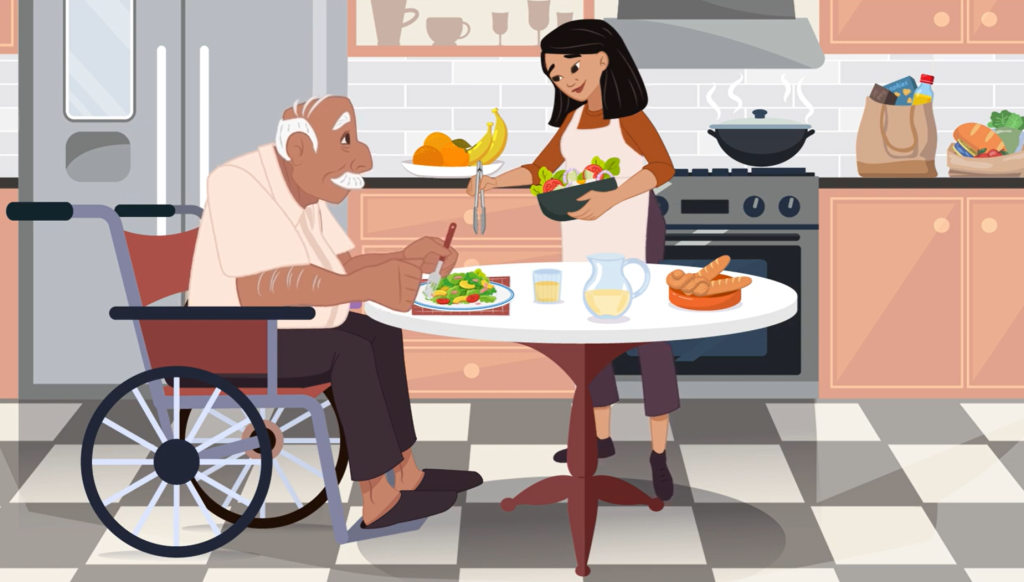
From the moment we wake up until we go to bed, we carry out many essential tasks for ourselves and our families. From preparing meals and washing dishes to coordinating schedules, taking children or older adults to medical appointments, and…
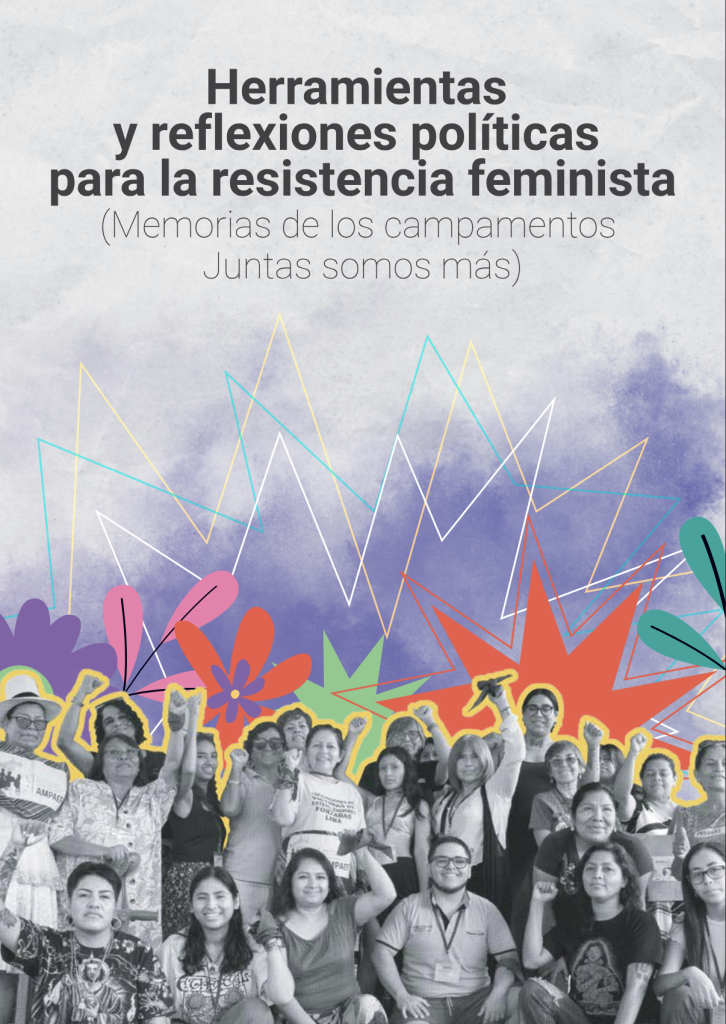
On International Human Rights Day, Rsmlac presented the document Tools and Political Reflections for Feminist Resistance, memoirs of the camps held collectively with the organizations Sendas (Ecuador), Odisex (Peru), Cipaf (Dominican Republic), and Las Dignas (El Salvador) as part of…
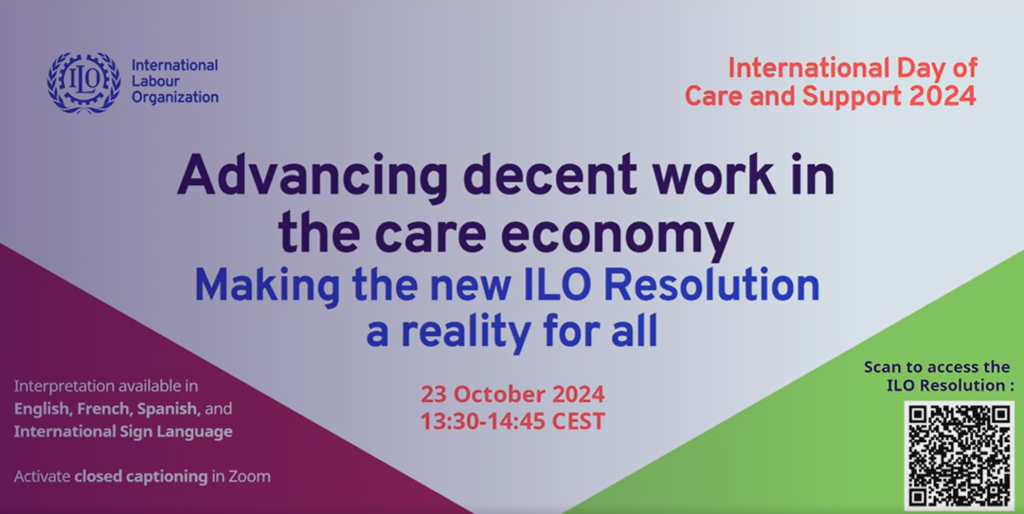
This webinar, organized by the ILO, featured tripartite constituents (Government, employers’ and workers’ organizations) and Ms. Manuela Tomei – who shared their insights on implementing the Resolution concerning decent work and the care economy. It was an engaging discussion on…
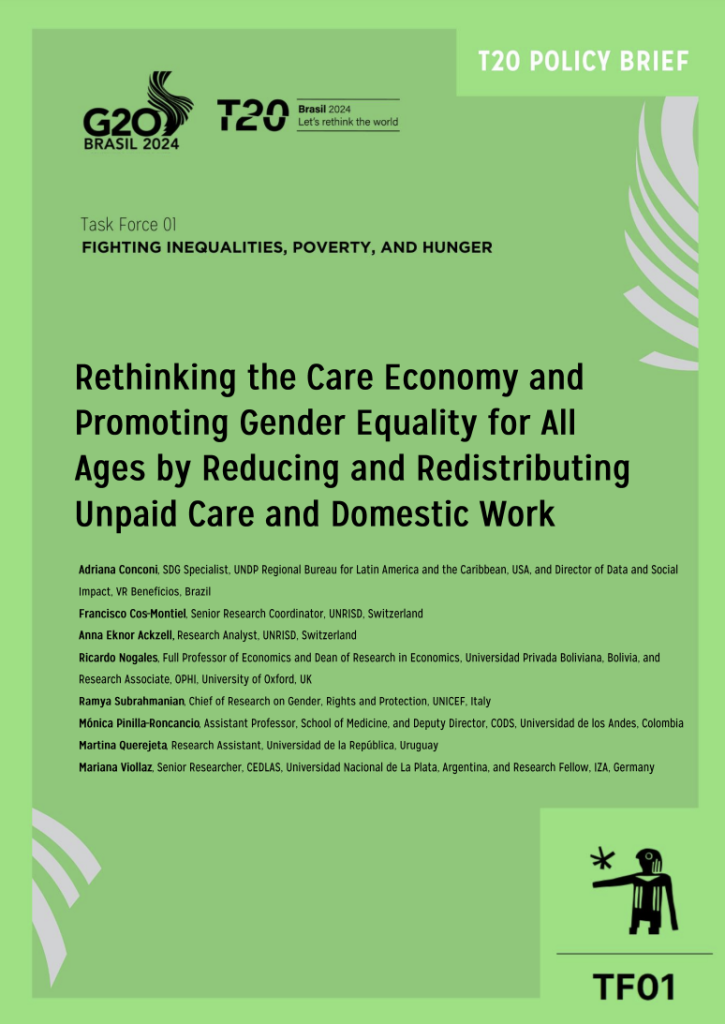
Published by the T20 to inform the G20 in Brazil (2024), this policy brief, Rethinking the Care Economy and Promoting Gender Equality for All Ages by Reducing and Redistributing Unpaid Care and Domestic Work, outlines essential strategies for addressing unpaid…
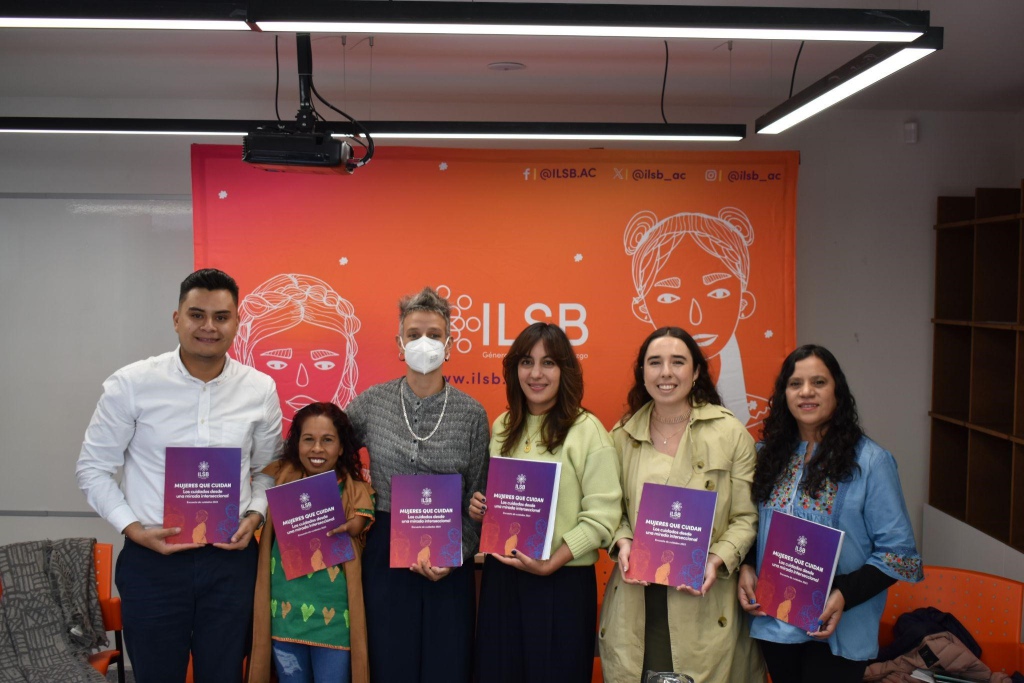
In the framework of the International Day of Care and Support, the Simone De Beauvoir Leadership Institute (ILSB) held the event “Caring is political,” in which the survey “Women who care: Caregiving from an intersectional perspective” was presented. This study…
Communication campaign with a feminist approach, through three animated videos produced by Equidad, linking the care agenda with other agendas such as labor rights, climate and economic justice. The objective of the campaign is to trigger reflections on the sustainability…
As Care Month comes to a close, we reaffirm our commitment to fighting for care work to be valued as the vital work it is, and for every domestic worker to be treated with dignity. Join us in building a…
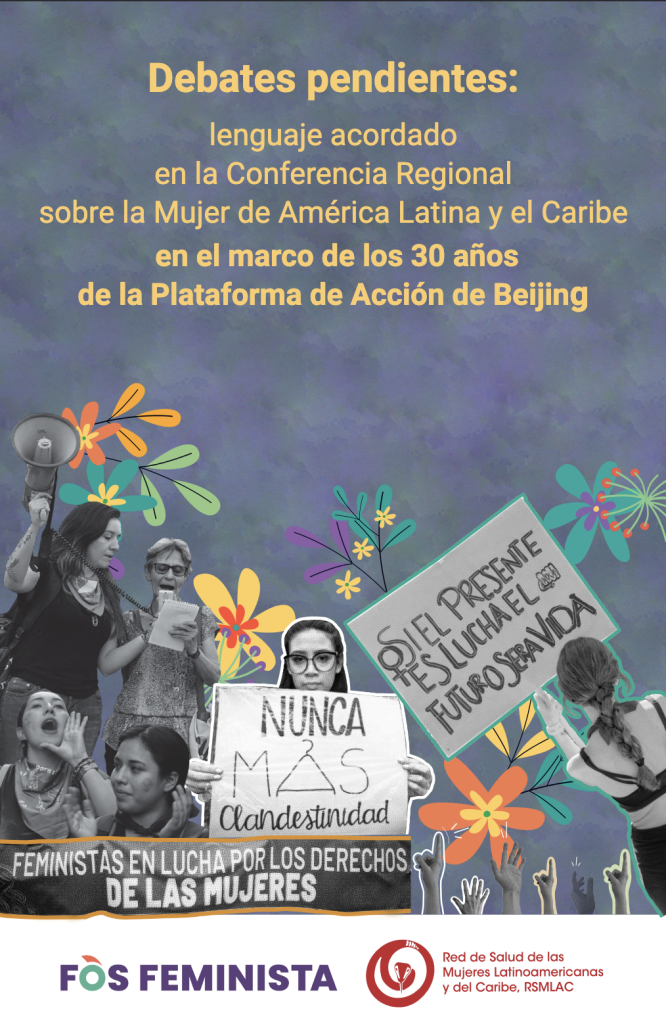
As part of our monitoring work for multilevel advocacy, we produced the document Pending Debates: Language Agreed Upon at the Regional Conference on Women in Latin America and the Caribbean in the Context of the 30th Anniversary of the Beijing…
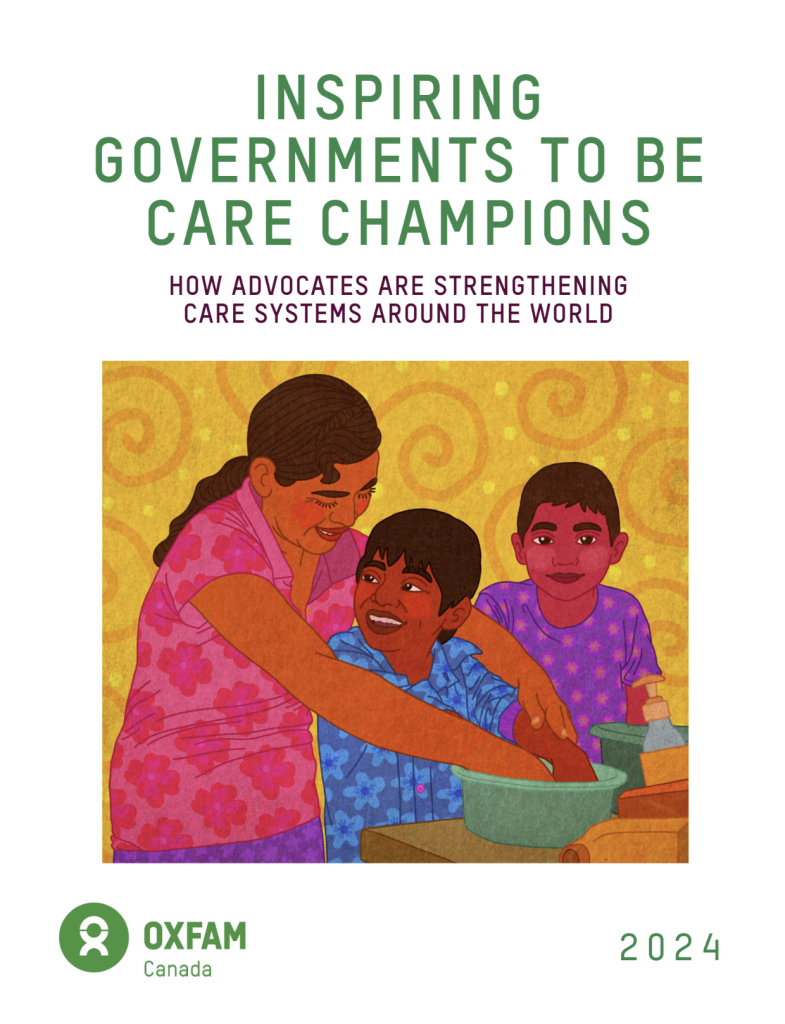
The report, Inspiring Governments to be Care Champions, documents six case studies from Canada, Mexico, Kenya, Zimbabwe, Philippines and Uruguay of care advocates pushing their governments to champion care rights and provisions in public policies. It’s a summary of the…
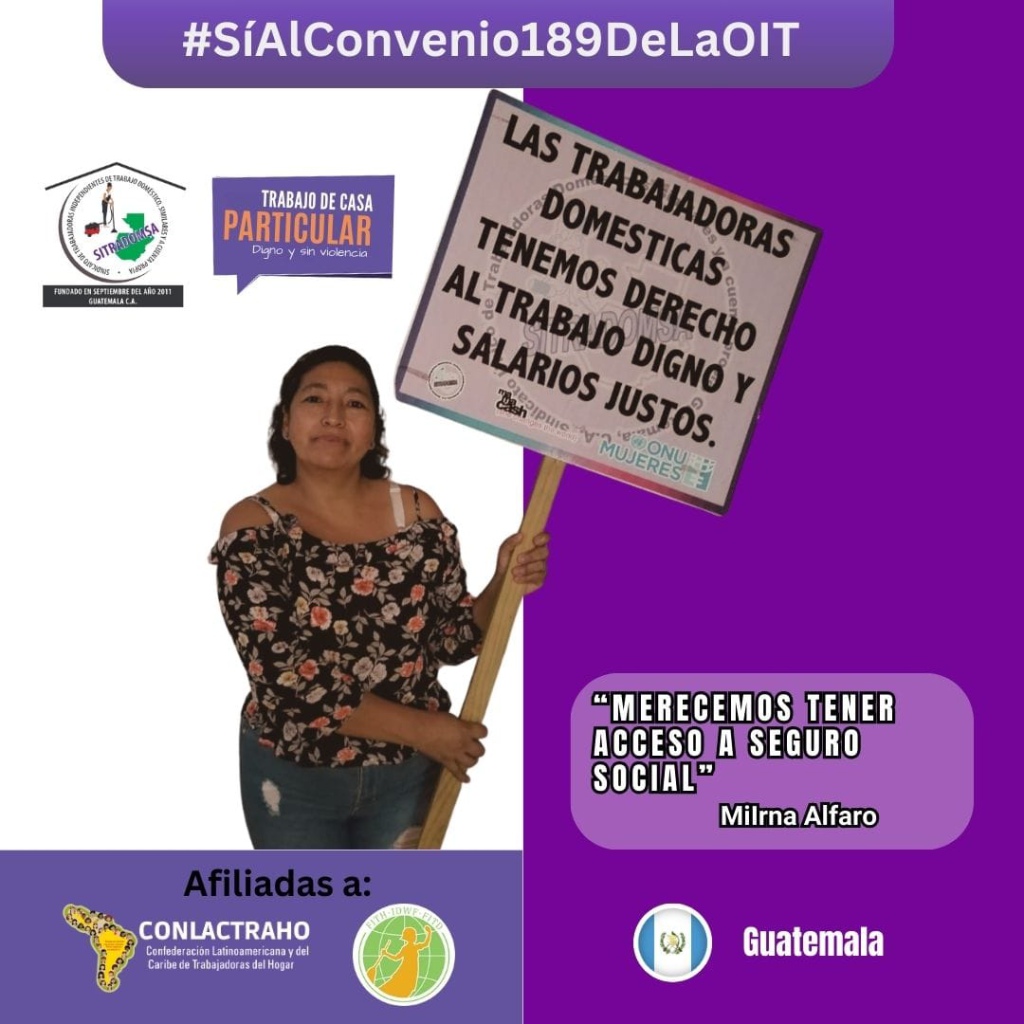
The Union of Domestic, Similar, and Self-Employed Workers of Guatemala (SITRADOMSA) launched the campaign “The Super 189 Be my Hero and Be My Heroine”, with the aim of getting the Congress of that country to approve the ratification of ILO…
In June 2024, the ILO adopted the ‘5R’ framework for decent work in care, which includes recognising, reducing, redistributing unpaid care work, and rewarding and representing paid care workers. While the first three Rs are established, focusing on reward and…