With your permission we measure how the site is used and show content from other services: Google Maps, YouTube, Spotify. Accept or reject all of it, or choose in your preferences. You can change this at any time from Privacy preferences at the foot of every page. Privacy policy
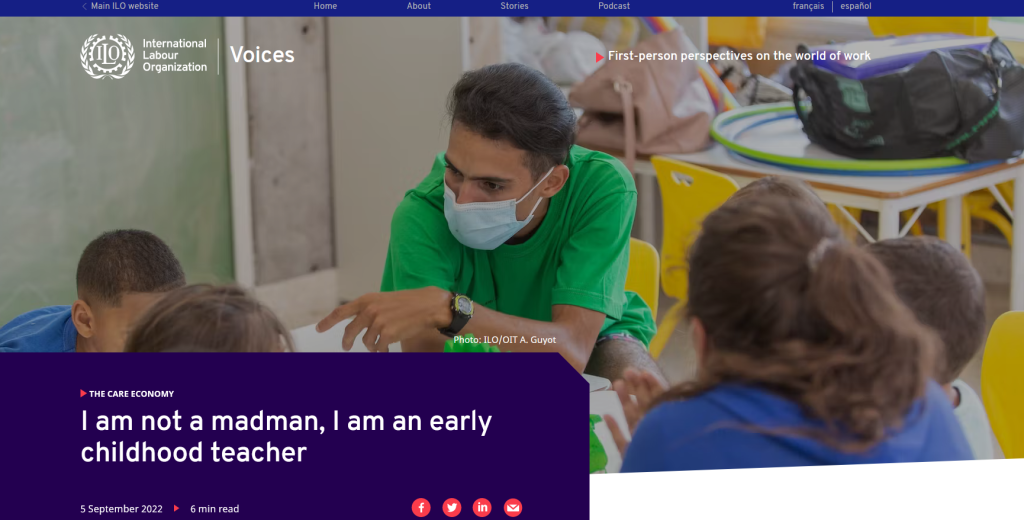
Every quality management and regulation system for the care of dependent persons defines criteria relating to the professional training of caregivers: content of training curricula, minimum qualification levels for access to certain occupations, duration of programs and hours of practice,…
The objective of this article is to provide elements for the analysis and discussion of care work and position it as a fundamental aspect of the government agenda. In this regard, we also aim to explain the model on which…
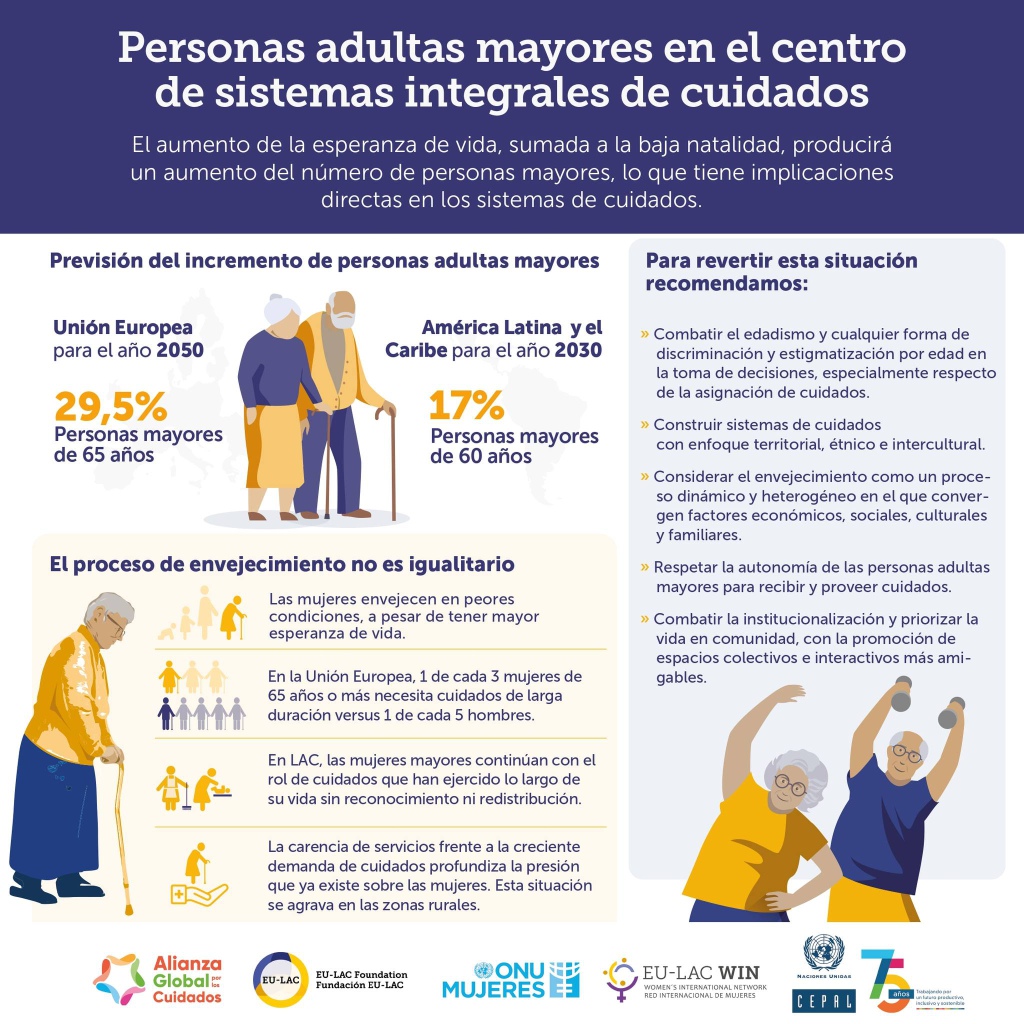
As part of the International Day of Care and Support, we remember the importance of building comprehensive age-sensitive care systems. The first infographic in a series produced along the Global Alliance for Care, EU-LAC Foundation, ONU Mujeres and CEPAL presents…
This policy brief examines the low rate of female labour force participation in Asia and the Pacific and its correlation with persistent inequalities in the distribution of care responsibilities between men and women as well as the society and the…
The multiple crises of recent years have shown that the current development model is unsustainable and fails to address the structural gaps that affect the vast majority of the population of Latin America and the Caribbean.Against this backdrop, a comprehensive…
In Latin America and the Caribbean, care has gradually been placed at the centre of public agendas, albeit unevenly, as a result of growing political commitments, as well as the work of women’s movements and feminist economic studies. These contributions…
In Latin America and the Caribbean, care has gradually been placed at the centre of public agendas, albeit unevenly, as a result of growing political commitments, as well as the work of women’s movements and feminist economic studies. These contributions…
Mainstreaming the gender perspective in national statistical systems makes it possible to produce information that reflects the circumstances of women and men in all their diversity, and thus to shed light on inequalities in different aspects of life. The Regional…
This document, from the diversity of voices of groups, organizations, NGOs and networks of women and feminists in the Region, presents the priorities and recommendations that we consider necessary and urgent to advance in the achievement of gender equality, empowerment…
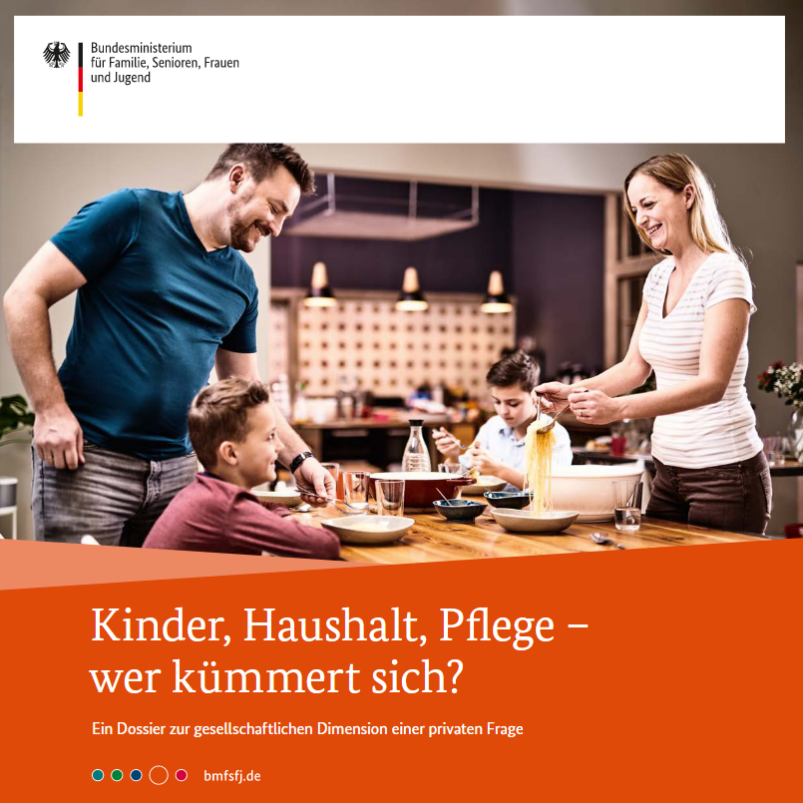
The dossier looks at the distribution of unpaid care work between women and men and examines why women spend more time than men on household management, caring for and looking after children and adults, as well as on voluntary work…
The study of pensions systems from a gender perspective involves addressing an issue of great relevance in contributing to achieving equality between men and women in the region. Women face multiple and diverse inequalities throughout the life cycle. It should…
This meeting was held on 26 July 2022 and focused on formulating evidence-based policies to recognise care work.With speakers: Neeraja Penumetcha, Senior Manager of Programs & Operations at Data2X, Shelby Bourgault, Research Associate at the Center for Global Development and…
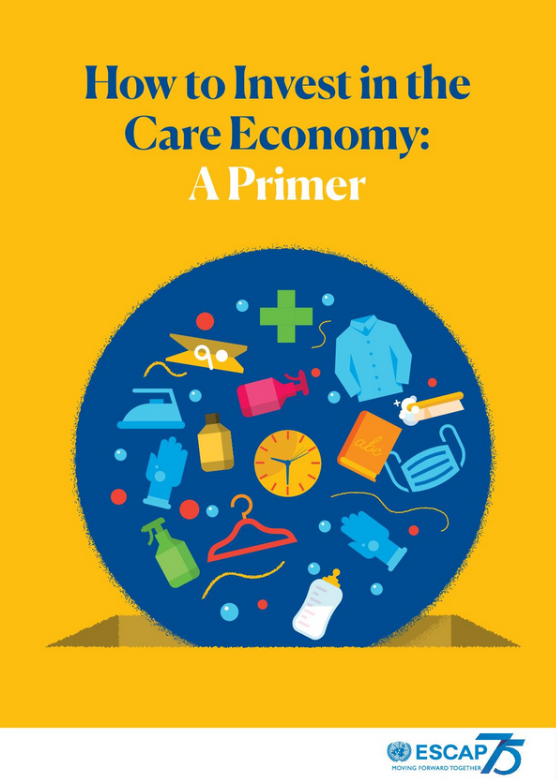
This primer is designed to support policymakers and government officials in their efforts to achieve Sustainable Development Goal 5 on gender equality and empowerment of women in their countries. It lays out the basic concepts relating to what is called…
Labour shortages and high labour turnover are not a new or isolated problem brought on by the Covid-19 pandemic, but constitute a long-standing and burning issue in the long-term care sector. In this report, the authors outline the key issues…
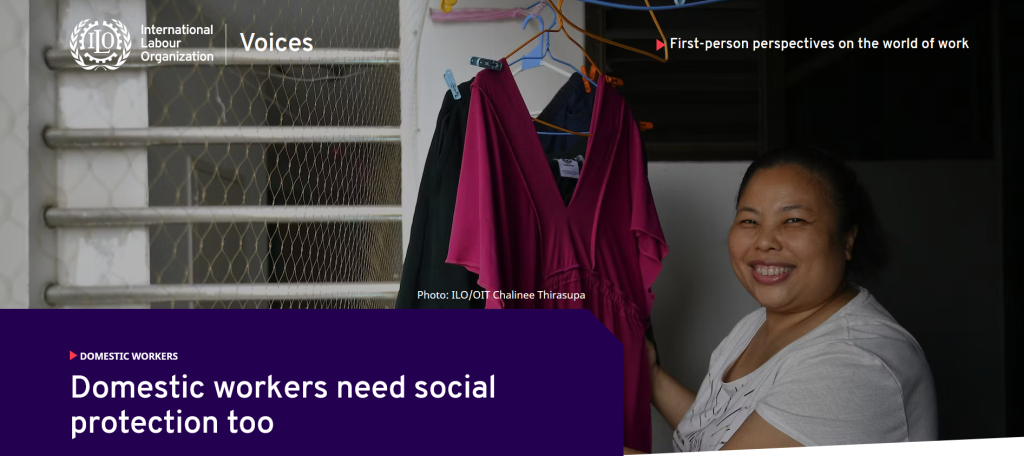
My name is Champa. I grew up in a village in Myanmar. When I was five years old my father died. I am the youngest of nine children, and as a daughter, I was the one who had to help…
Globally, unpaid care work is a key determinant of whether women enter and remain in the labour market, and of the type and quality of their employment. Care work is usually categorized into direct care (personally caring for an adult…