With your permission we measure how the site is used and show content from other services: Google Maps, YouTube, Spotify. Accept or reject all of it, or choose in your preferences. You can change this at any time from Privacy preferences at the foot of every page. Privacy policy
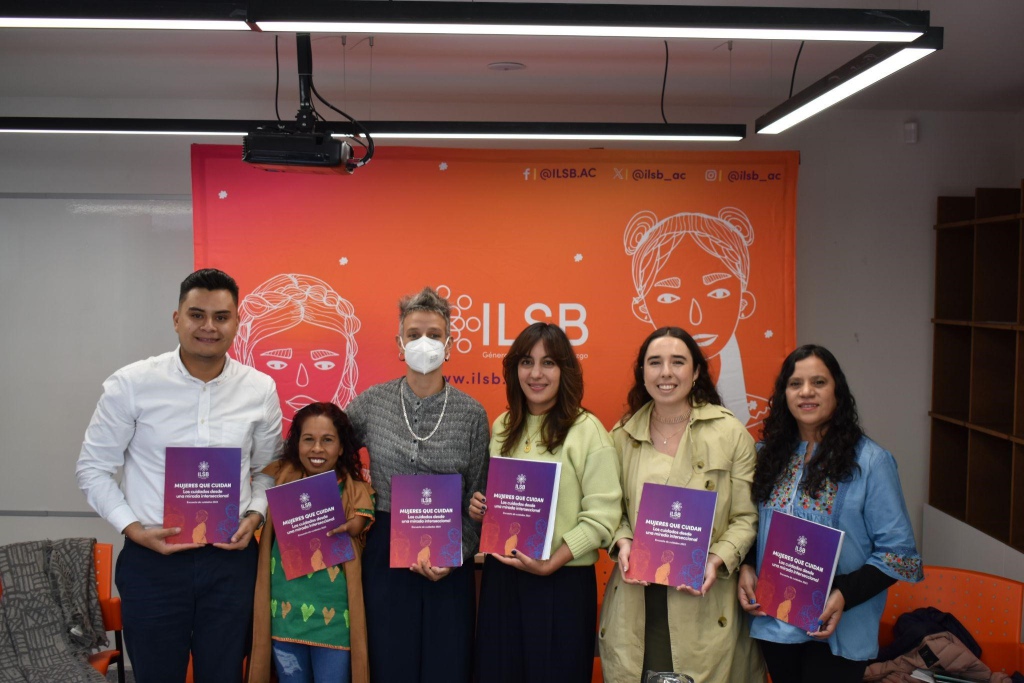
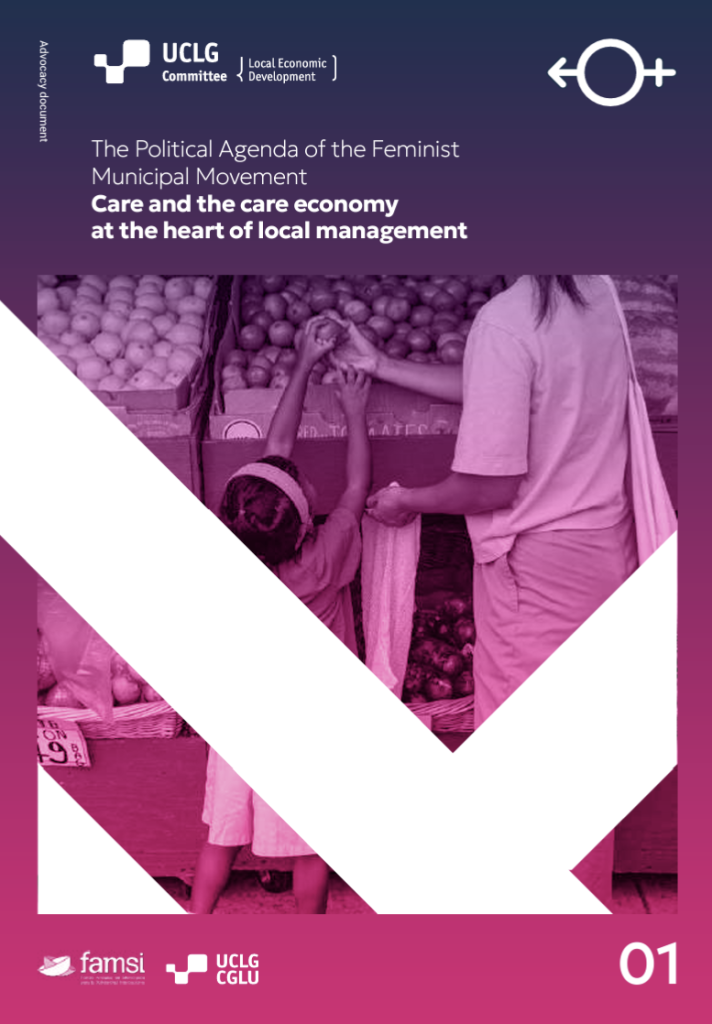
In the framework of the International Day of Care and Support, the Simone De Beauvoir Leadership Institute (ILSB) held the event “Caring is political,” in which the survey “Women who care: Caregiving from an intersectional perspective” was presented. This study…
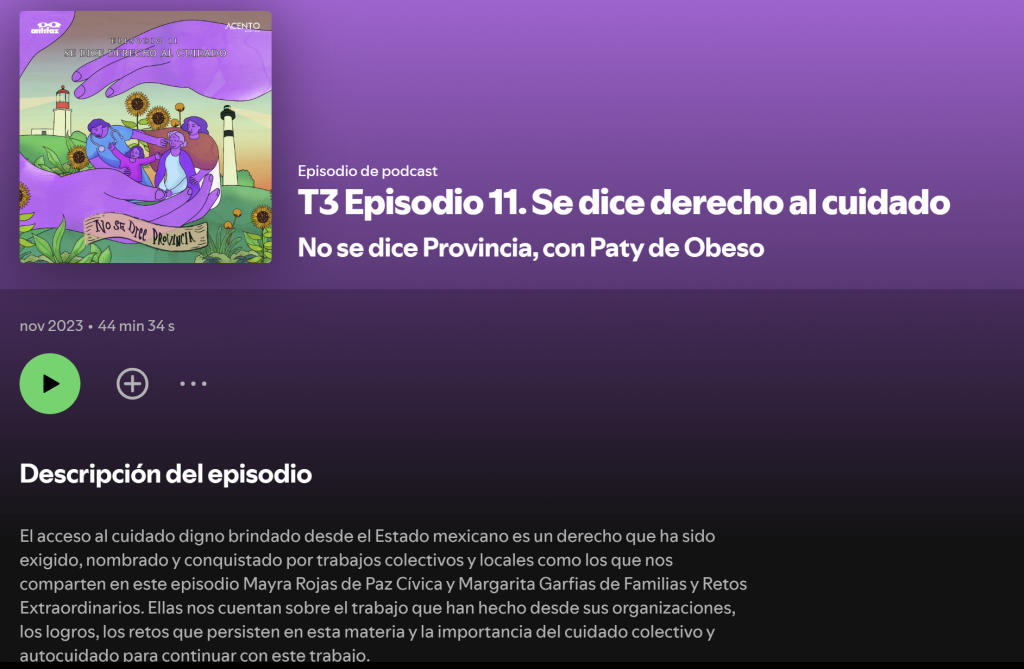
Access to dignified care provided by the Mexican State is a right that has been demanded, named and conquered by collective and local works such as those shared in this episode by Mayra Rojas from Paz Cívica and Margarita Garfias…
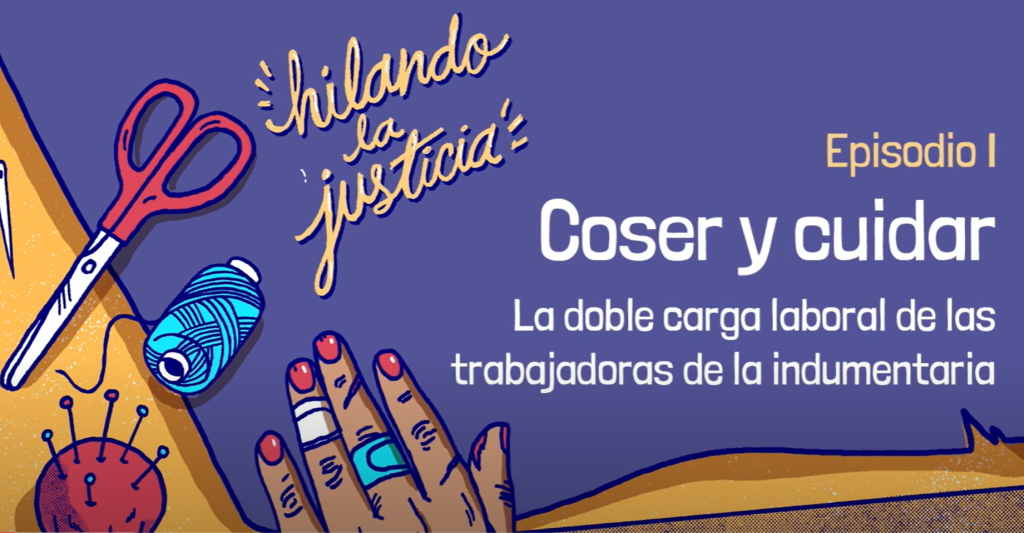
Communication campaign with a feminist approach, through three animated videos produced by Equidad, linking the care agenda with other agendas such as labor rights, climate and economic justice. The objective of the campaign is to trigger reflections on the sustainability…
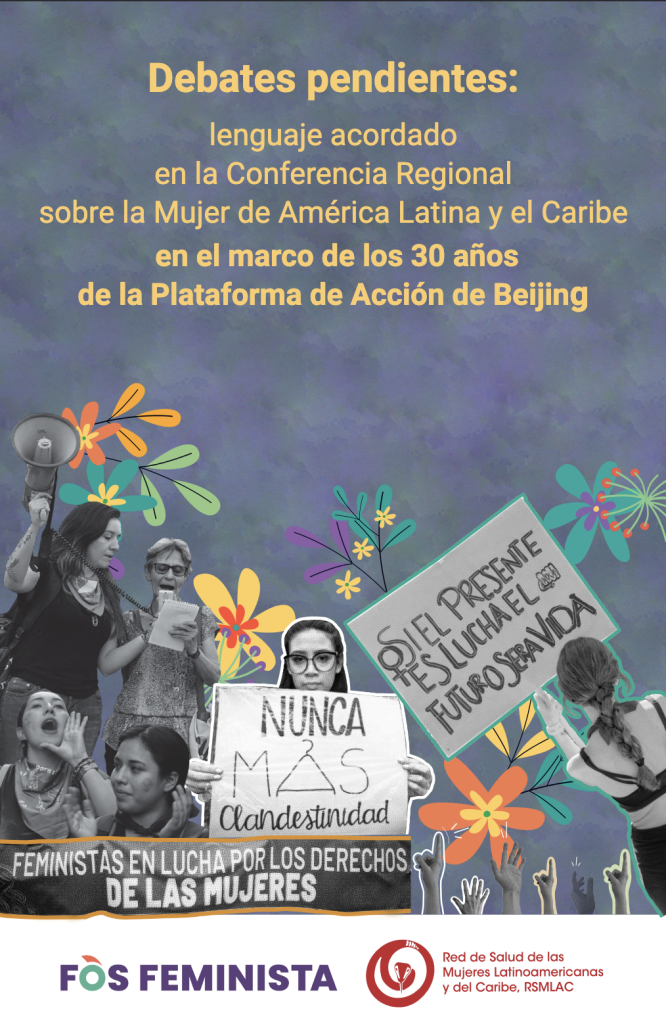
As part of our monitoring work for multilevel advocacy, we produced the document Pending Debates: Language Agreed Upon at the Regional Conference on Women in Latin America and the Caribbean in the Context of the 30th Anniversary of the Beijing…
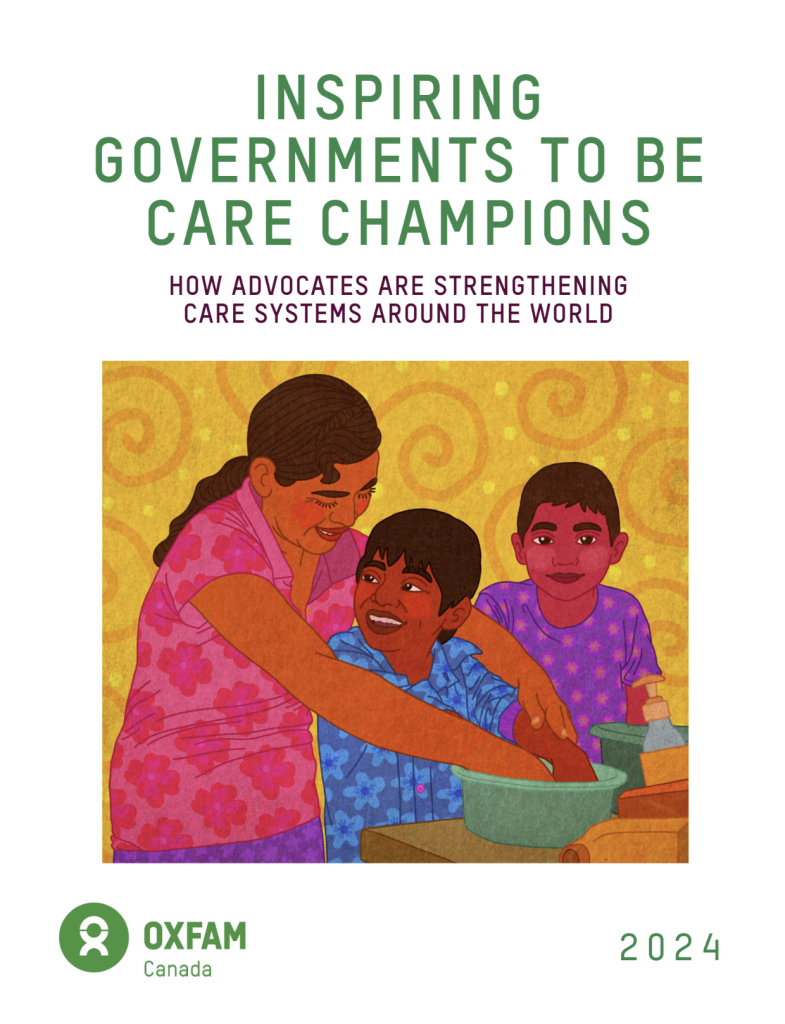
The report, Inspiring Governments to be Care Champions, documents six case studies from Canada, Mexico, Kenya, Zimbabwe, Philippines and Uruguay of care advocates pushing their governments to champion care rights and provisions in public policies. It’s a summary of the…
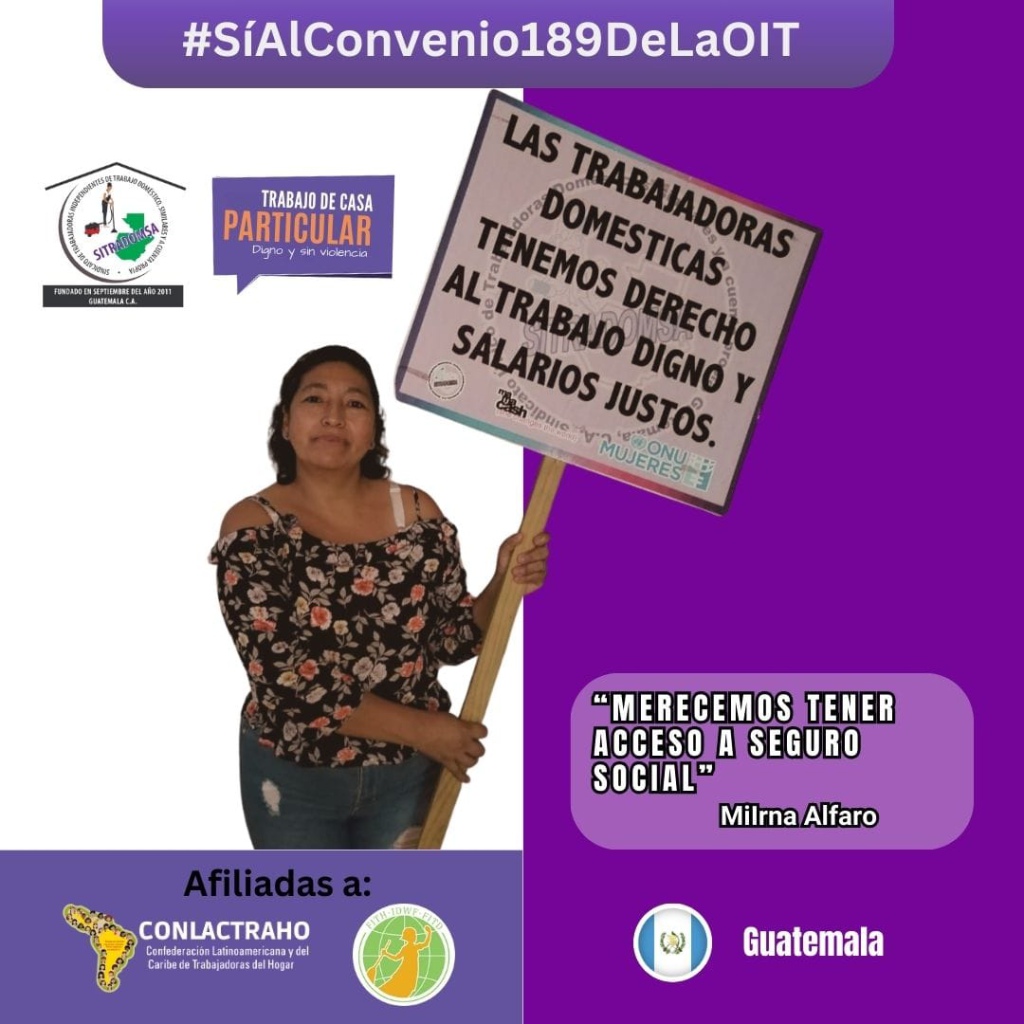
The Union of Domestic, Similar, and Self-Employed Workers of Guatemala (SITRADOMSA) launched the campaign “The Super 189 Be my Hero and Be My Heroine”, with the aim of getting the Congress of that country to approve the ratification of ILO…
With the aim of contributing to a better understanding of this phenomenon in Argentina and making it more visible, ELA and UNICEF have developed this qualitative research. Through the voices of adolescents, the study sheds light on how they take…
With the aim of contributing to a better understanding of this phenomenon in Argentina and making it more visible, ELA and UNICEF have developed this qualitative research. Through the voices of adolescents, the study sheds light on how they take…
The contexts and experiences in the implementation of care policies in Latin America are diverse; however, a comparative analysis makes it possible to identify social practices and cultural patterns that permeate and sustain the sexual division of labor. In this…
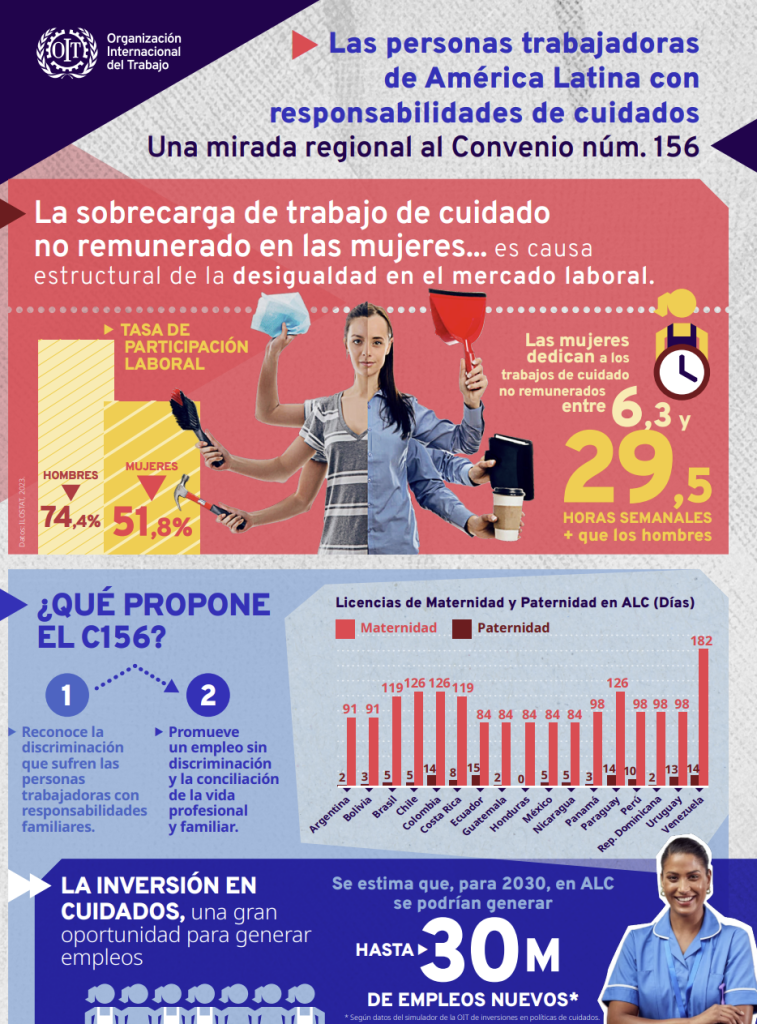
This report presents a comparative analysis of parental leave policies in various countries through April 2024. It examines maternity, paternity, and parental leave, as well as their relationship to early childhood care services.
The City of Buenos Aires has identified care as critical to the promotion of women’s rights. Localized quantitative data illustrates that care is gendered, and women play a disproportionate role providing unpaid caregiving in the family context. To support the…
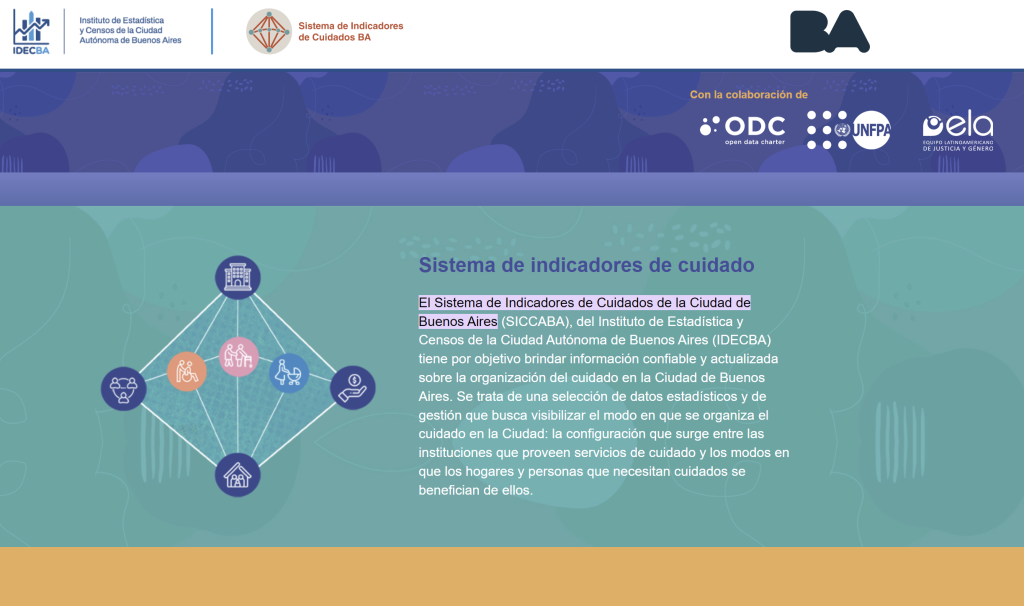
The System of Care Indicators of the City of Buenos Aires (SICCABA), of the Institute of Statistics and Census of the Autonomous City of Buenos Aires (IDECBA) aims to provide reliable and updated information on the organization of care in…
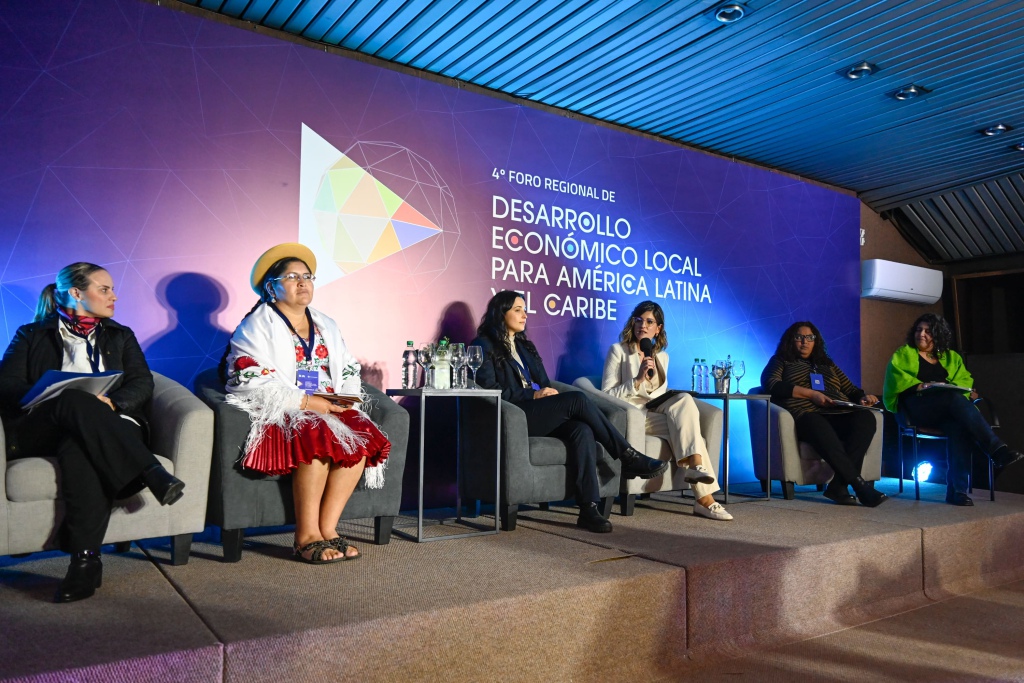
The Roundtable 3 on "Economic Autonomy and Women's Empowerment" of the 4th Regional Forum on Local Economic Development for Latin America and the Caribbean in Montevideo, is co-organized by the Global Alliance for Care together with UN Women Argentina and…
Roundtable 3 on “Economic Autonomy and Women's Empowerment” of the 4th Regional Forum on Local Economic Development for Latin America and the Caribbean in Montevideo, is co-organized by the Global Alliance for Care together with UN Women Argentina and UN…
The return to the “new normal” promised after the prolonged global pandemic seems to be fading in an increasingly critical political, economic and social world, where advances in women’s and diversity rights and legislation are being challenged.
The return to the “new normal” promised after the prolonged global pandemic seems to be fading in an increasingly critical political, economic and social world, where advances in women’s and diversity rights and legislation are being challenged.
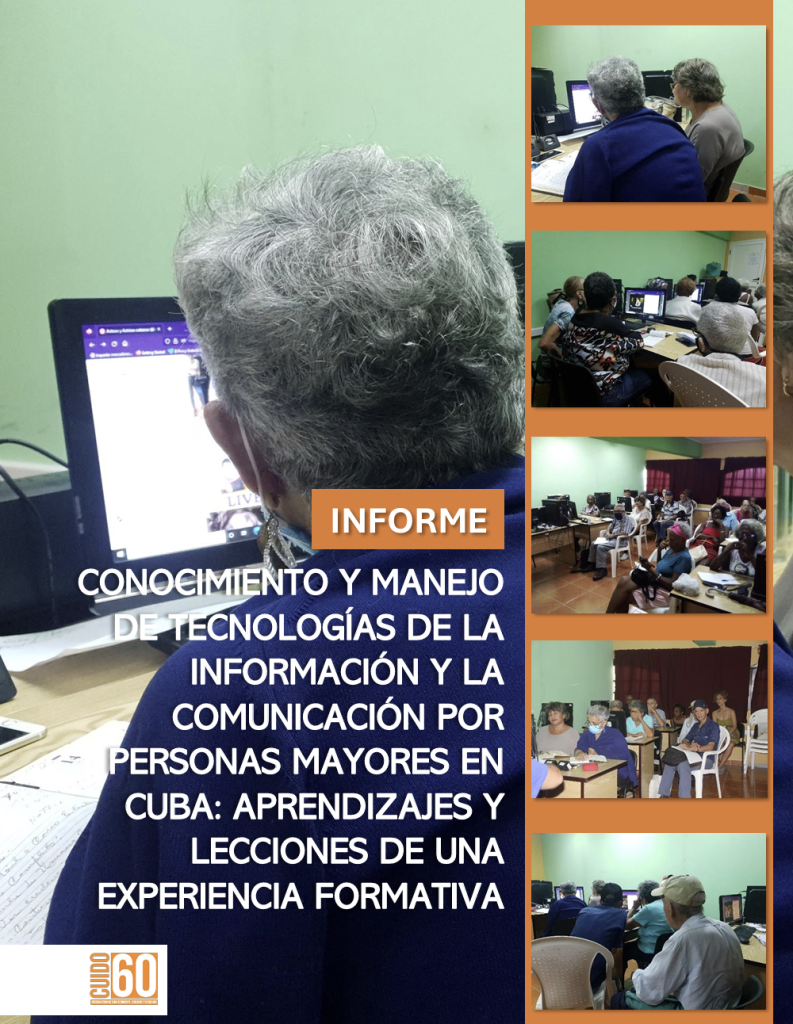
The latest survey on population aging in Cuba (ONEI, 2019) highlights that about 4 out of 10 people aged 60 and over make use of Information and Communication Technologies (ICTs). This result was obtained in 2018, when the survey was…
La última encuesta de envejecimiento poblacional en Cuba (ONEI, 2019) destaca que cerca de 4 de cada 10 personas de 60 años y más hacen uso de las Tecnologías de la Información y las Comunicaciones (TICs). Este resultado se obtuvo…