With your permission we measure how the site is used and show content from other services: Google Maps, YouTube, Spotify. Accept or reject all of it, or choose in your preferences. You can change this at any time from Privacy preferences at the foot of every page. Privacy policy
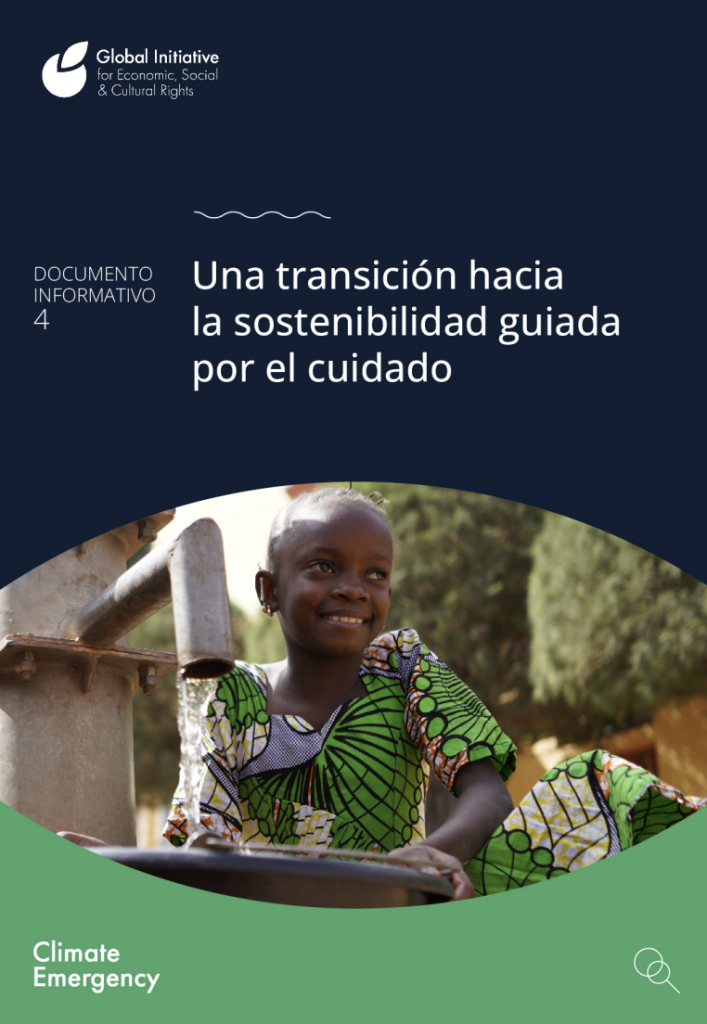
This publication highlights the interrelated crises of care and climate change, focusing on how the lack of access to care services and the impacts of climate change disproportionately affect women. It stresses that unpaid care work, primarily carried out by…
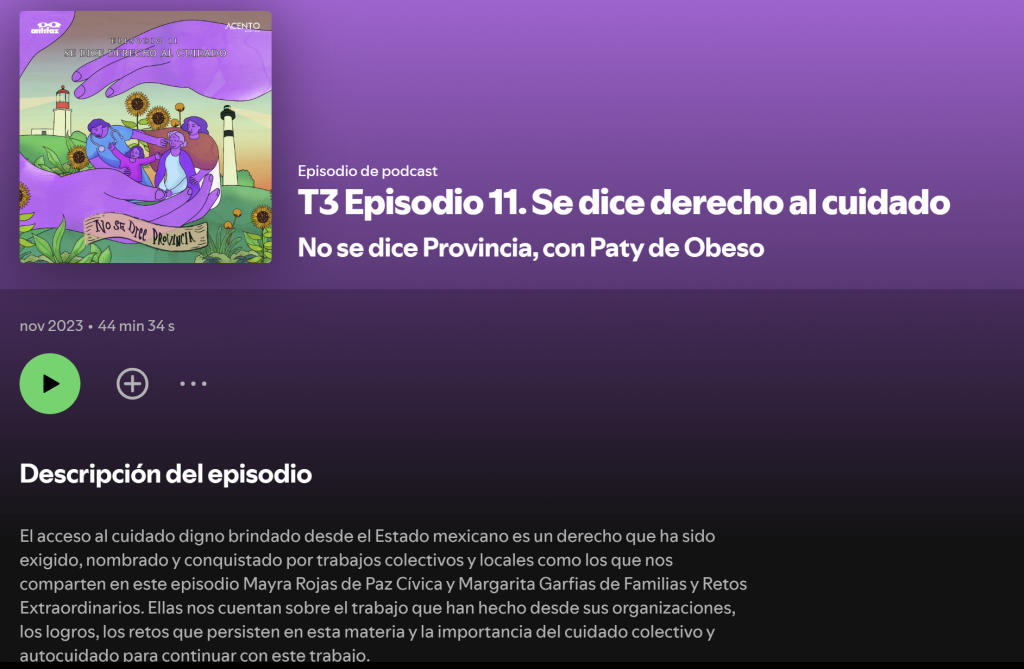
Access to dignified care provided by the Mexican State is a right that has been demanded, named and conquered by collective and local works such as those shared in this episode by Mayra Rojas from Paz Cívica and Margarita Garfias…
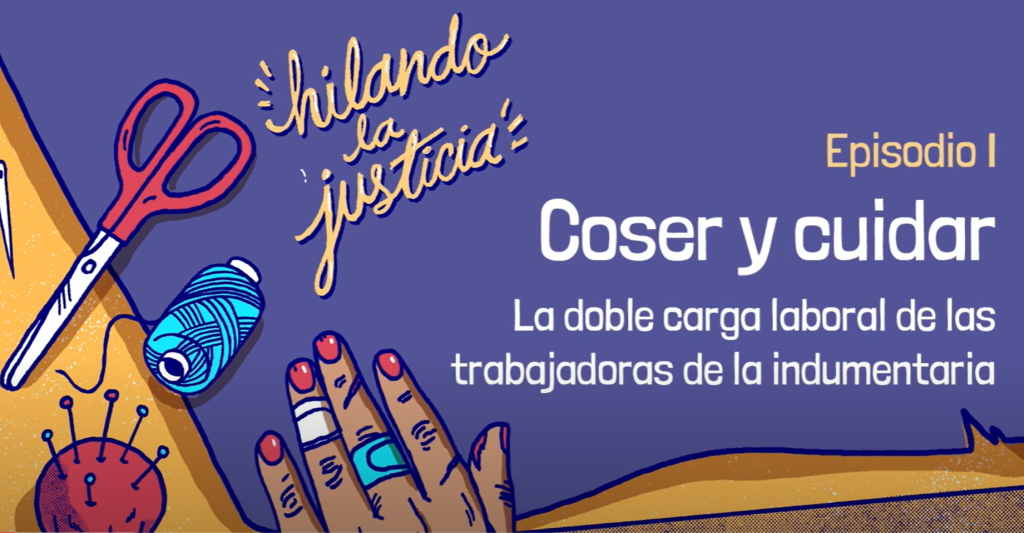
Communication campaign with a feminist approach, through three animated videos produced by Equidad, linking the care agenda with other agendas such as labor rights, climate and economic justice. The objective of the campaign is to trigger reflections on the sustainability…
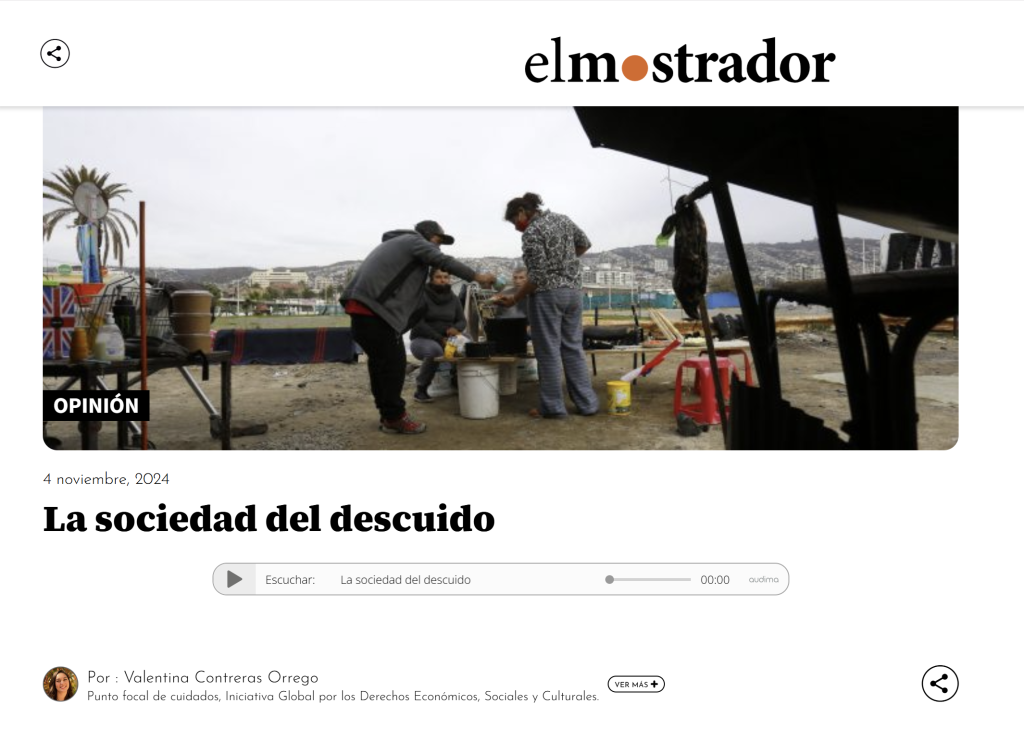
Care must become the heart of development, ensuring that both people and planet thrive in a culture where caring, being cared for and self-care are the priority. Article written by Valentina Contreras Orrego, care focal point, Global Initiative for Economic,…
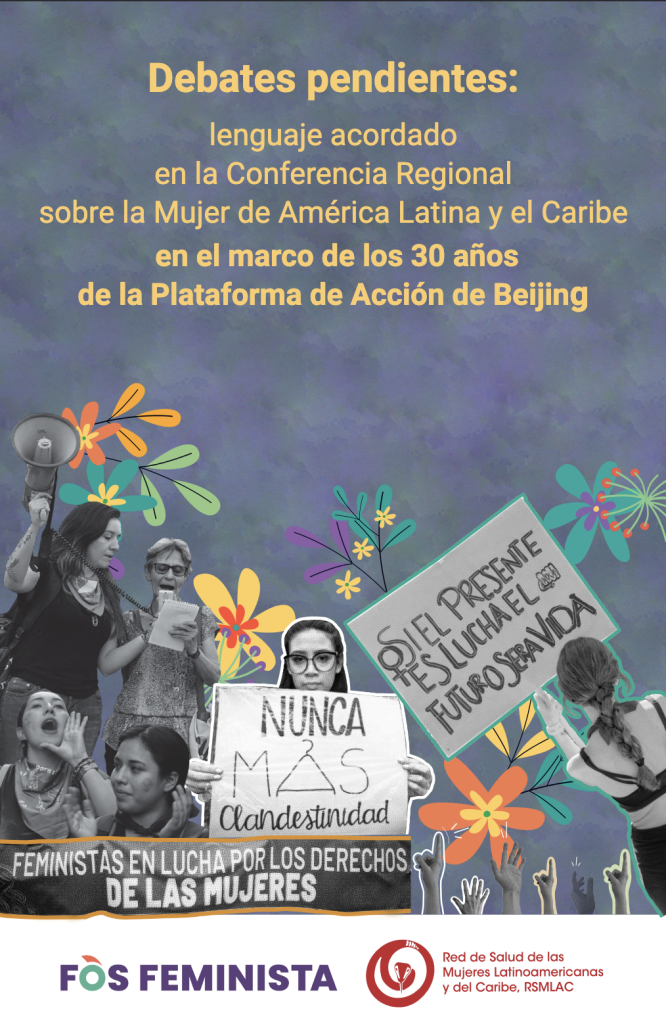
As part of our monitoring work for multilevel advocacy, we produced the document Pending Debates: Language Agreed Upon at the Regional Conference on Women in Latin America and the Caribbean in the Context of the 30th Anniversary of the Beijing…
How do men care? What are the consequences of men devoting less time and energy to caregiving than women? Is it acceptable for a man to care? What can men do to take better care? Caregiving” presents a portrait full…
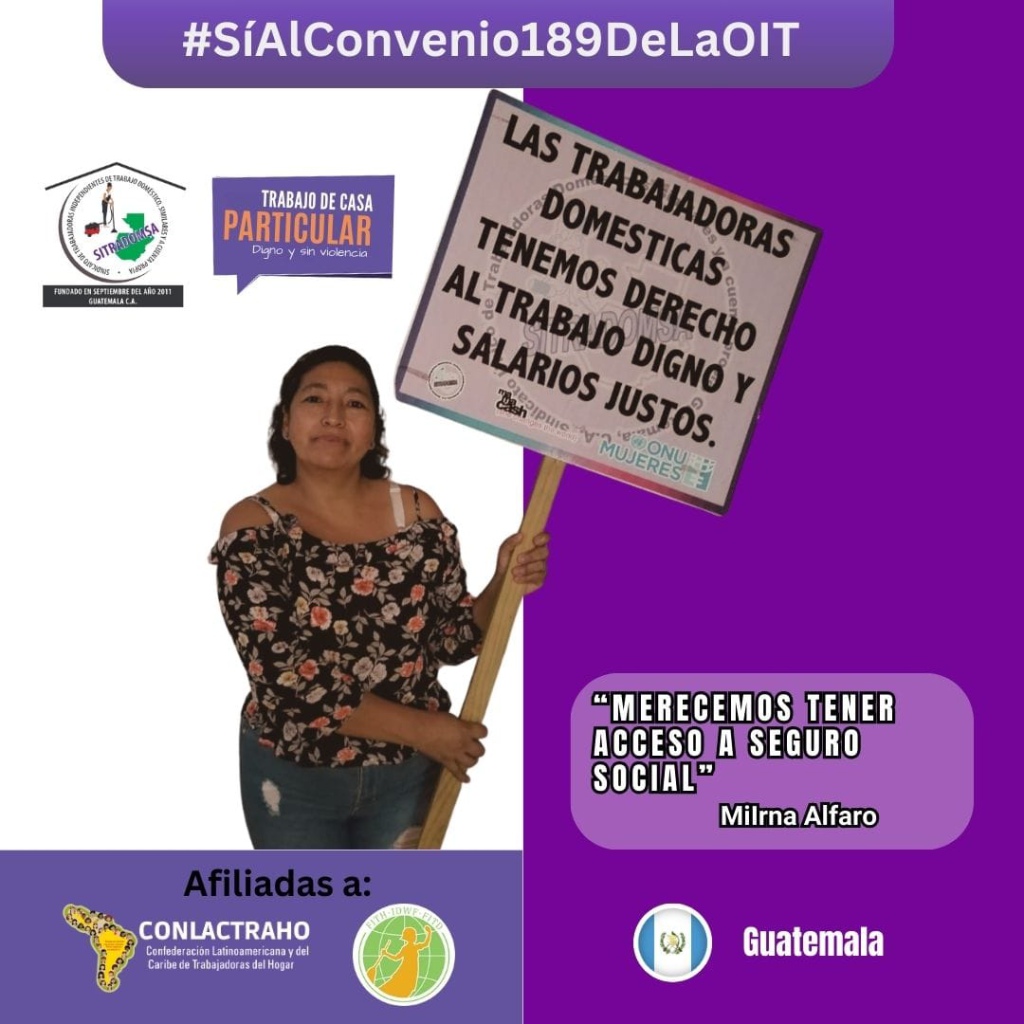
The Union of Domestic, Similar, and Self-Employed Workers of Guatemala (SITRADOMSA) launched the campaign “The Super 189 Be my Hero and Be My Heroine”, with the aim of getting the Congress of that country to approve the ratification of ILO…
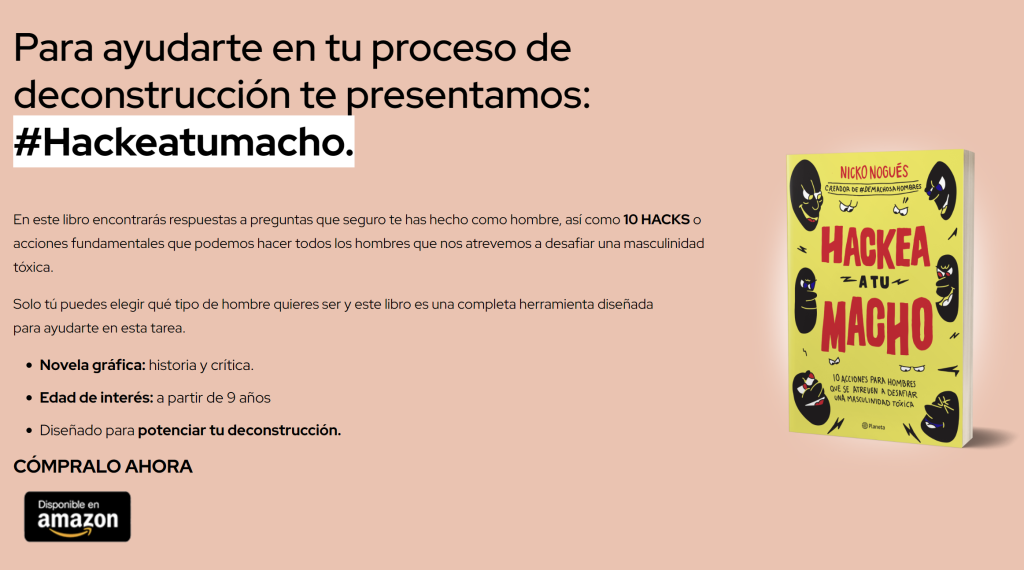
In this book you will find answers to questions you have surely asked yourself as a man, as well as 10 HACKS or fundamental actions that all of us men who dare to challenge toxic masculinity can do.
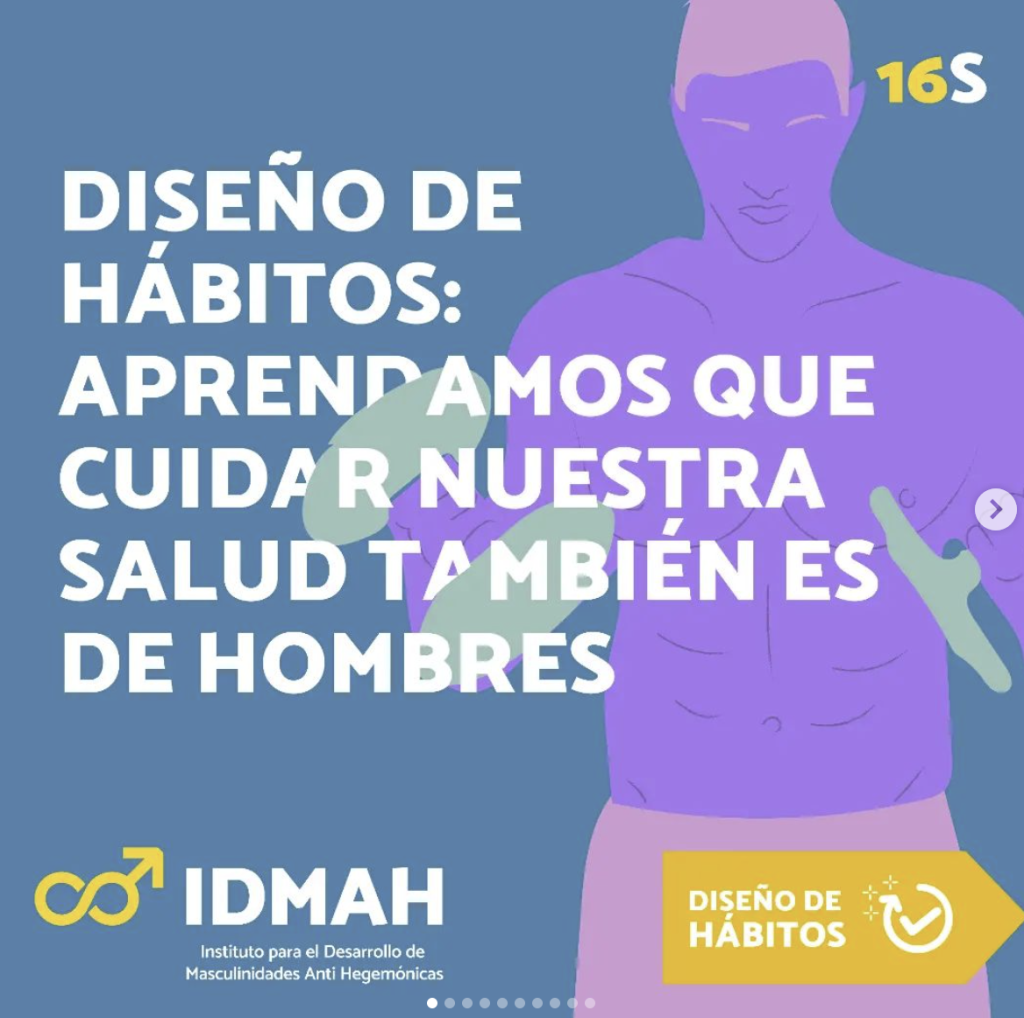
Men's health is currently a topic. The reason is that it has been proven that men pay less attention to their physical and mental health, largely because of gender stereotypes, that is, because it is conceived that a man does…
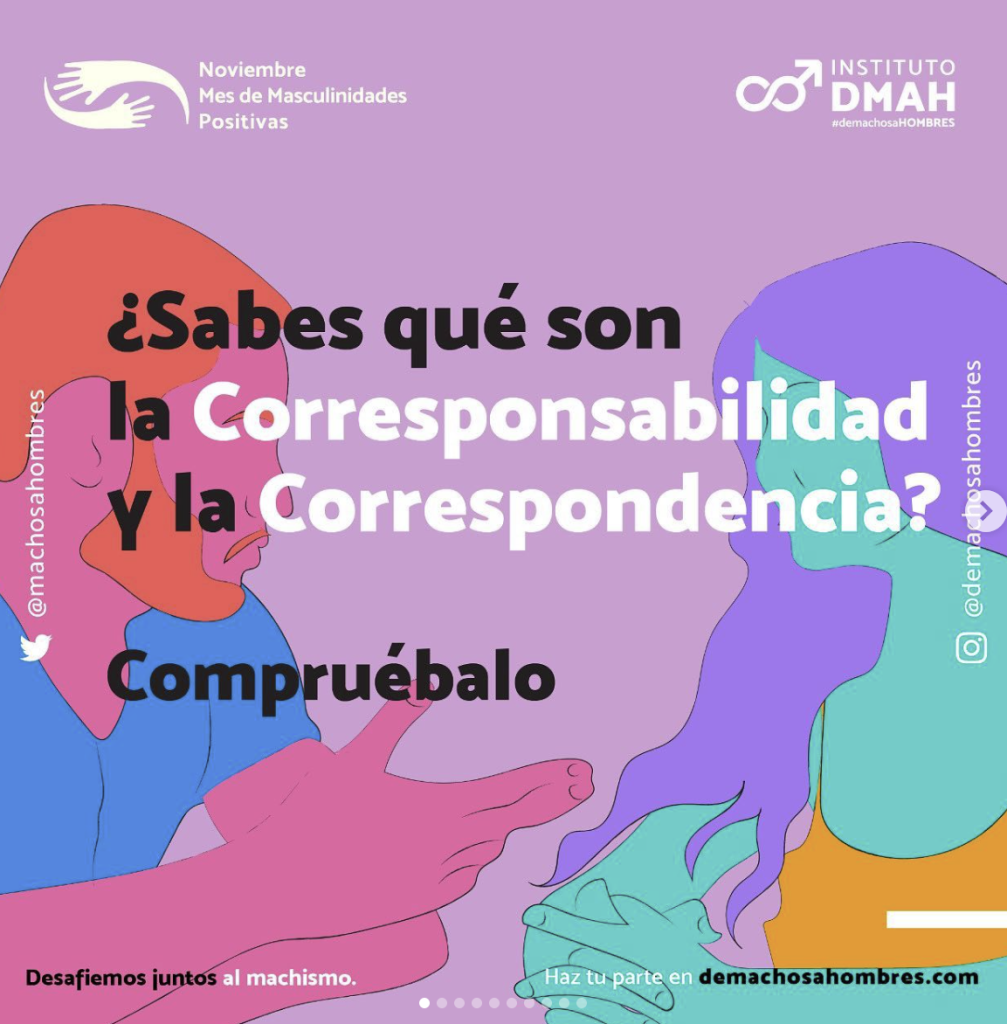
Co-responsibility is shared responsibility with another person or persons. That is, all persons involved recognize and carry out their part in a shared activity. For example, dividing up the tasks of a team effort so that everyone is equally involved.
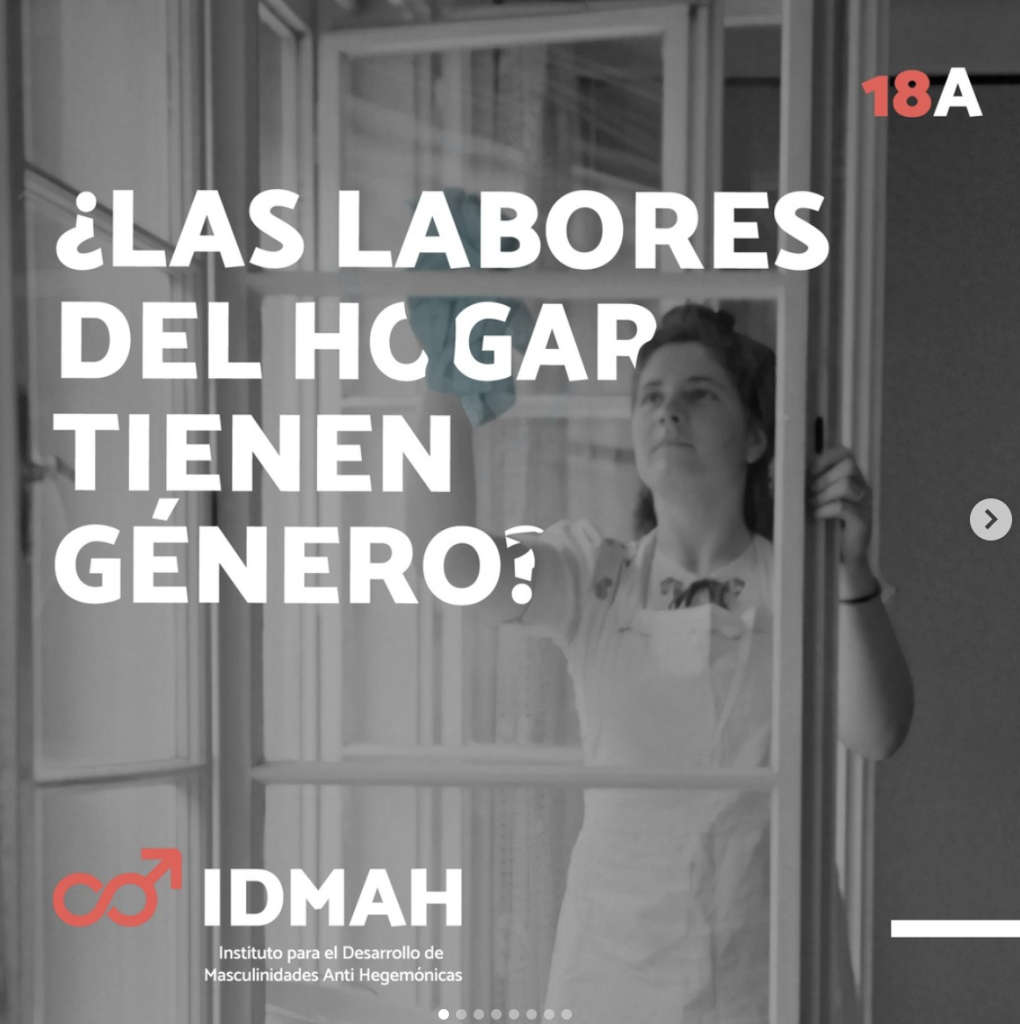
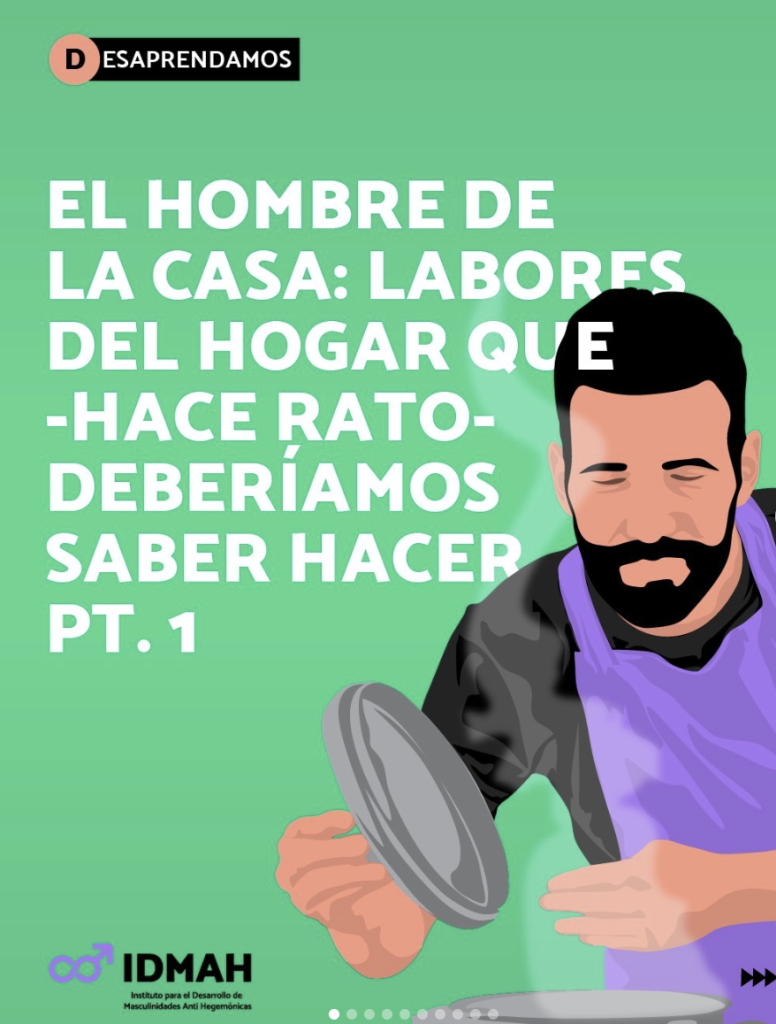
Historically and from an androcentric point of view, inequalities between men and women occur in all areas; one of them is the distribution of household chores and the planning necessary for everything to work in the home.
Although it may sound implausible to many of us, the sharing of domestic and home care tasks continues to be one of the most unequal jobs between men and women, partly because they are unpaid and, therefore, mostly relegated to…
As in the first installment, this new part presents situations in which any of us have felt identified. The interesting thing is that to Joy, Sadness, Displeasure, Anger and Fear are added more complex emotions: Anxiety, Envy, Shame, Ennui and…
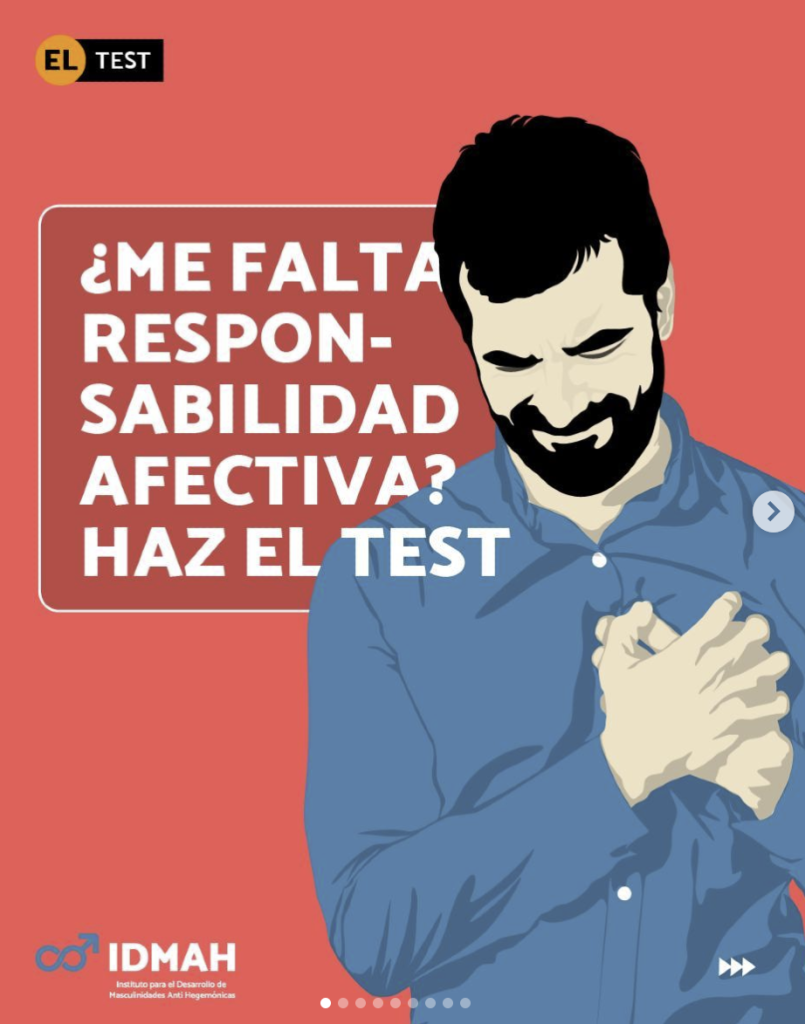
In addition to love and attraction, the set of elements that make a relationship stable and solid can be summarized in one expression: affective responsibility. These are the aspects that raise the commitments and behaviors to build a daily life…
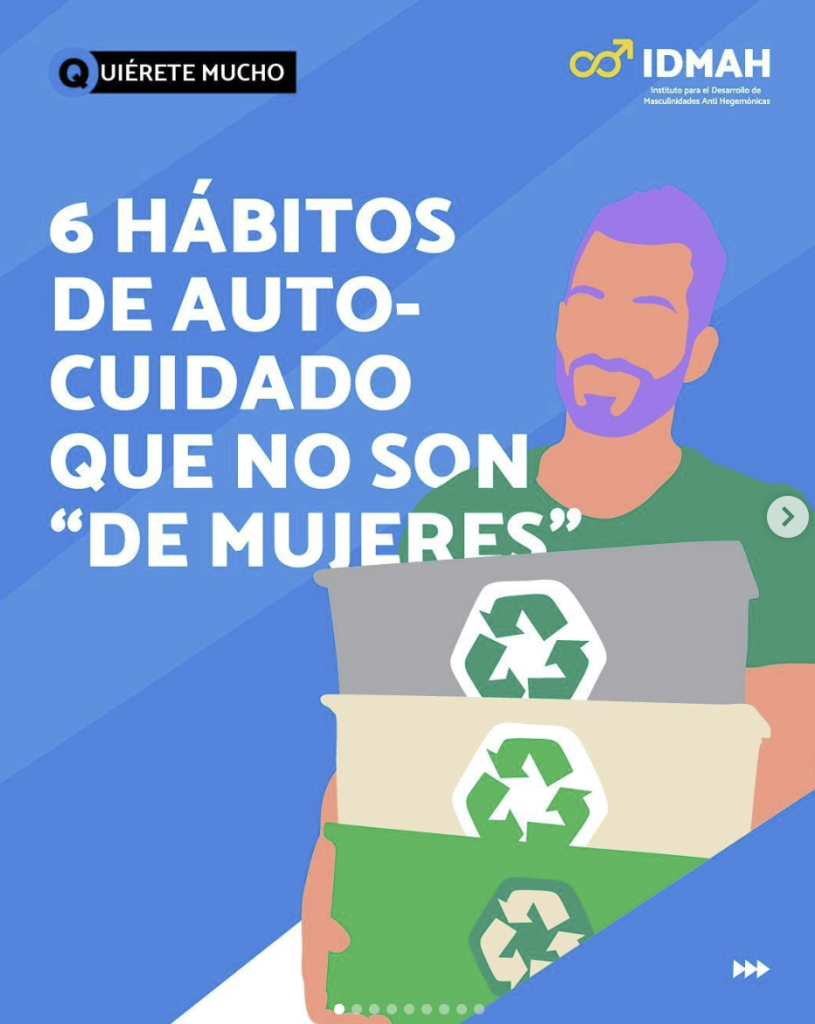
Within the stereotype of traditional masculinity, the lack of attention to personal care, interpersonal relationships and the environment still persists. This is justified by the argument that “women are the ones who possess the instinct to care”, which perpetuates the…
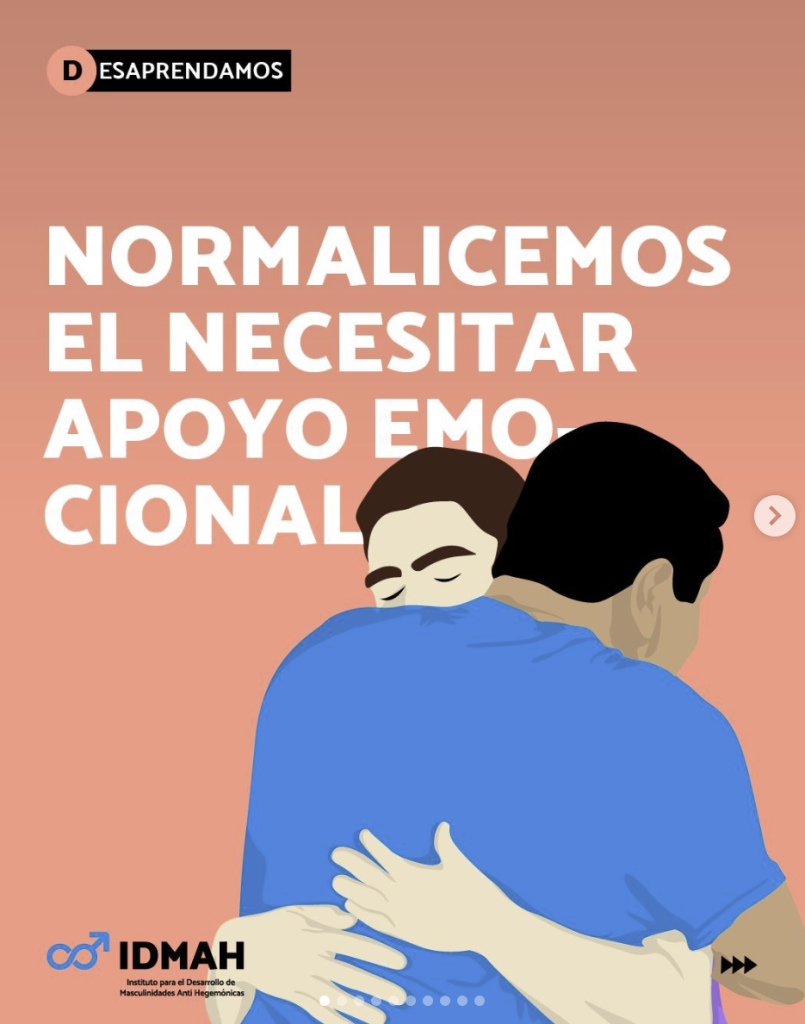
Let's normalize needing emotional support Within the Toxic Box of Masculinity, there are rigid masculine roles; as part of this pattern, the norm dictates that men should fend for themselves without asking for help, and this involves repressing emotions (Promundo,…
With the aim of contributing to a better understanding of this phenomenon in Argentina and making it more visible, ELA and UNICEF have developed this qualitative research. Through the voices of adolescents, the study sheds light on how they take…