With your permission we measure how the site is used and show content from other services: Google Maps, YouTube, Spotify. Accept or reject all of it, or choose in your preferences. You can change this at any time from Privacy preferences at the foot of every page. Privacy policy
This case study on Cambodia enhances ESCAP’s technical and advisory assistance to its member States, in particular aligning with the ASEAN region’s efforts to bring care to the centre of public policy. The ASEAN Comprehensive Framework on Care Economy was…
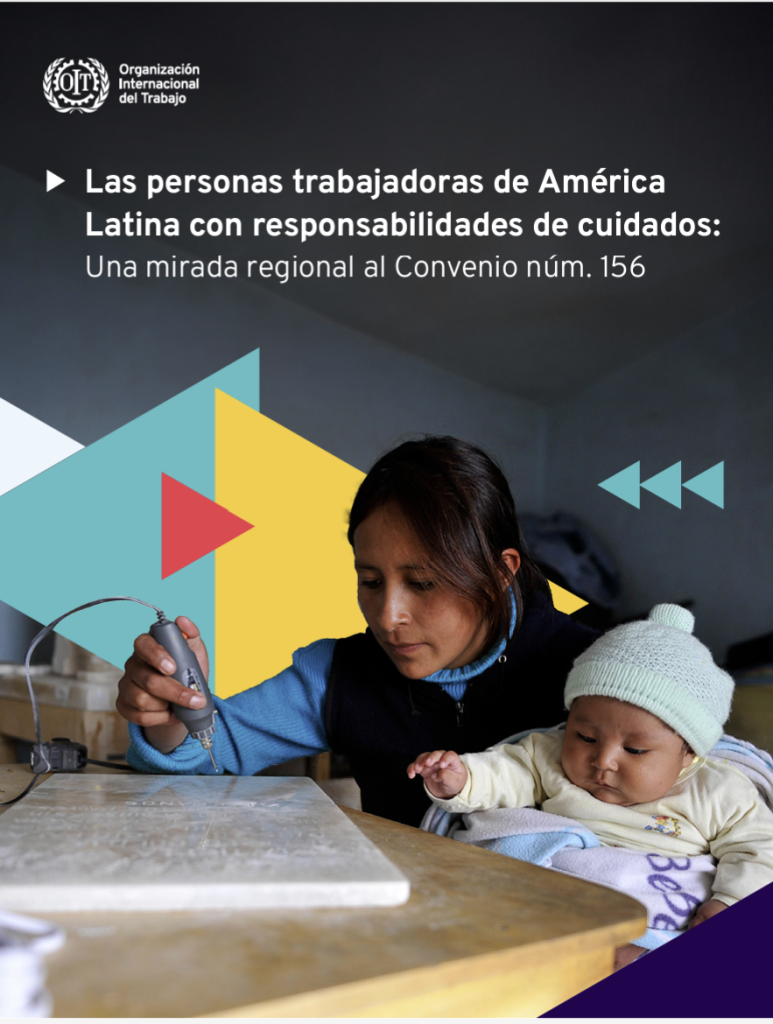
Analysing the intersection between gender, employment and care, the ILO presents a detailed report that calls for transformative action to redistribute care work around co-responsibility and social justice.
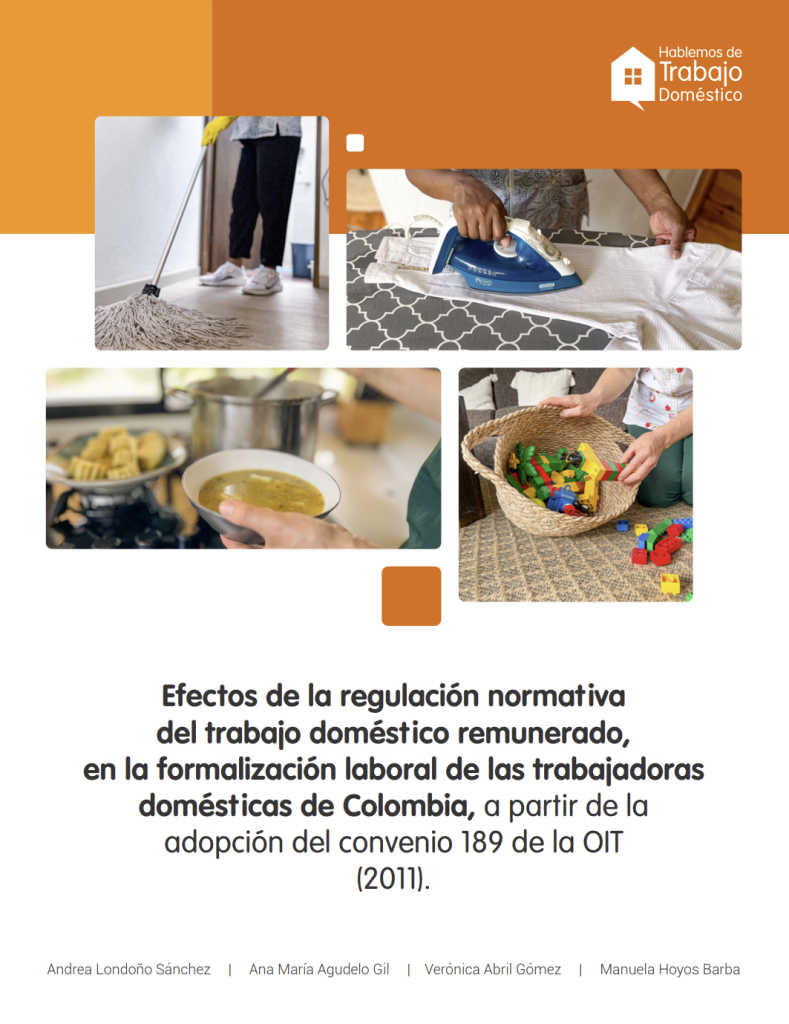
This study examines the effects of the normative regulation of paid domestic work on the labor formalization of domestic workers in Colombia, starting with the adoption of ILO Convention 189 (2011), taking as a reference that, by the year 2022,…
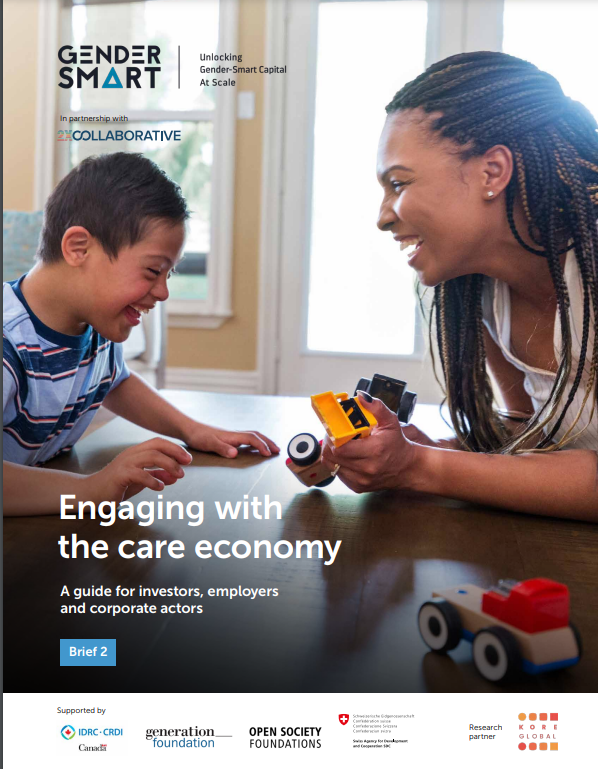
This brief builds on Brief 1 that sets the scene of what the care economy covers, thetypes of business models and challenges to overcome. This adjacent primer is targeted forinvestors, in both private and public markets, employers and corporate actors…
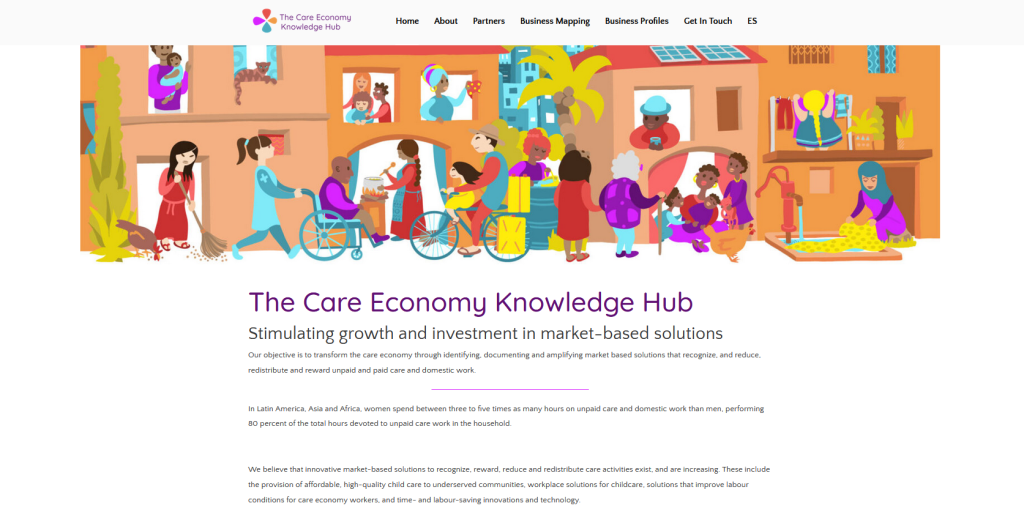
Stimulating growth and investment in market-based solutions. Our objective is to transform the care economy through identifying, documenting and amplifying market based solutions that recognize, and reduce, redistribute and reward unpaid and paid care and domestic work.In Latin America, Asia…
Healthy pregnancies and healthy newborn children, combined with a measure of economic security, are an aspiration for all working mothers. Maternity protection at work supports this aspiration. Its goals are twofold: 1) to ensure that a woman’s economic activities do…
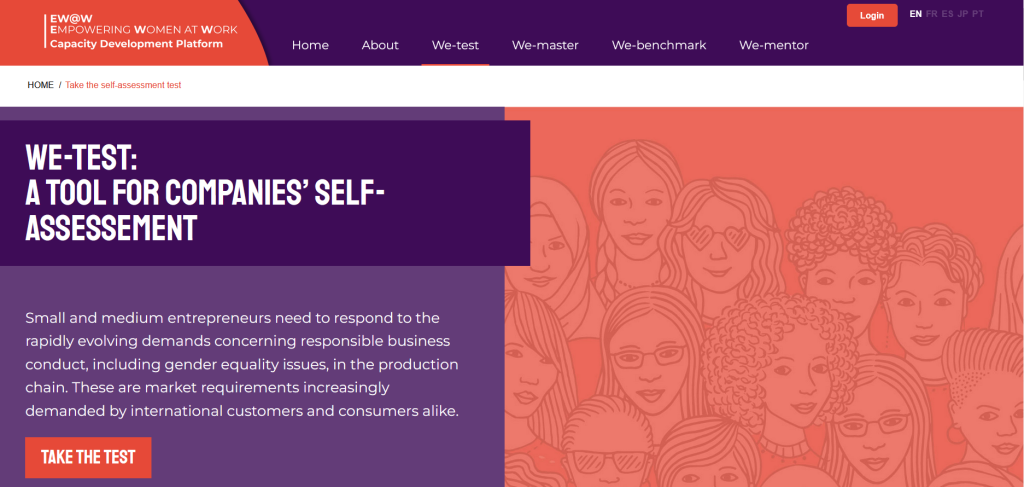
Small and medium entrepreneurs need to respond to the rapidly evolving demands concerning responsible business conduct, including gender equality issues, in the production chain. These are market requirements increasingly demanded by international customers and consumers alike.
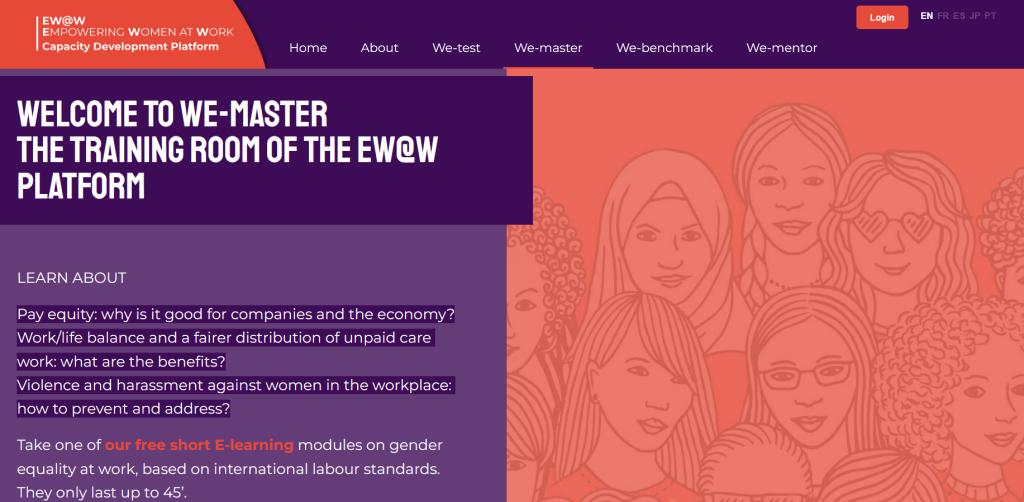
Pay equity: why is it good for companies and the economy?Work/life balance and a fairer distribution of unpaid care work: what are the benefits?Violence and harassment against women in the workplace: how to prevent and address?
En los próximos años, es probable que aumente la necesidad de trabajo asistencial debido a las transformaciones demográficas, socioeconómicas y medioambientales. En todo el mundo, los cuidadores no remunerados, especialmente las mujeres, cubren la gran mayoría de las necesidades de…
The different forms of work identified within the framework include employment, own-use production work (activities people do to produce goods and provide services for their own use) as well as other unpaid activities such as volunteer work and unpaid trainee…
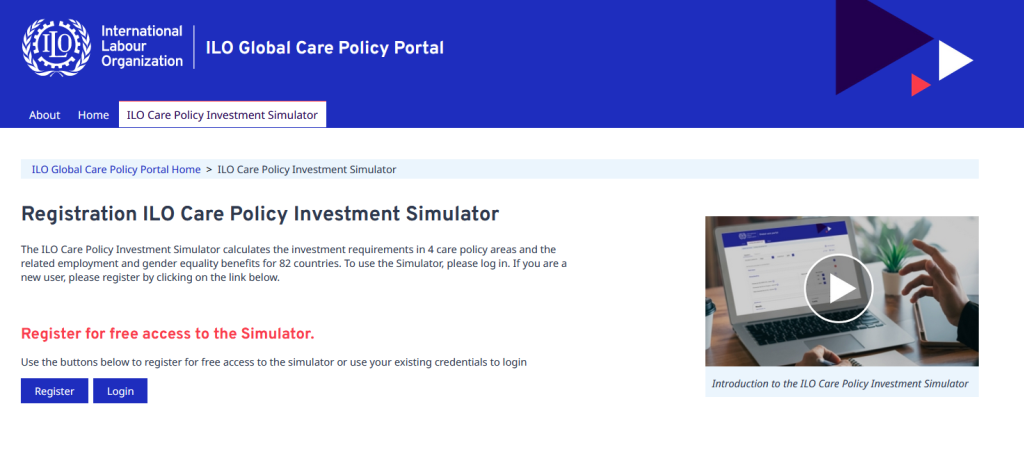
The ILO Care Policy Investment Simulator calculates the investment requirements in 4 care policy areas and the related employment and gender equality benefits for 82 countries. To use the Simulator, please log in. If you are a new user, please…
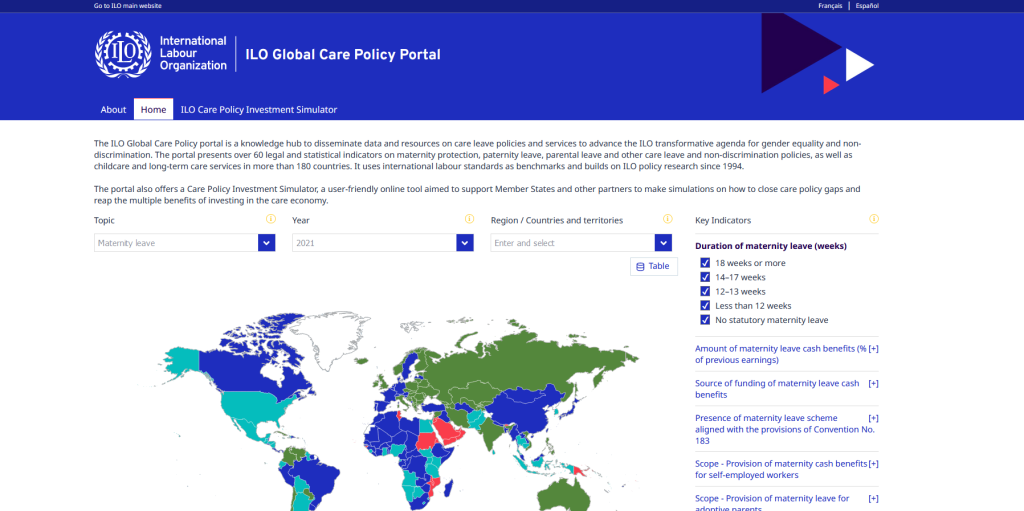
The ILO Global Care Policy portal is a knowledge hub to disseminate data and resources on care leave policies and services to advance the ILO transformative agenda for gender equality and non-discrimination. The portal presents over 60 legal and statistical…
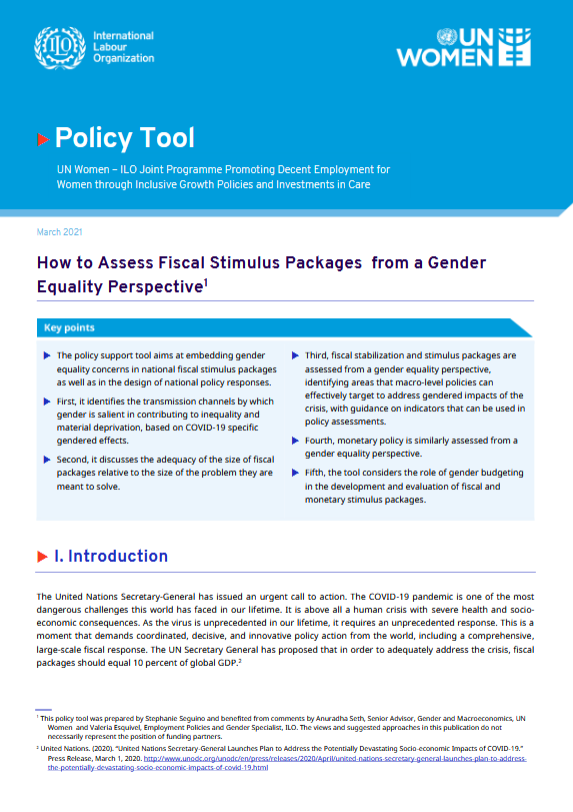
- UN Women - ILO Policy Tool 1 How to Assess Fiscal Stimulus Packages from a Gender Equality Perspective - Policy Tool March 2021 How to Assess Fiscal Stimulus Packages from a Gender Equality Perspective.- The policy support tool aims…
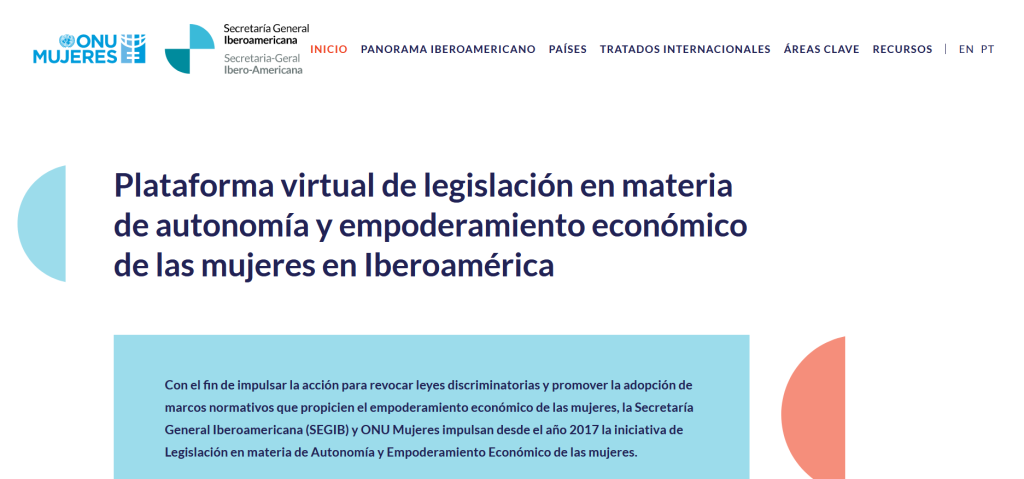
Seeking to galvanise action to repeal discriminatory laws and encourage the adoption of regulatory frameworks conducive to women's economic empowerment, the Ibero-American General Secretariat (SEGIB) and UN Women have been promoting the Legal Frameworks for Women's Autonomy and Economic Empowerment…