With your permission we measure how the site is used and show content from other services: Google Maps, YouTube, Spotify. Accept or reject all of it, or choose in your preferences. You can change this at any time from Privacy preferences at the foot of every page. Privacy policy
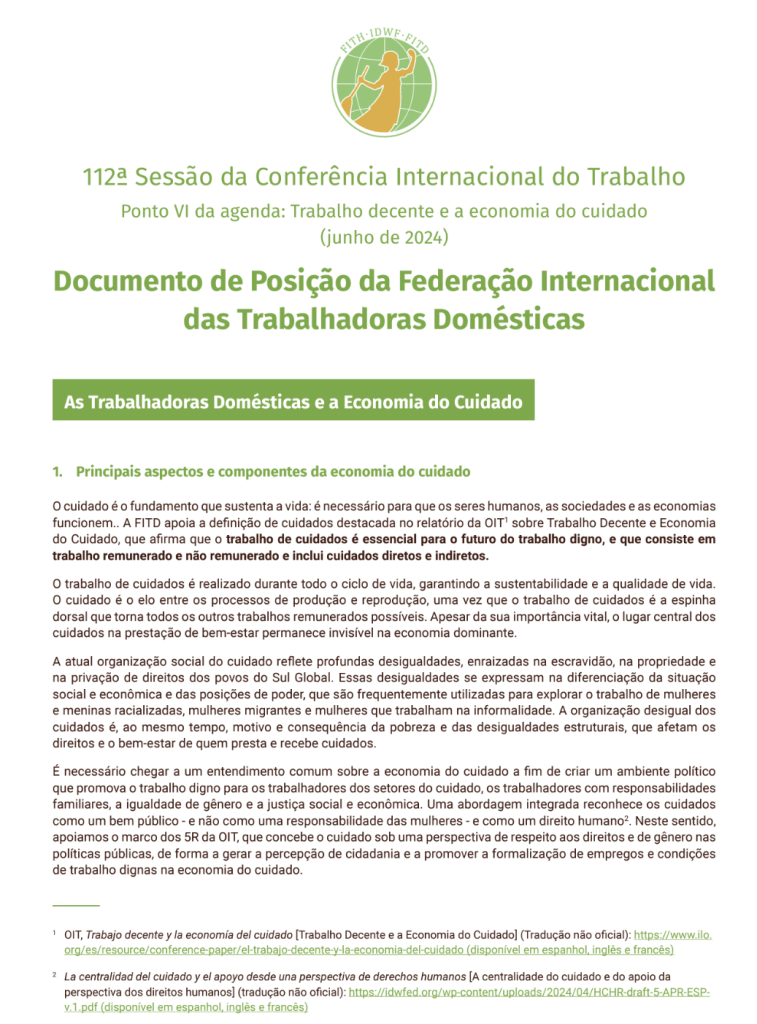
Domestic work is essential for the functioning of economies and societies. And domestic workers, who represent 25% of the global care workforce, should be fully recognized as workers and care providers, protected by law and in practice equally to other…
The Women's Institute has the database, called Women in Figures, which is composed of a set of indicators that reflect the situation of women in different areas of society.
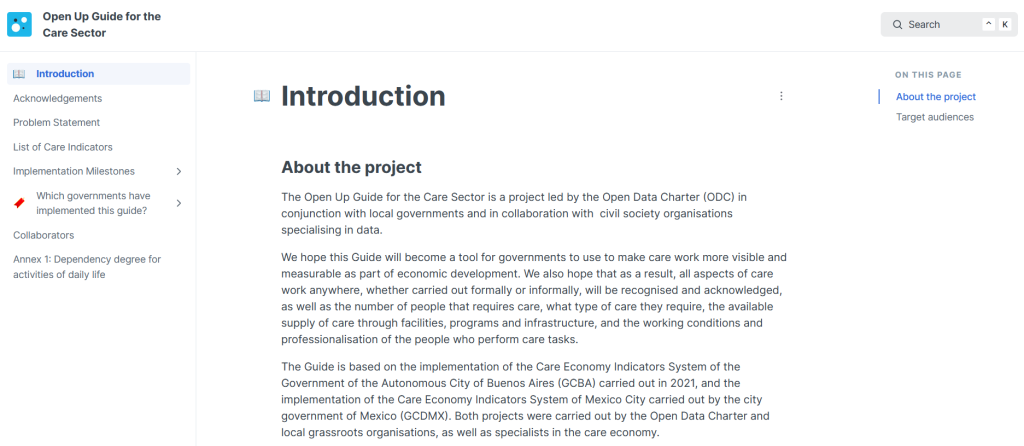
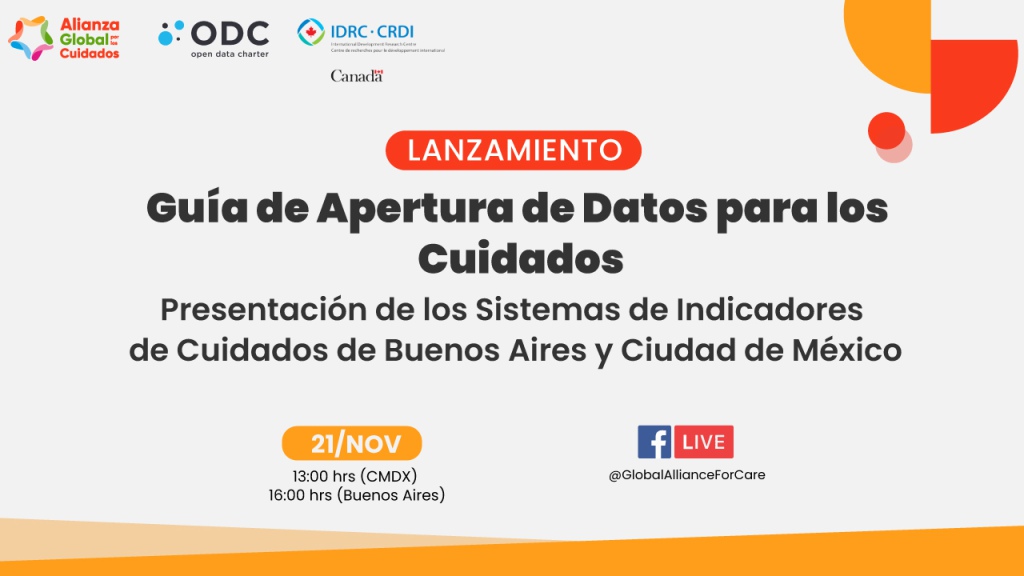
The Open Up Guide for the Care Sector is a project led by the Open Data Charter (ODC) in conjunction with local governments and in collaboration with civil society organisations specialising in data. We also hope that as a result,…
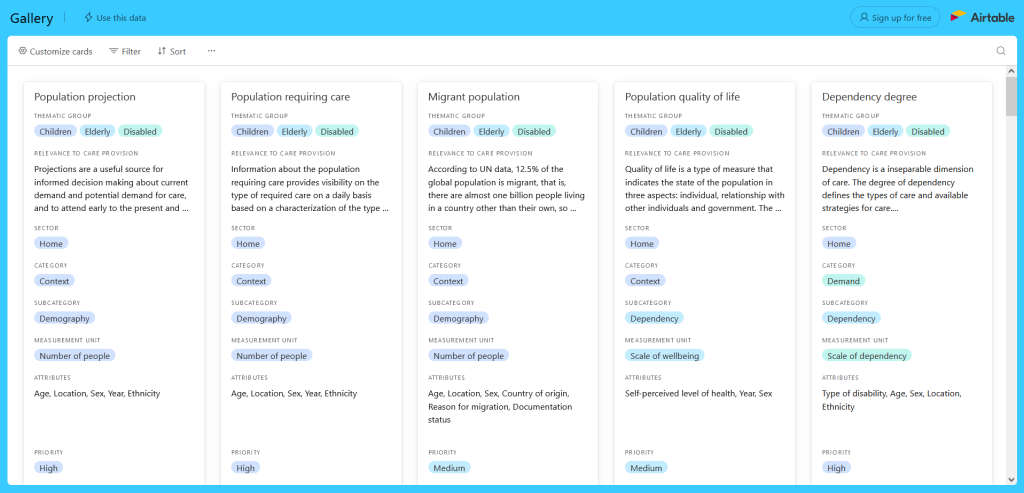
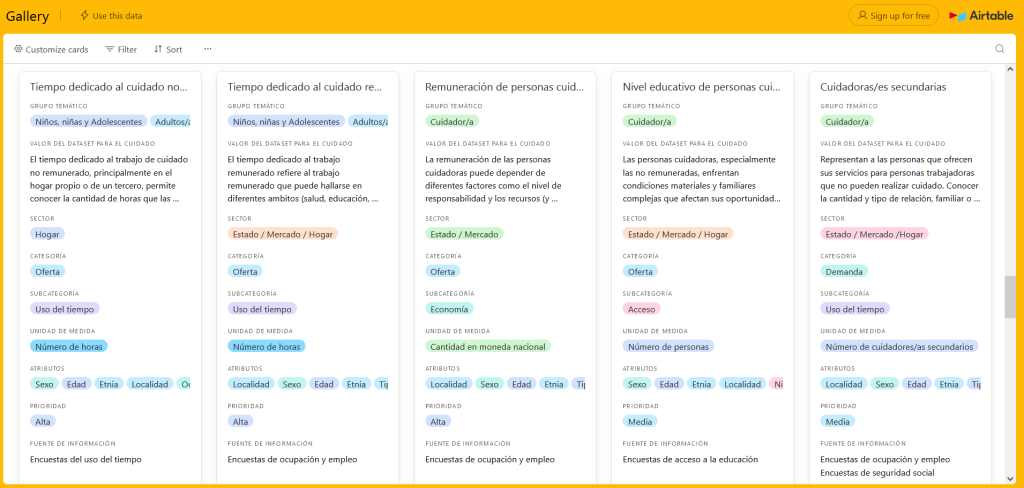
Open Data Charter, the Secretariat for Women of Mexico City, and the Statistics and Census Directorate of the City of Buenos Aires presented together with the Global Alliance for Care the “Open Up Guide for the Care Sector” and the…
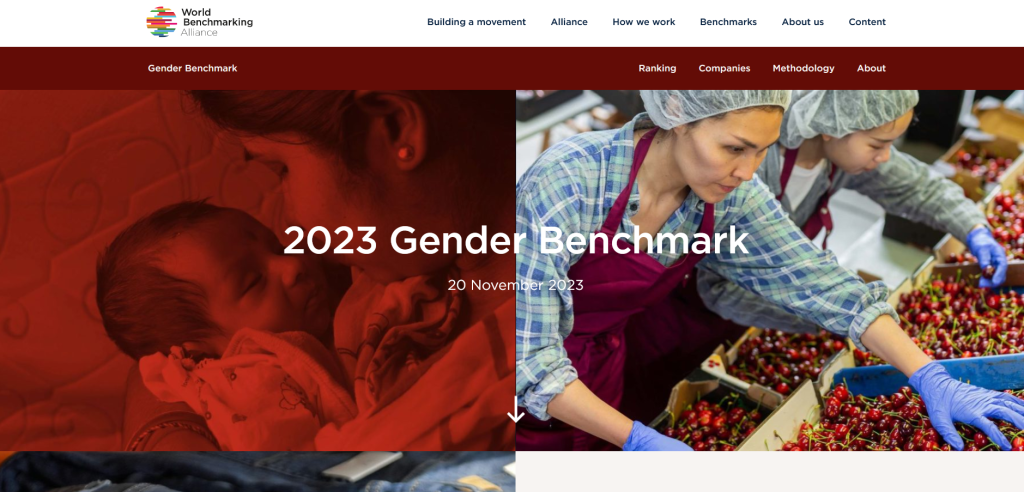
In this second iteration of the Gender Benchmark we rank 112 of the largest apparel and food and agriculture companies globally on their responsibility to drive and promote gender equality in their entire value chain. This is our second time…
In 2021, the World Benchmarking Alliance (WBA) published our first Gender Benchmark, assessing 35 companies in the apparel sector. This year, we expanded our scope by assessing 1,006 companies that span 10 industries and more than 80 countries around the…
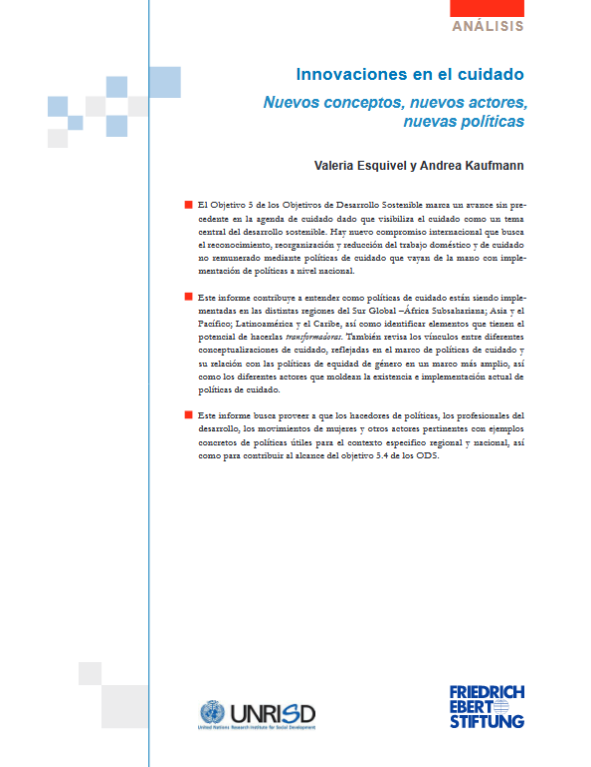
This report contributes to understanding how care policies are being implemented in the different regions of the Global South - Sub-Saharan Africa; Asia and the Pacific; Latin America and the Caribbean, as well as identifying elements that have the potential…
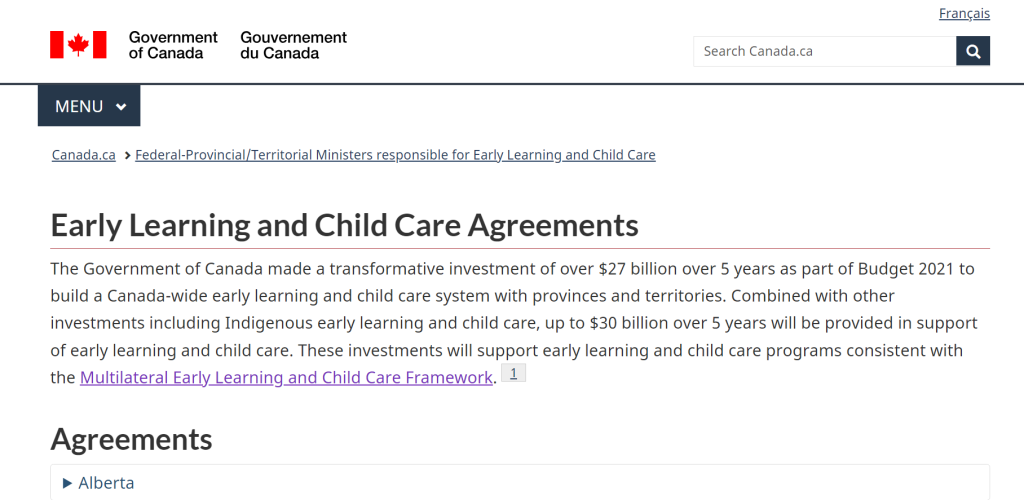
The Government of Canada made a transformative investment of over $27 billion over 5 years as part of Budget 2021 to build a Canada-wide early learning and child care system with provinces and territories. Combined with other investments including Indigenous…
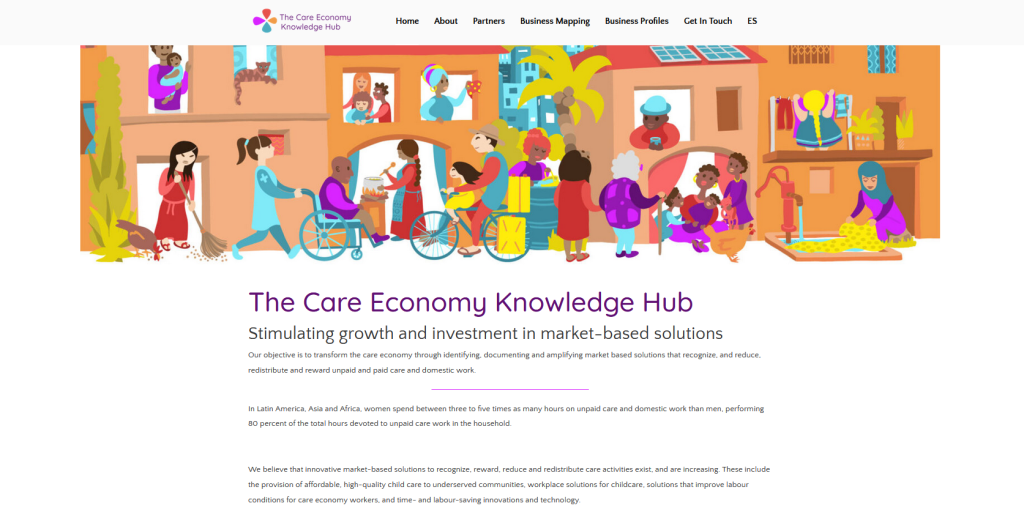
Stimulating growth and investment in market-based solutions. Our objective is to transform the care economy through identifying, documenting and amplifying market based solutions that recognize, and reduce, redistribute and reward unpaid and paid care and domestic work.In Latin America, Asia…
• In 2021 the Carolina Foundation and UNRISD launched a polyphonic project focused on reflecting, in a situated and critical way, on some of the most pressing challenges of Latin American in relation to gender justice. After the Covid-19 pandemic,…
En los próximos años, es probable que aumente la necesidad de trabajo asistencial debido a las transformaciones demográficas, socioeconómicas y medioambientales. En todo el mundo, los cuidadores no remunerados, especialmente las mujeres, cubren la gran mayoría de las necesidades de…
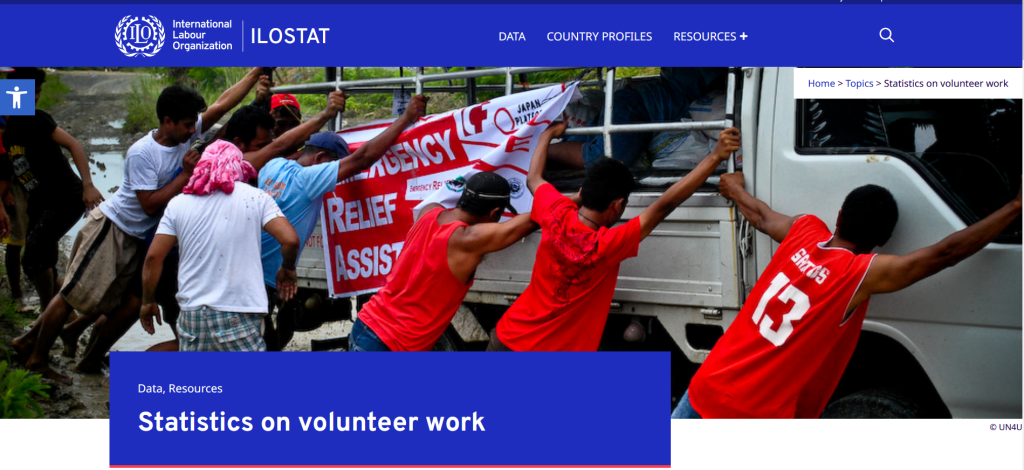
The contribution of volunteers to the well-being of individuals and communities has long been recognized. It plays an important role in keeping people and communities together, building social cohesion and meeting the needs of many groups in the face of…
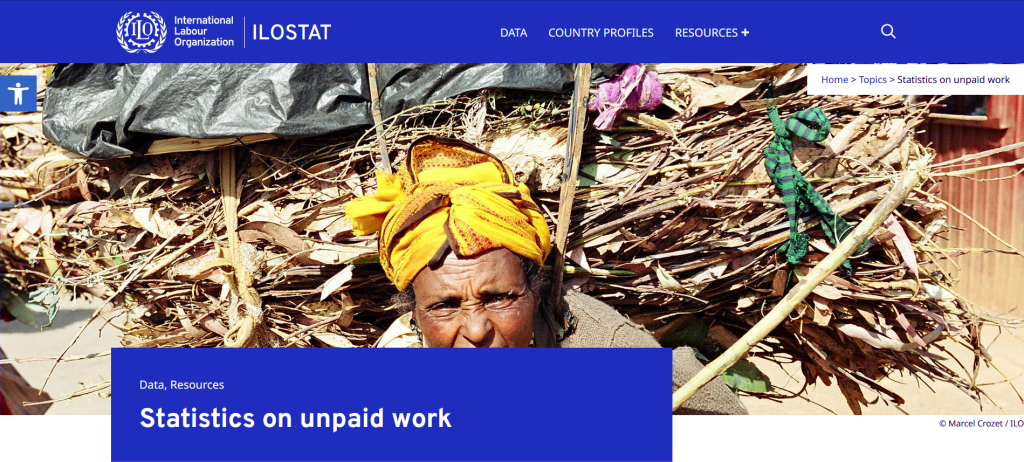
The different forms of work identified within the framework include employment, own-use production work (activities people do to produce goods and provide services for their own use) as well as other unpaid activities such as volunteer work and unpaid trainee…
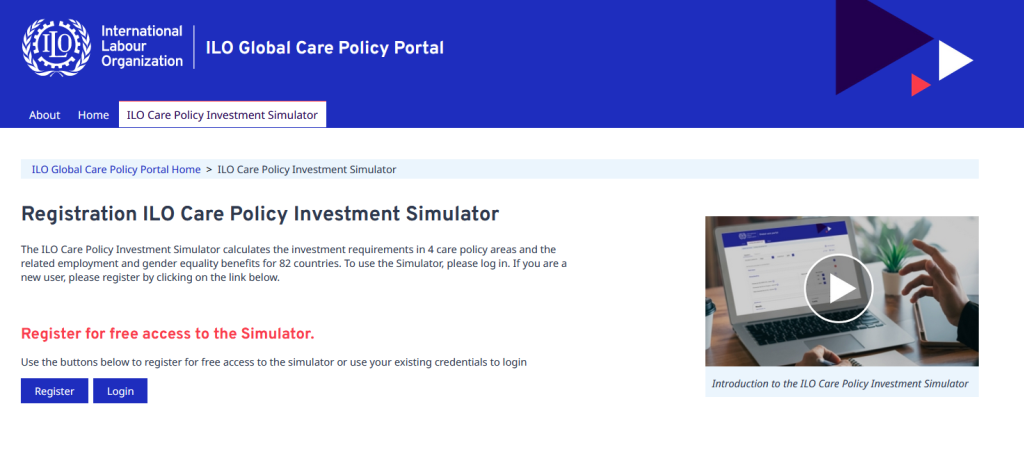
The ILO Care Policy Investment Simulator calculates the investment requirements in 4 care policy areas and the related employment and gender equality benefits for 82 countries. To use the Simulator, please log in. If you are a new user, please…