With your permission we measure how the site is used and show content from other services: Google Maps, YouTube, Spotify. Accept or reject all of it, or choose in your preferences. You can change this at any time from Privacy preferences at the foot of every page. Privacy policy
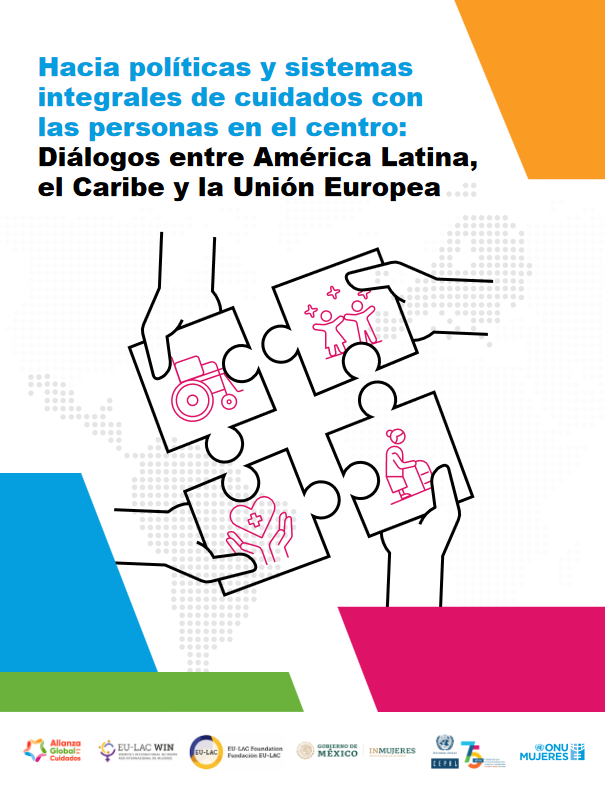
To promote the care agenda, the EU-LAC Foundation, through the EU-LAC International Women’s Network, in close collaboration with UN Women for the Americas and the Caribbean, the Economic Commission for Latin America and the Caribbean (ECLAC), the Global Alliance for…
Statistics Canada, in collaboration with Canadian experts on care, has embarked on a cross-cutting project to develop a framework that defines the scope and magnitude of the care economy. This project seeks to provide a foundation for a holistic data…
Statistics Canada, in collaboration with Canadian experts on care, has embarked on a cross-cutting project to develop a framework that defines the scope and magnitude of the care economy. This project seeks to provide a foundation for a holistic data…
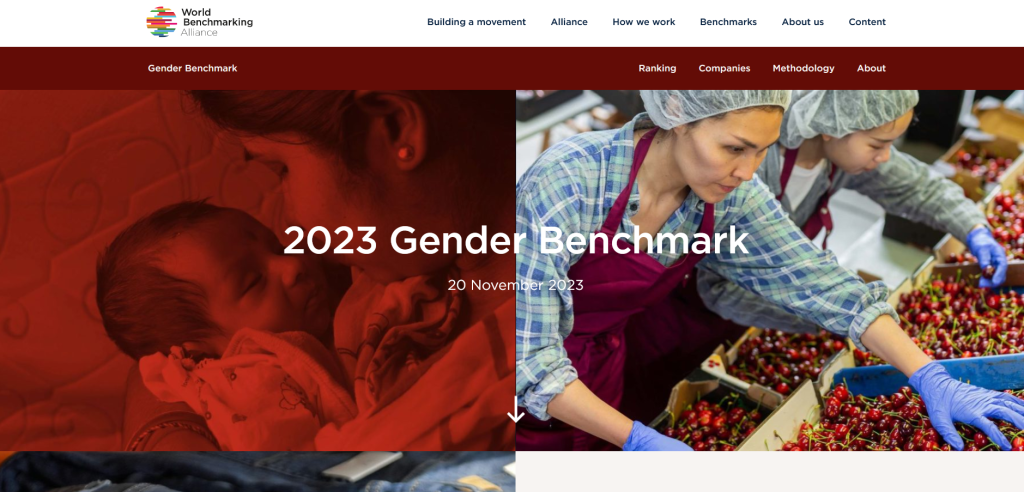
In this second iteration of the Gender Benchmark we rank 112 of the largest apparel and food and agriculture companies globally on their responsibility to drive and promote gender equality in their entire value chain. This is our second time…
In 2021, the World Benchmarking Alliance (WBA) published our first Gender Benchmark, assessing 35 companies in the apparel sector. This year, we expanded our scope by assessing 1,006 companies that span 10 industries and more than 80 countries around the…
This report describes the work carried out in the process of building the System of Indicators of Mexico City (SICCDMX). A platform that gathers indicators with information on the supply and demand of paid and unpaid care work. The project…
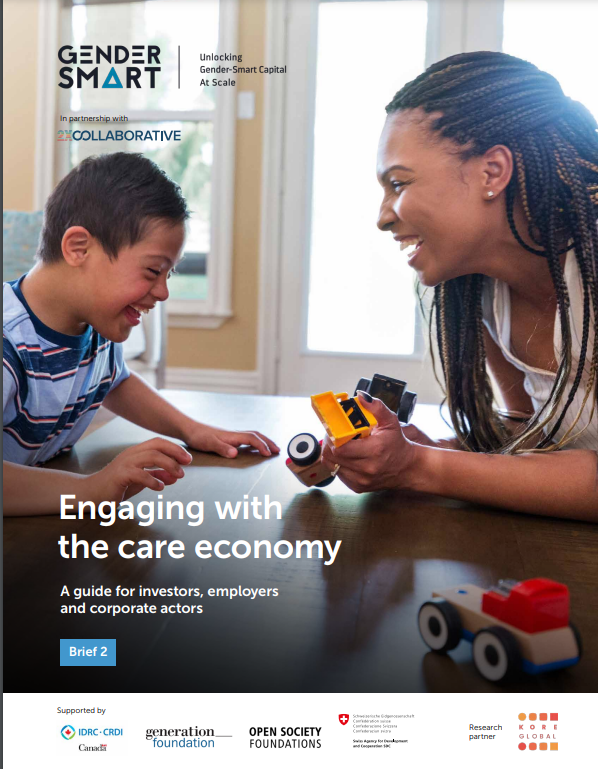
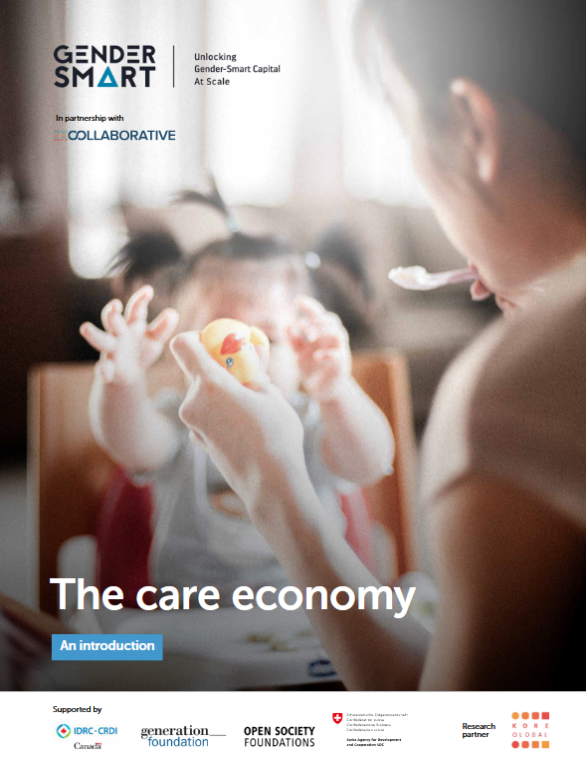
This brief builds on Brief 1 that sets the scene of what the care economy covers, thetypes of business models and challenges to overcome. This adjacent primer is targeted forinvestors, in both private and public markets, employers and corporate actors…
Care work underpins and drives economic, social and environmental wellbeing. It enables modern societies and economies to function. The global COVID-19 pandemic exposed the important yet precarious state of the world’s care infrastructure generally and the disastrous gendered consequences of…
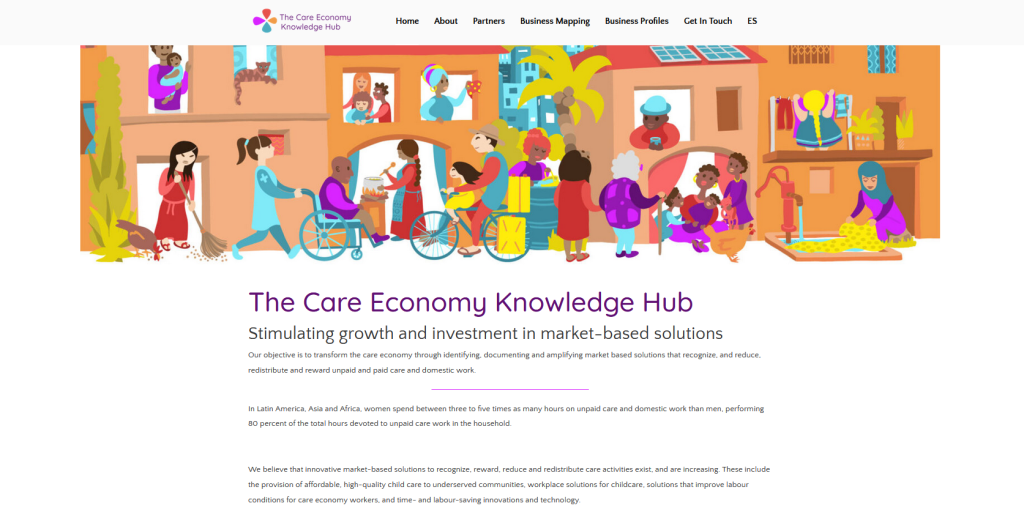
Stimulating growth and investment in market-based solutions. Our objective is to transform the care economy through identifying, documenting and amplifying market based solutions that recognize, and reduce, redistribute and reward unpaid and paid care and domestic work.In Latin America, Asia…
• In 2021 the Carolina Foundation and UNRISD launched a polyphonic project focused on reflecting, in a situated and critical way, on some of the most pressing challenges of Latin American in relation to gender justice. After the Covid-19 pandemic,…
The pandemic exacerbated a reality that was already there, and consequently exposed what could no longer remain hidden. This is the key insight that unites the four think pieces in this mini-series which come from different geographical locations in Ibero-America…
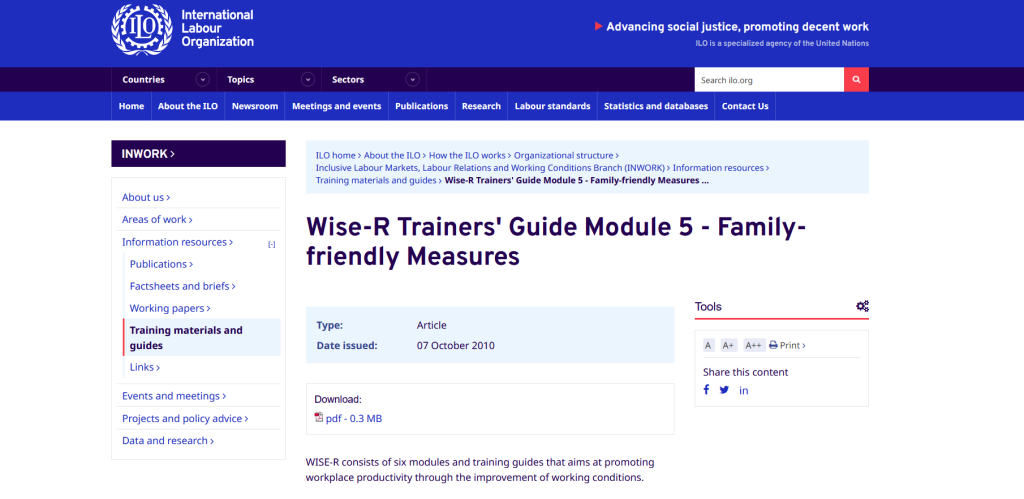
WISE-R consists of six modules and training guides that aims at promoting workplace productivity through the improvement of working conditions.WISE-R Module 5 on Family-friendly measures will help you:1. To understand family responsibilities and their link with your business and productivity;2.…
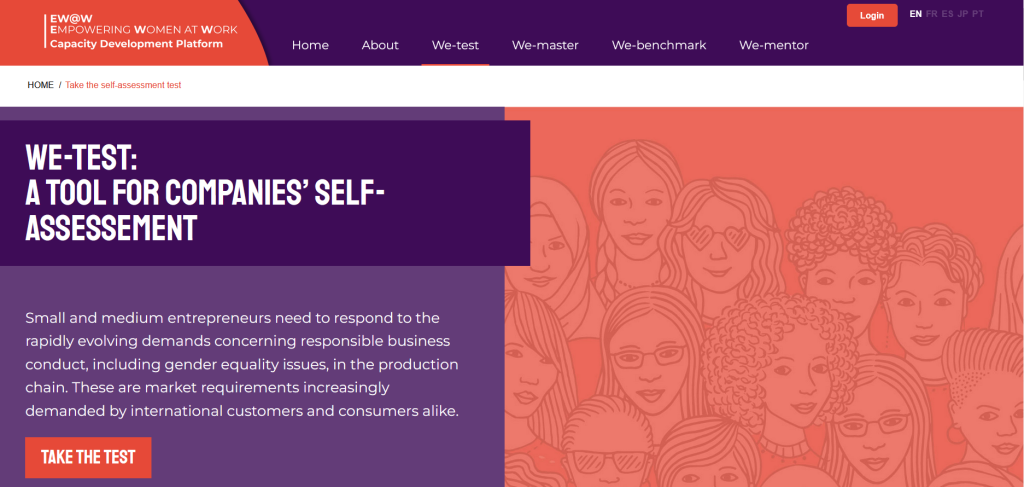
Small and medium entrepreneurs need to respond to the rapidly evolving demands concerning responsible business conduct, including gender equality issues, in the production chain. These are market requirements increasingly demanded by international customers and consumers alike.
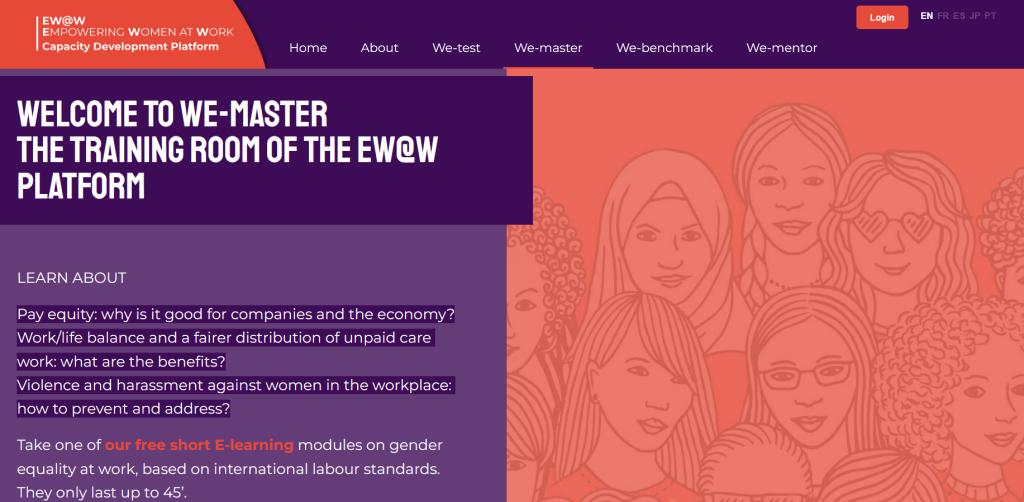
Pay equity: why is it good for companies and the economy?Work/life balance and a fairer distribution of unpaid care work: what are the benefits?Violence and harassment against women in the workplace: how to prevent and address?