With your permission we measure how the site is used and show content from other services: Google Maps, YouTube, Spotify. Accept or reject all of it, or choose in your preferences. You can change this at any time from Privacy preferences at the foot of every page. Privacy policy
The pandemic has made access to early learning and child care a universal issue that is resonating across sectors, regions, and income brackets. School and child care centre closures have been difficult for parents. Some have had to leave their…
This research would not have been completed without the perseverance and dedication of those who participated in the collection and validation of the data as well as in the preparation of the report. Undertaking a study amidst the mobility restrictions…
In recent years, there have been ongoing efforts to understand the concept of quality in early childhood settings, and to better design policy and program initiatives that enhance quality. A growing body of evidence suggests that “process quality, that is…
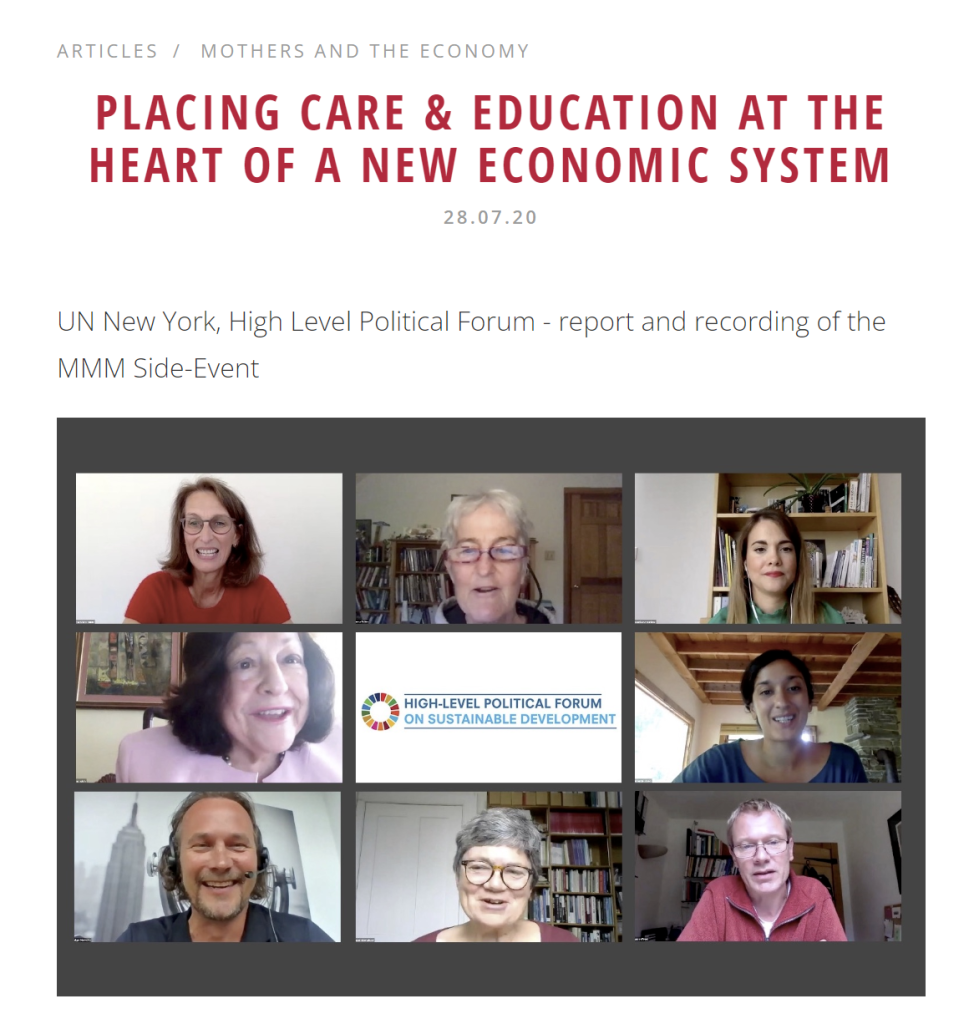
On 16 July 2020, MMM organized a webinar on ‘Care and education – Cornerstones of just and sustainable economies’ to discuss the economics of care and education. This HLPF side-event aimed at contributing to the current discussions on ‘building back…
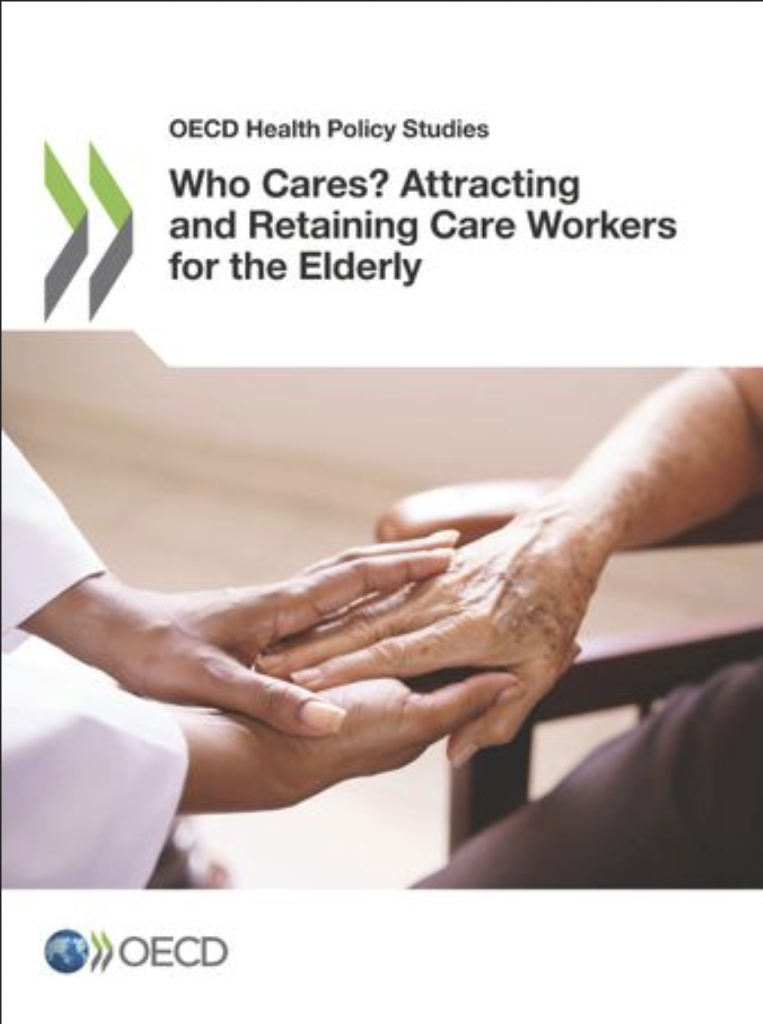
Este informe presenta la evaluación transnacional más actualizada y completa de los trabajadores de cuidados de larga duración (LTC), las tareas que desempeñan y las políticas para hacer frente a la escasez en los países de la OCDE. Destaca la…
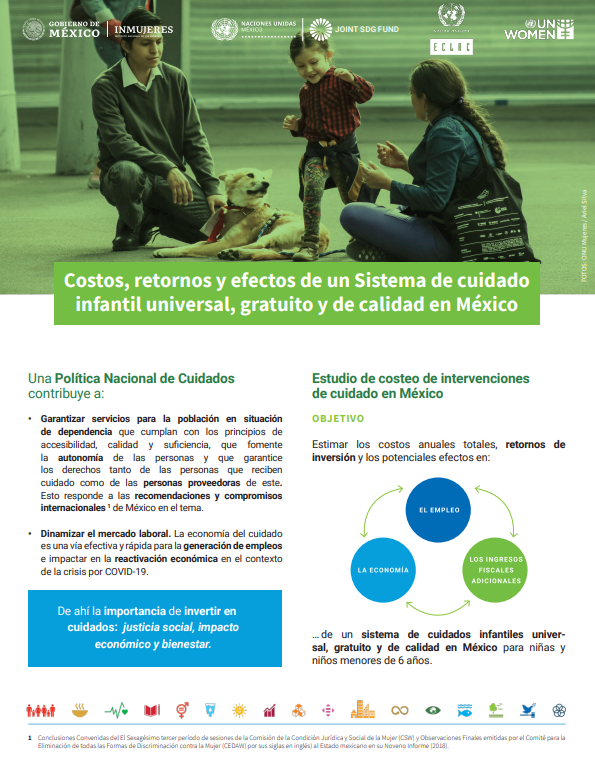
UN Women Mexico, in collaboration with INMUJERES and with support from ECLAC's Subregional Headquarters in Mexico, has developed a series of three studies on the costs and returns of investing in care for children under 6 years of age, for…
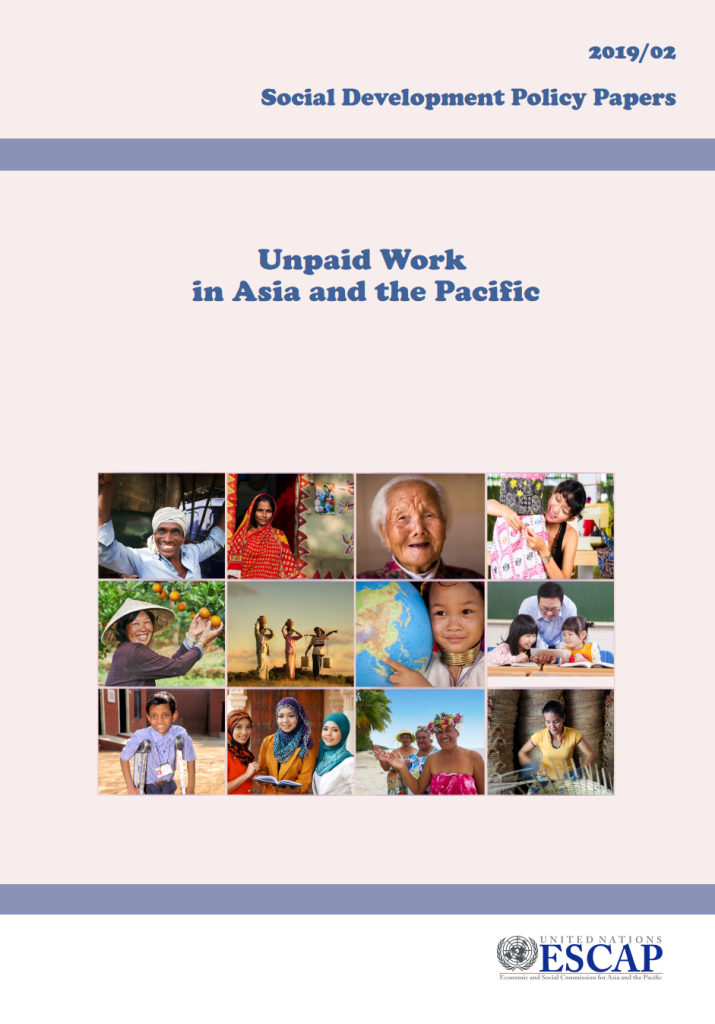
Women in Asia and the Pacific work the longest hours in the world. On average, women in the region worked 7.7 hours daily, of which only 3.3 hours are paid, and the rest are dedicated to unpaid care work. If…
Although there is a significant amount of public care services in Mexico, a large part of care is provided through unpaid activities that are governed by patterns of solidarity within households, for which women are responsible, generating significant conditions of…
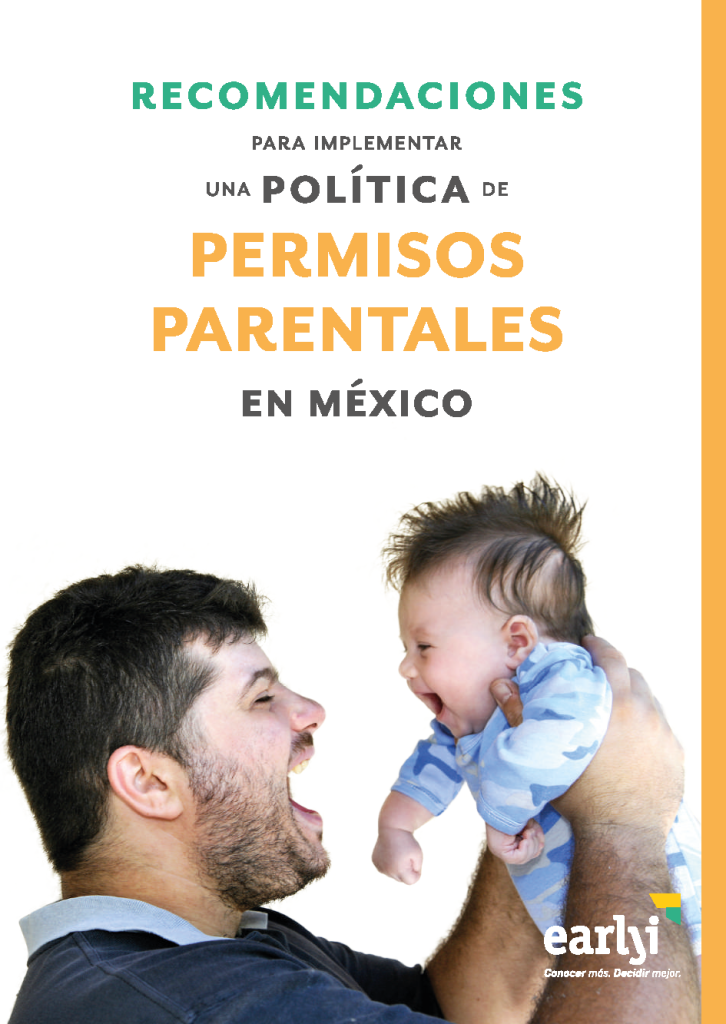
This report reviews leave policies for working mothers and fathers in Mexico, analyzes their progress internationally, and provides recommendations to decision-makers to benefit caregivers and children.
This research addresses from a feminist perspective and with a human rights approach, the provision of care offered by the Mexican State in the country, identifying the economic and budgetary bases of the co-responsibility of the State in care work,…
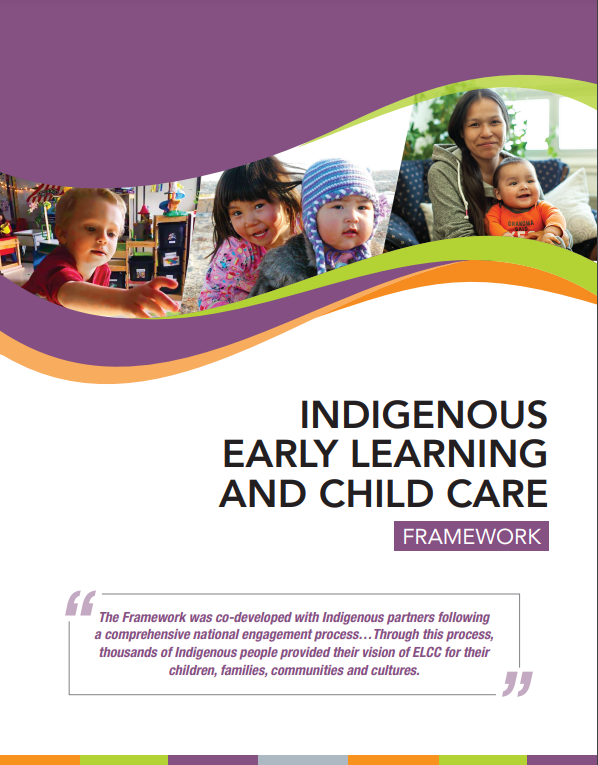
The Indigenous Early Learning and Child Care Framework represents the Government of Canadaand Indigenous peoples’ work to co-develop a transformative Indigenous framework that reflectsthe unique cultures, aspirations and needs of First Nations, Inuit and Métis children across Canada.The Framework sets…
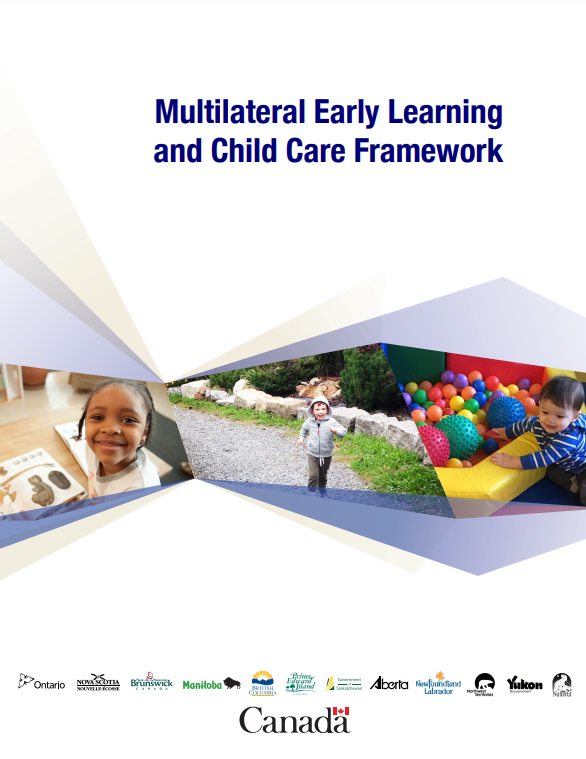
Federal, Provincial and Territorial Ministers Most Responsible for Early Learning and Child Care agree1 onthe importance of supporting parents, families and communities in their efforts to ensure the best possible futurefor their children. Ministers also recognize that quality early learning…
This document presents an analysis of the current state of maternity and paternity leaves in Argentina. It also presents five principles that should be incorporated into the modification of the current licensing scheme.
This document addresses the situation of two occupations that present extreme contrasts regarding the care of children in Argentina: teaching in early childhood and primary education, and domestic work in private homes. For these two cases, a characterization and analysis…