With your permission we measure how the site is used and show content from other services: Google Maps, YouTube, Spotify. Accept or reject all of it, or choose in your preferences. You can change this at any time from Privacy preferences at the foot of every page. Privacy policy
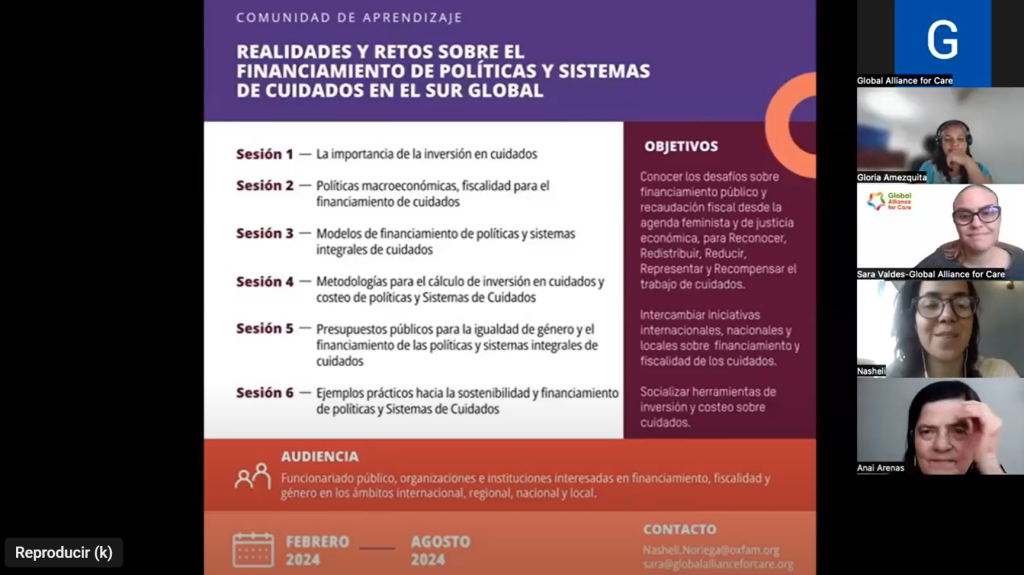
During the first session “The importance of care for women's rights”, held on February 21, 2024, the centrality of care and the importance of investing in this agenda from a macroeconomic perspective were discussed.Panelists: Alma Espino, Coordinator of the Development…
The EU-LAC Foundation, UN Women, and the Economic Commission for Latin America and the Caribbean (ECLAC), in partnership with the Global Alliance Care, the National Institute of Women of Mexico (INMUJERES), the United Nations Development Programme (UNDP), and the Ministry…
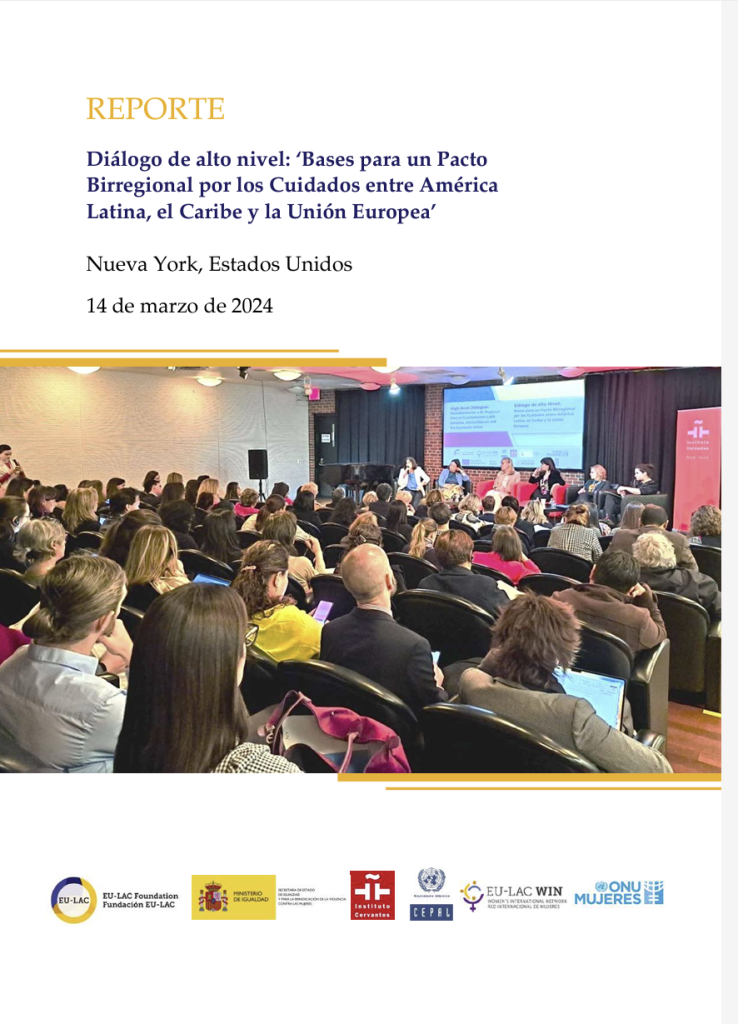
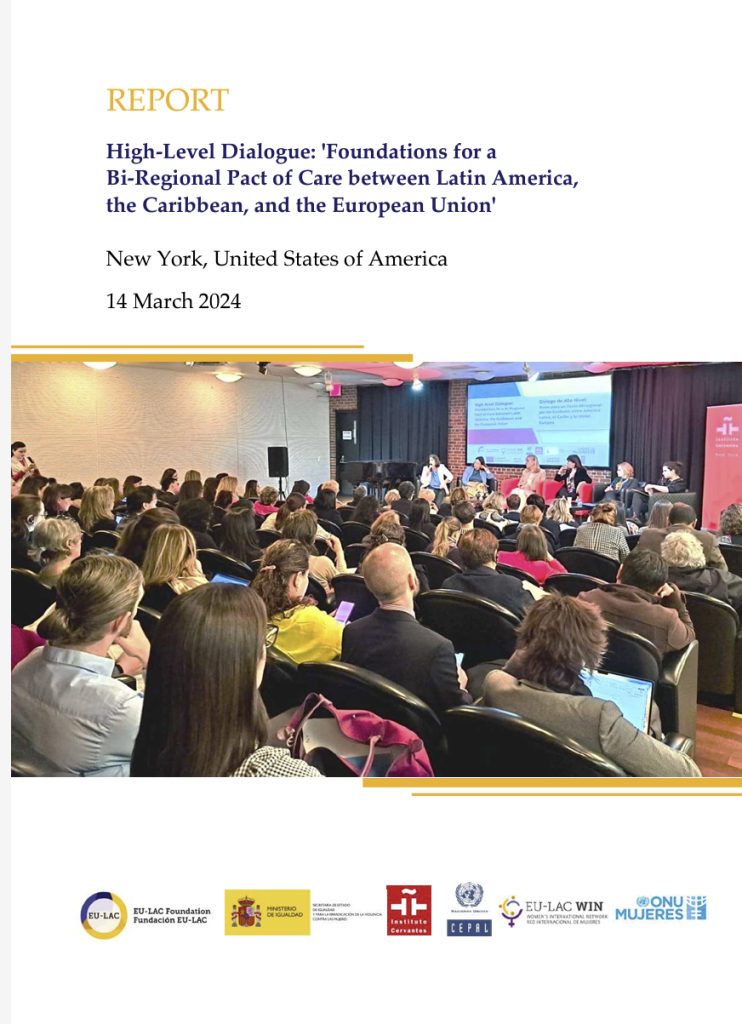
On 14th March 2024, the EU-LAC Foundation, UN Women, and the Economic Commission for Latin America and the Caribbean (ECLAC), in partnership with the Global Alliance for Care, the National Institute of Women of Mexico (INMUJERES), the United Nations Development…
In 2021, the Carolina Foundation and UNRISD launched a project of multiple voices focused on reflecting in a situated and critical way on some of the most pressing challenges in the Latin American region in relation to gender justice. After…
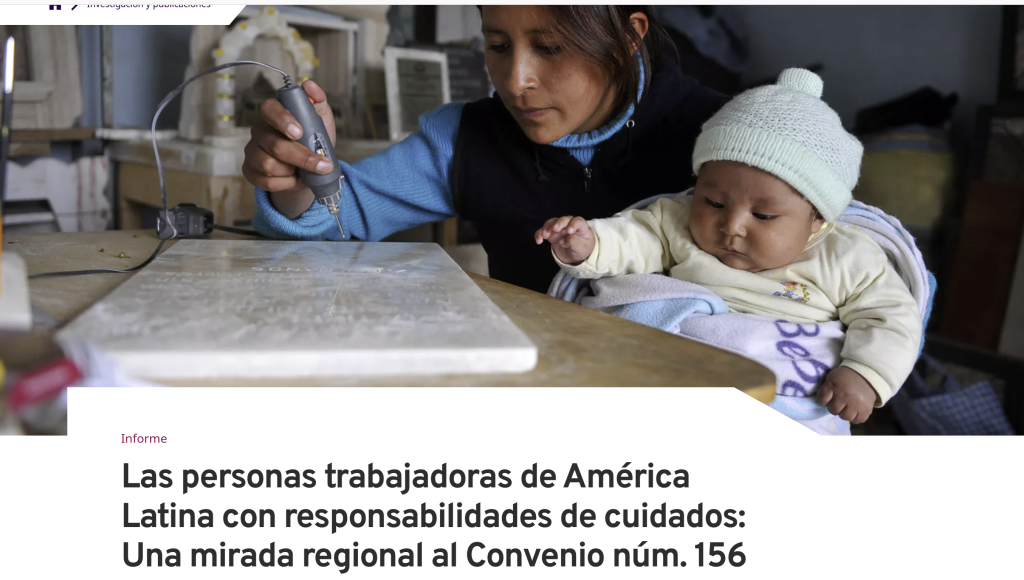
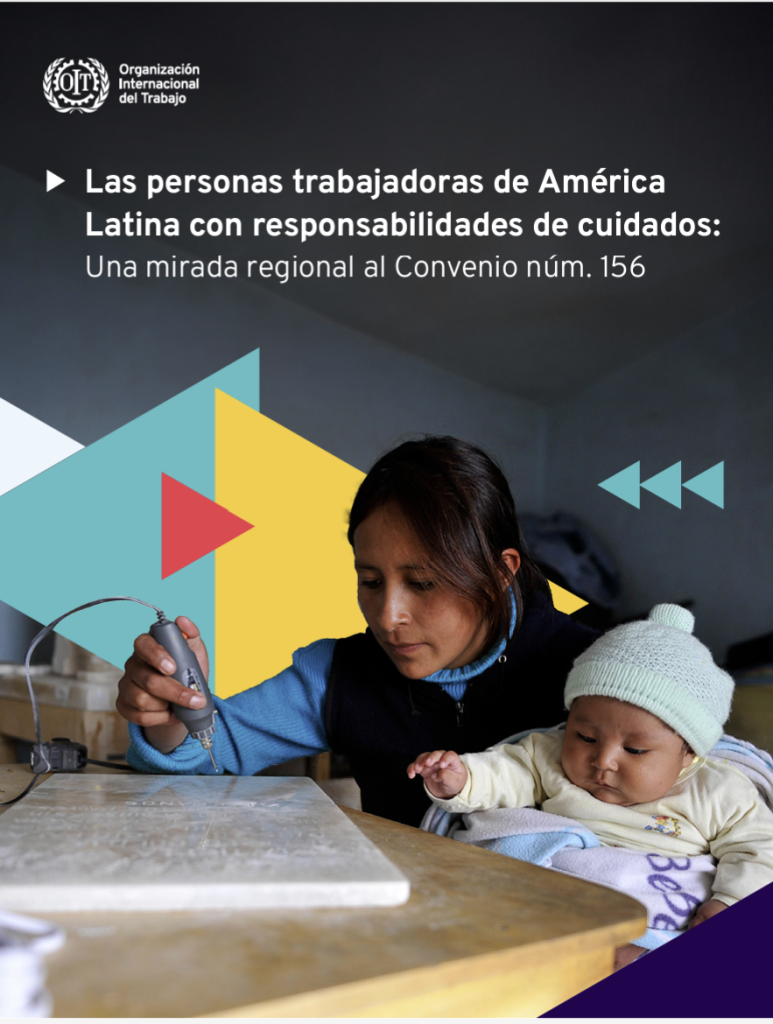
This regional report seeks to provide context for the discussion on “Decent work and the care economy” that will take place during the 112th session (2024) of the International Labor Conference.
This paper seeks to investigate the progress made in the recognition of the right to care through the decisions of the Colombian Constitutional Court, particularly with regard to the care of children and adolescents.the decisions of the Colombian Constitutional Court,…
This document is a practical guide aimed primarily at promoting strategies to improve access to social protection, develop comprehensive early childhood actions, ensure the educational inclusion of adolescents who are out of school, create healthy environments, promote sexual and reproductive…
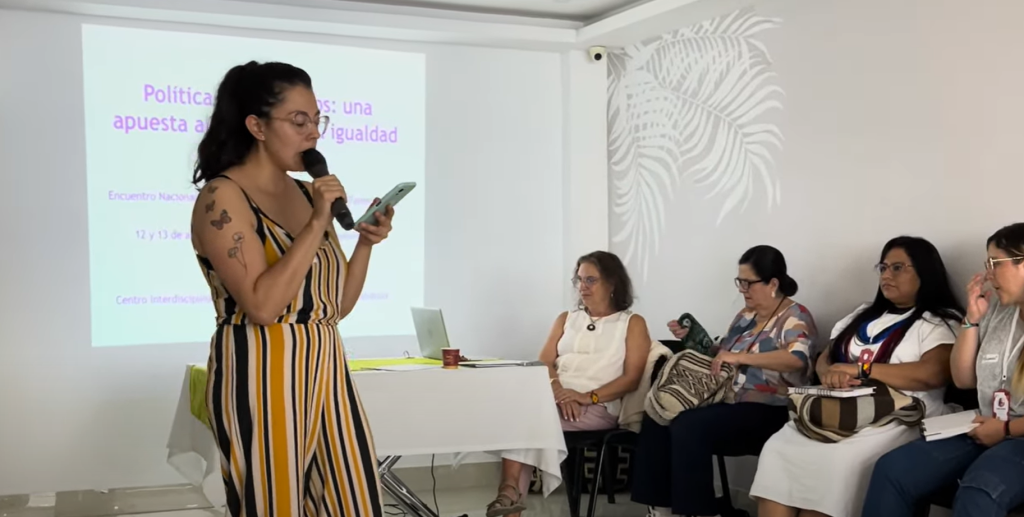
To generate a space for dialogue and reflection on the democratization of care work as a transforming axis of society from the private sphere, the responsibility of the state and the community, with a feminist approach and participatory masculinities.
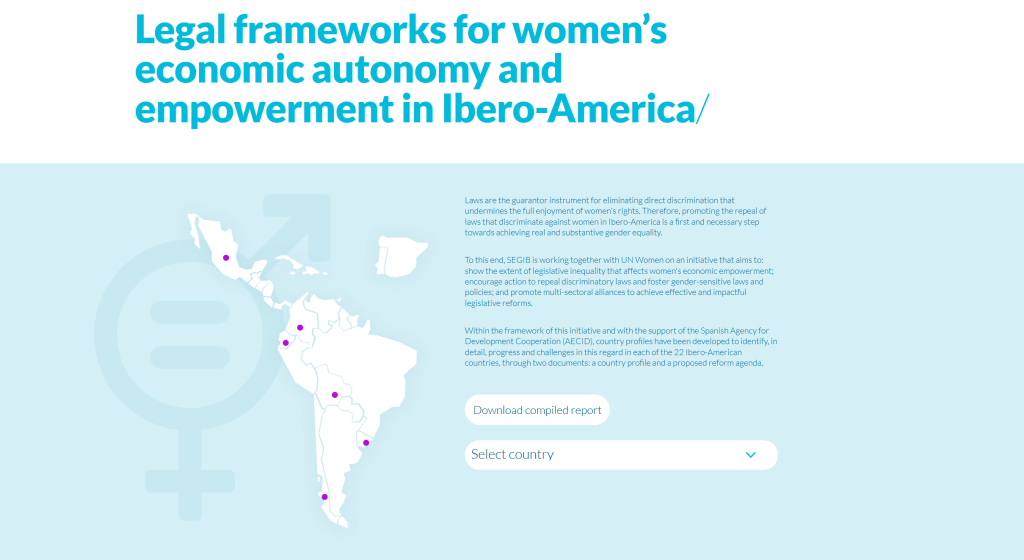
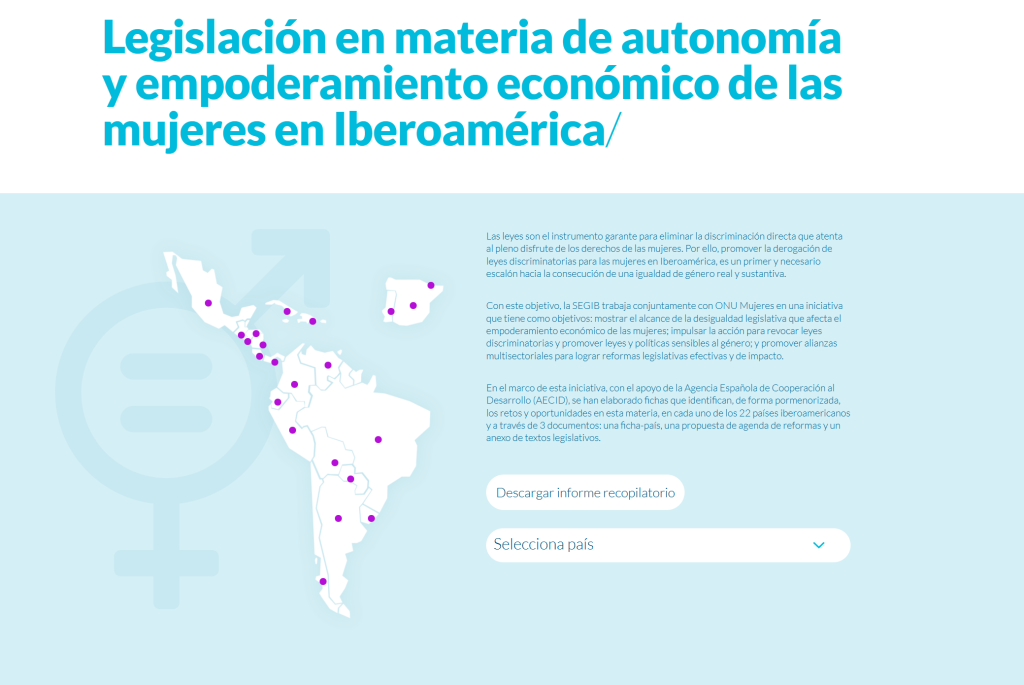
Laws are the guarantor instrument for eliminating direct discrimination that undermines the full enjoyment of women's rights. Therefore, promoting the repeal of laws that discriminate against women in Ibero-America is a first and necessary step towards achieving real and substantive…
Laws are the guarantor instrument for eliminating direct discrimination that undermines the full enjoyment of women's rights. Therefore, promoting the repeal of laws that discriminate against women in Ibero-America is a first and necessary step towards achieving real and substantive…
During the first session “The importance of care for women's rights”, held on February 21, 2024, the centrality of care and the importance of investing in this agenda from a macroeconomic perspective were discussed.Panelists: Alma Espino, Coordinator of the Development…
This technical note contains a case study on the elderly care service program called “Day Care Center” of the Social Health Care Center for the Elderly (CASSAAM) of the Mexican Social Security Institute (IMSS). The study describes and analyzes the…
During the first session "The importance of care for women's rights", on February 21, 2024, the centrality of care and the importance of investing in this agenda from a macroeconomic perspective were discussed.Panelists: Alma Espino, Coordinator of the Development and…
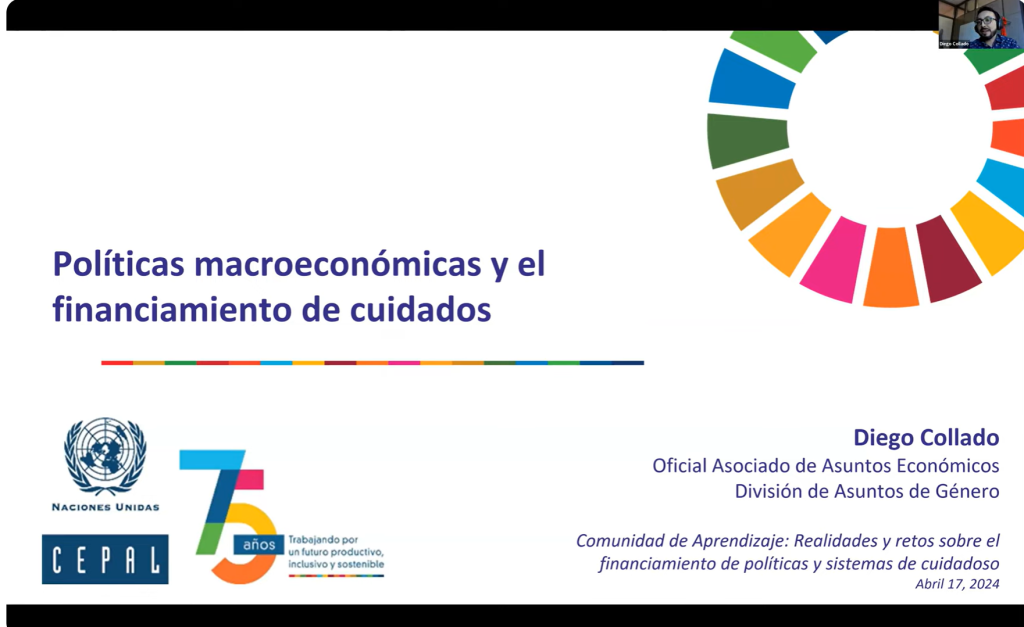
During the second session "Macroeconomic policies and the financing of care", on April 17, 2024, an exchange was facilitated around the policies and actions necessary to create a fiscal space that allows for the financing of fair, sustainable, and feminist…
Analysing the intersection between gender, employment and care, the ILO presents a detailed report that calls for transformative action to redistribute care work around co-responsibility and social justice.
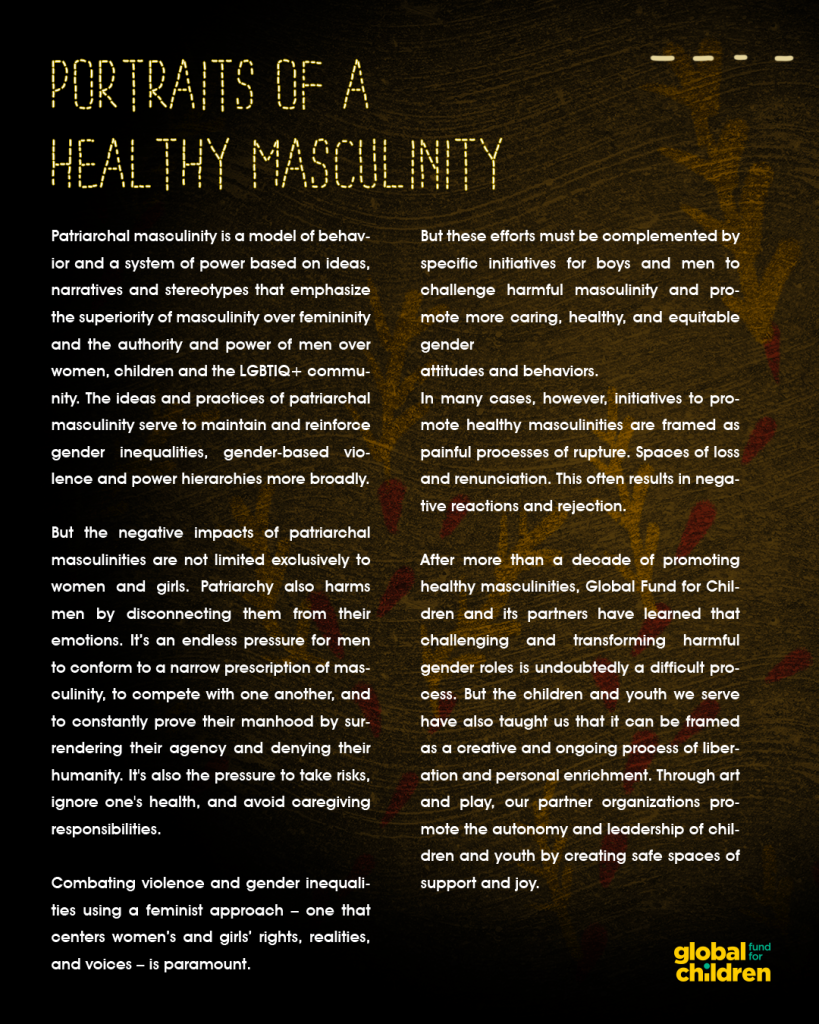
Harmful gender stereotypes and expectations not only limit the potential of girls and young women; they also prevent boys and men from fully developing their strengths, emotions, and identities.At Global Fund for Children, we are committed to advancing the rights…
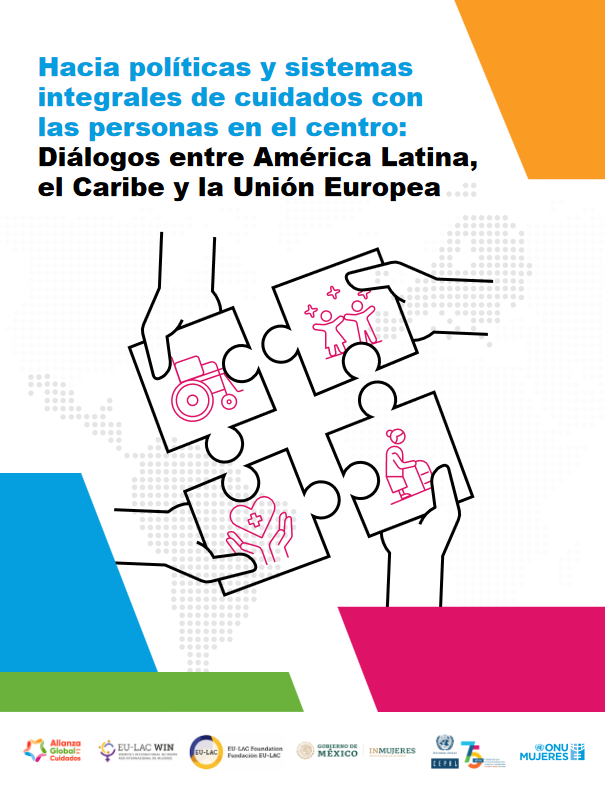
To promote the care agenda, the EU-LAC Foundation, through the EU-LAC International Women’s Network, in close collaboration with UN Women for the Americas and the Caribbean, the Economic Commission for Latin America and the Caribbean (ECLAC), the Global Alliance for…
To promote the care agenda, the EU-LAC Foundation, through the EU-LAC International Women’s Network, in close collaboration with UN Women for the Americas and the Caribbean, the Economic Commission for Latin America and the Caribbean (ECLAC), the Global Alliance for…
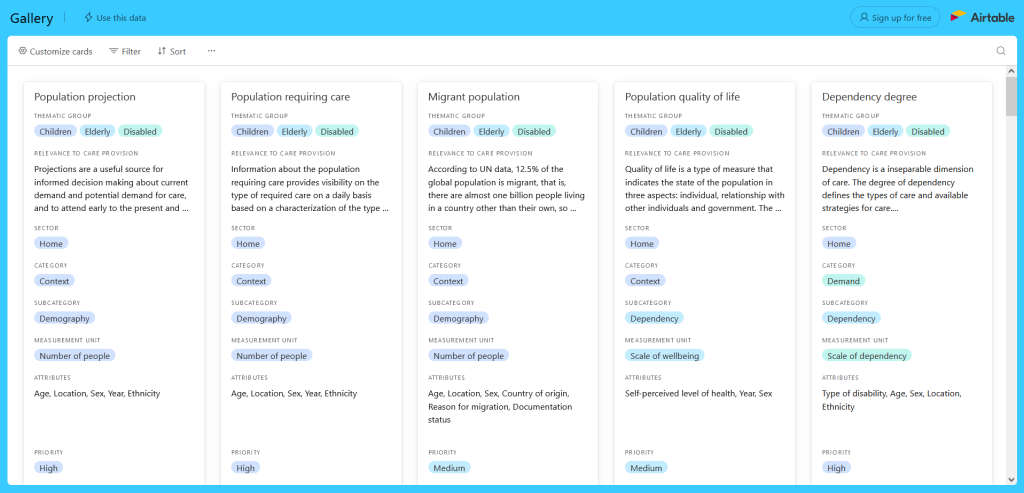
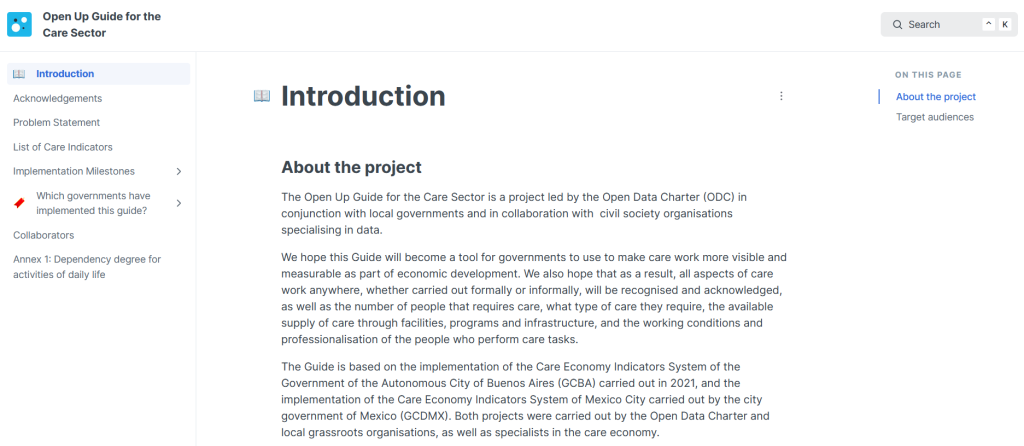
The Open Up Guide for the Care Sector is a project led by the Open Data Charter (ODC) in conjunction with local governments and in collaboration with civil society organisations specialising in data. We also hope that as a result,…