With your permission we measure how the site is used and show content from other services: Google Maps, YouTube, Spotify. Accept or reject all of it, or choose in your preferences. You can change this at any time from Privacy preferences at the foot of every page. Privacy policy
Early childhood development (ECD) practitioners are a critical cadre in the ECD workforce, providingearly care and learning opportunities to young children in South Africa through a variety of deliveryplatforms, and engaging parents to support them in creating a nurturing and…
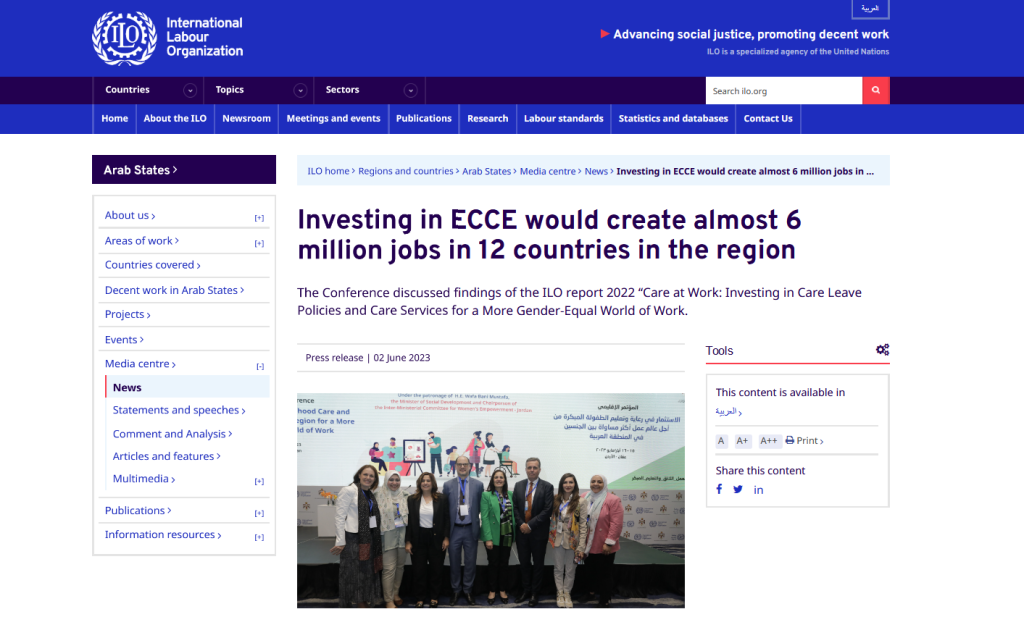
The Conference discussed findings of the ILO report 2022 “Care at Work: Investing in Care Leave Policies and Care Services for a More Gender-Equal World of Work. ILO called for the urgent investment in ECCE as this would support a…
The Advisory Board for Care was established in September 2021 in response to the need to set up a stable participatory mechanism to accompany the Ministry of Equality and the Women's Institute in its agenda on public care policies. It…
The ILO, with the support of the Bill & Melinda Gates Foundation, has developed the Care Policy Investment Simulator, the largest online care policy modelling tool that once launched will be available for the general public. Containing data from more…
The article presents a description of the different stages of work carried out by Open Data Charter for the building of the Mexico City Care Indicator System.
The talkshow discusses about the care economy and a great involvement of women in the care economy. It is growing as the demand for childcare and care for the elderly is increasing in all regions. It will thus create a…
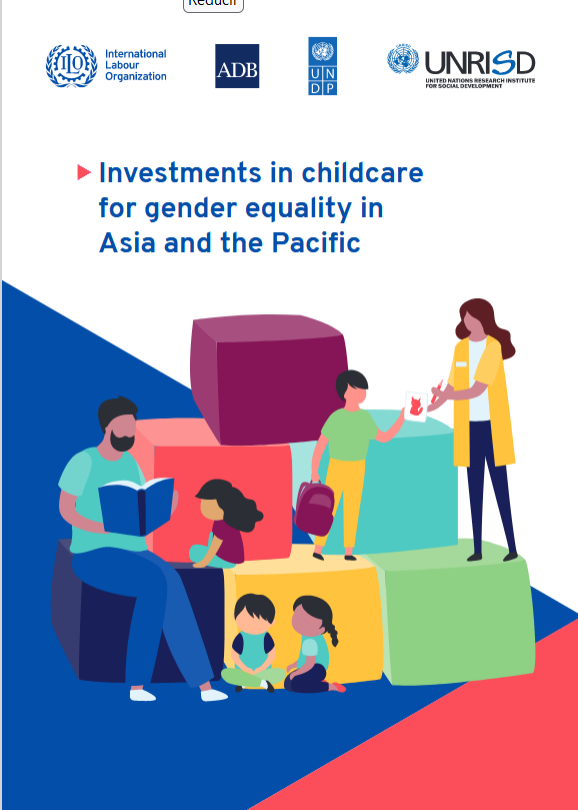
This is a study on the public provision of childcare across 48 economies in Asia and the Pacific through the lens of accessibility, affordability, quality, and decent work for childcare workers. Based on its findings the study offers recommendations for…
This document provides a research and systematization of various experiences in childcare centers for children aged 45 days to 5 years in companies, consortiums of companies, chambers of interest, and other private sector organizations, both nationally and regionally. It presents…
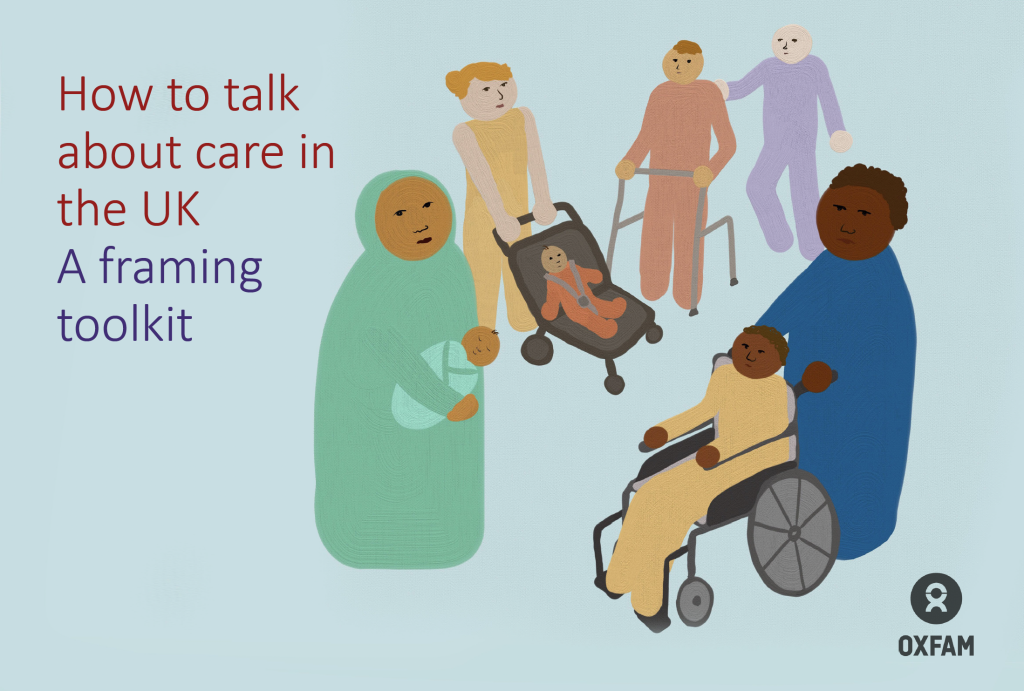
In this toolkit you will find some helpful recommendations and tools that can be used flexibly by anyone who wants to talk more effectively about the value of all care, paid and unpaid, to the UK general public.
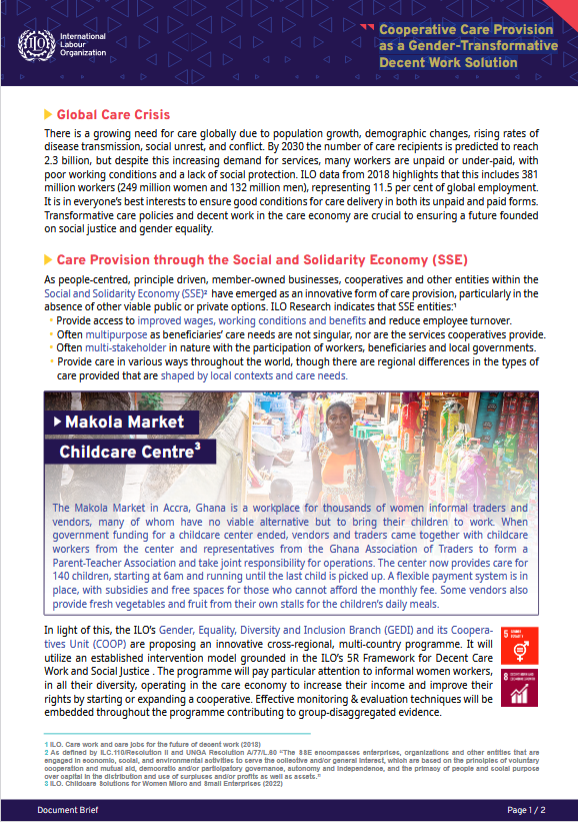
There is a growing need for care globally due to population growth, demographic changes, rising rates of disease transmission, social unrest, and conflict. By 2030 the number of care recipients is predicted to reach 2.3 billion, but despite this increasing…
This Technical Note provides guidance on how to use the online ILO Care Policy Investment Simulator by explaining the underlying methodology, calculations and results. The Simulator helps build tailor-made care policy investment packages to fill national gaps on care leave…
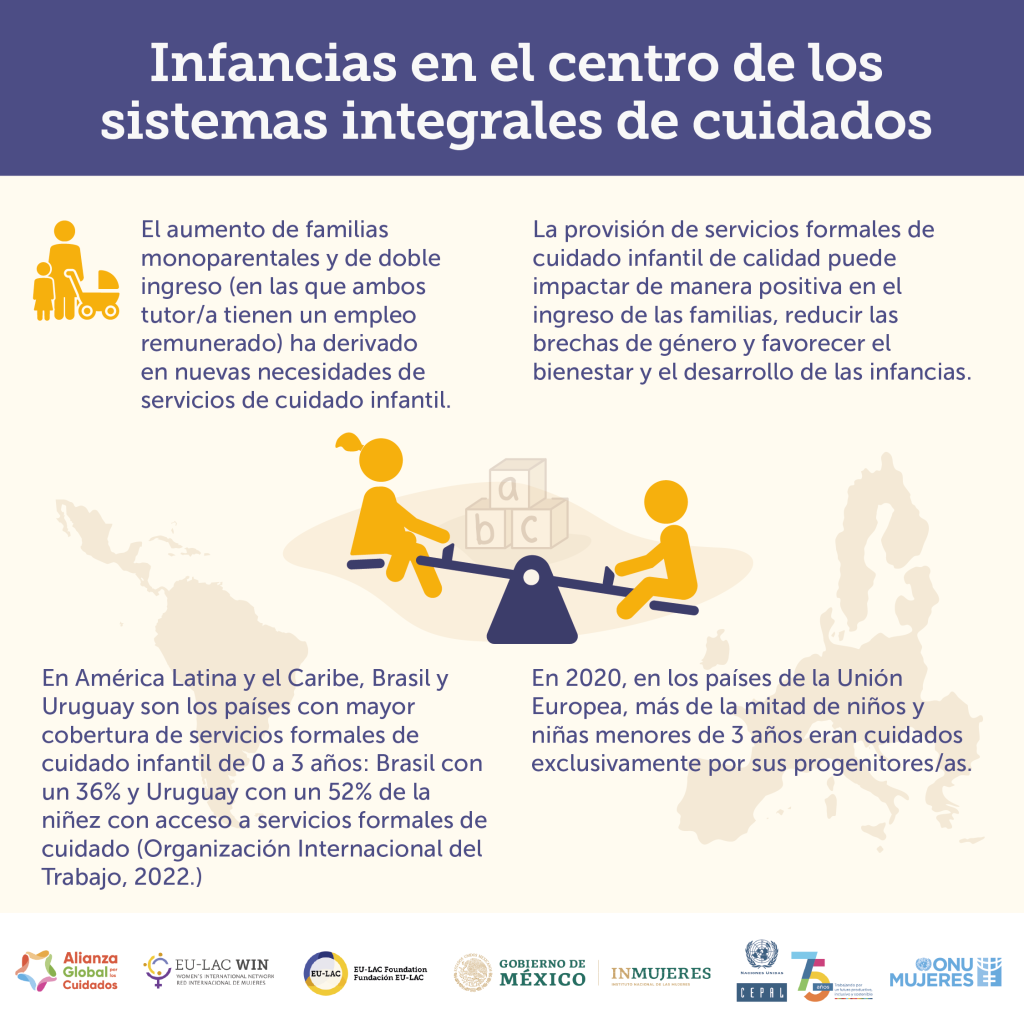
In the World Children's Day framework, we reflect on the importance of care work, reducing gender gaps, and promoting the well-being of children, parents, and caregivers.Childcare services must be accessible to all, and they are the key to a more…
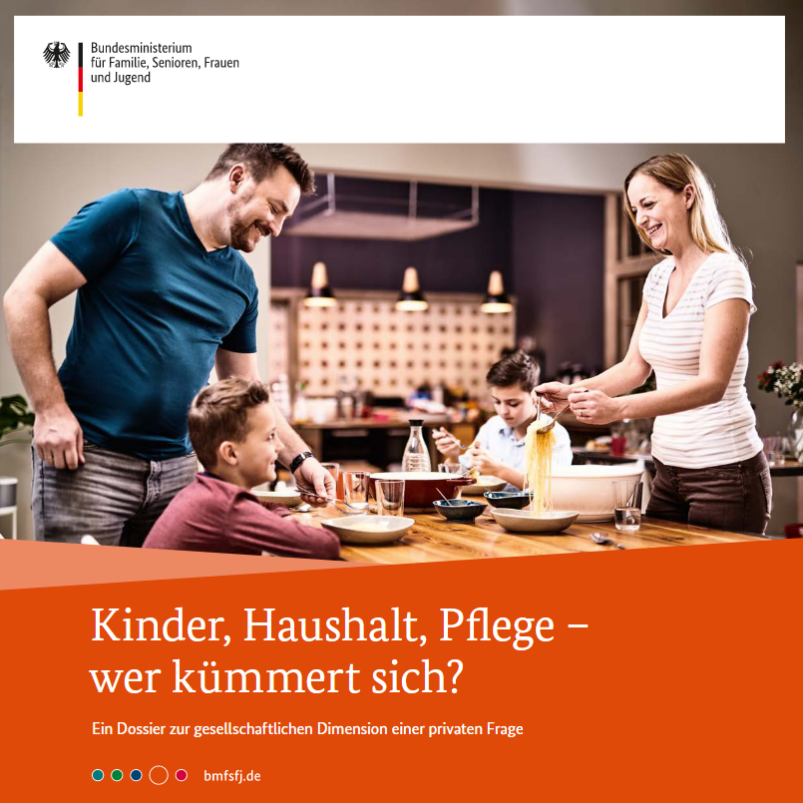
The dossier looks at the distribution of unpaid care work between women and men and examines why women spend more time than men on household management, caring for and looking after children and adults, as well as on voluntary work…
Unpaid care work amounts to an astronomical figure of 2 billion hours per day in the world of which three quarters are performed by women. This reality explains, to a large extent, the little progress that has been seen in…
This meeting was held on 26 July 2022 and focused on formulating evidence-based policies to recognise care work.With speakers: Neeraja Penumetcha, Senior Manager of Programs & Operations at Data2X, Shelby Bourgault, Research Associate at the Center for Global Development and…