With your permission we measure how the site is used and show content from other services: Google Maps, YouTube, Spotify. Accept or reject all of it, or choose in your preferences. You can change this at any time from Privacy preferences at the foot of every page. Privacy policy
This report describes the state of the unpaid care economy in ASEAN countries. By examining the socioeconomic, political, legislative and institutional conditions in each country of ASEAN, this report highlights examples of promising policy measures undertaken either prior to the…
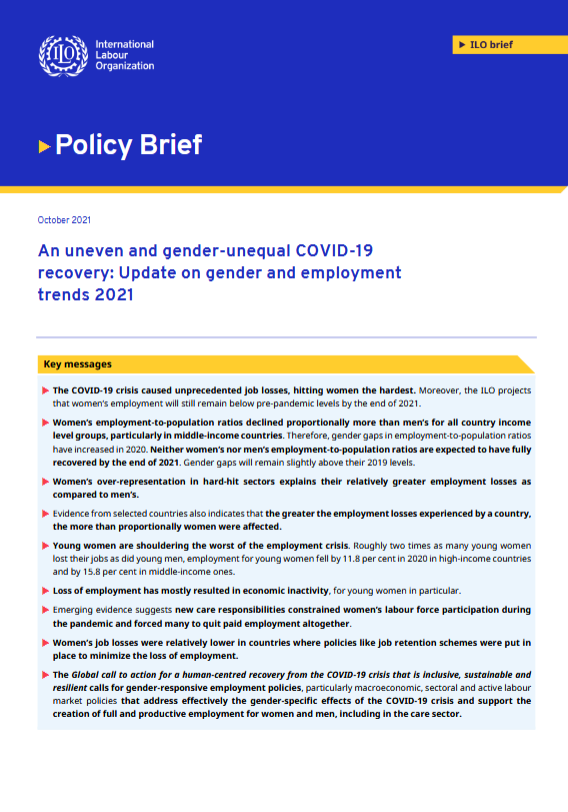
Key Messages - The COVID-19 crisis caused unprecedented job losses, hitting women the hardest. Moreover, the ILO projects that women’s employment will still remain below pre-pandemic levels by the end of 2021.- Women’s employment-to-population ratios declined proportionally more than men’s…
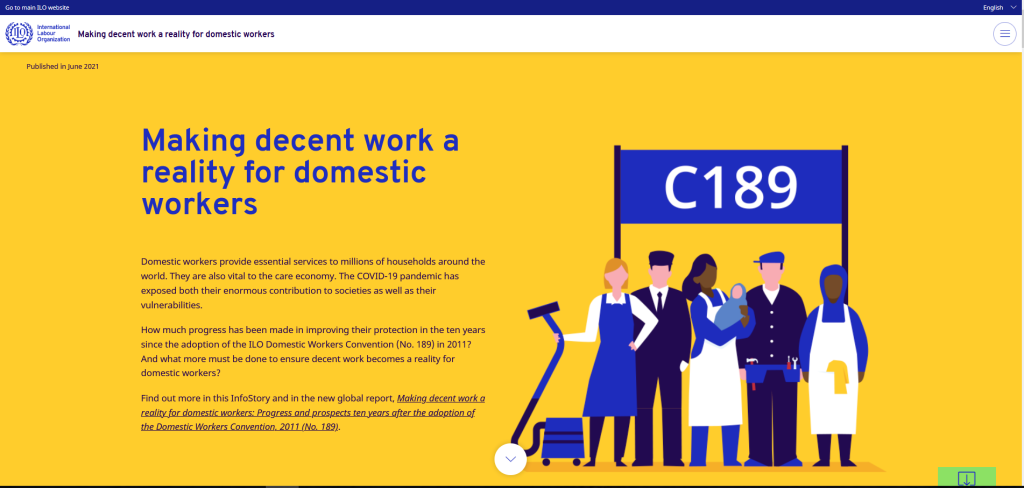
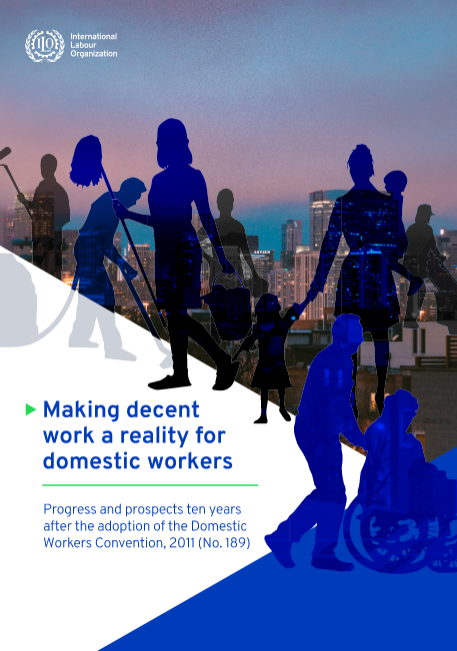
Domestic workers provide essential services to millions of households around the world. They are also vital to the care economy. The COVID-19 pandemic has exposed both their enormous contribution to societies as well as their vulnerabilities.How much progress has been…
The regional project FESminismos - The Future is Feminist of the Friedrich Ebert Foundation (FES) is an initiative that seeks to strengthen feminist voices and activism in Latin America and the Caribbean through meetings and exchanges, to link and articulate…
The video shows the business case for work-life balance and how enterprises can take concrete action to promote the equal sharing of care responsibilities.
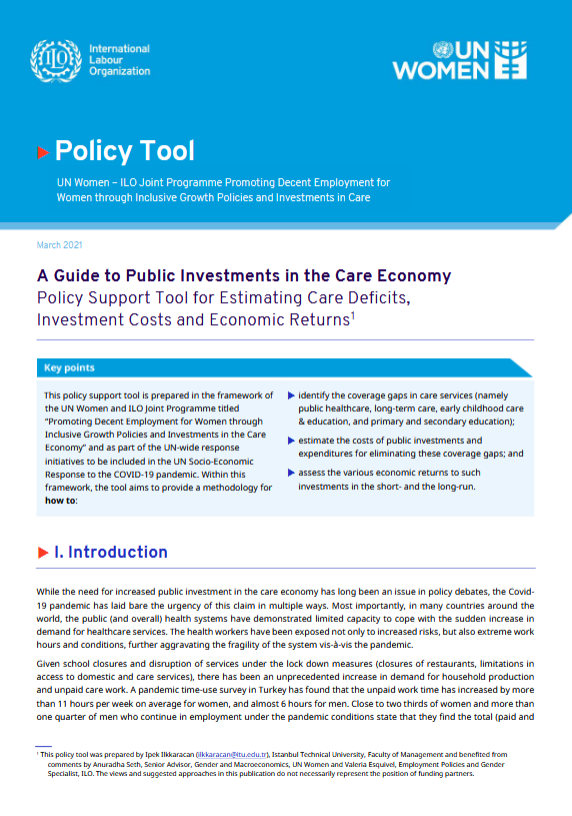
Key points: - UN Women – ILO Policy Tool 1 A Guide to Public Investments in the Care Economy.- Policy Tool March 2021 A Guide to Public Investments in the Care Economy.- Policy Support Tool for Estimating Care Deficits, Investment…
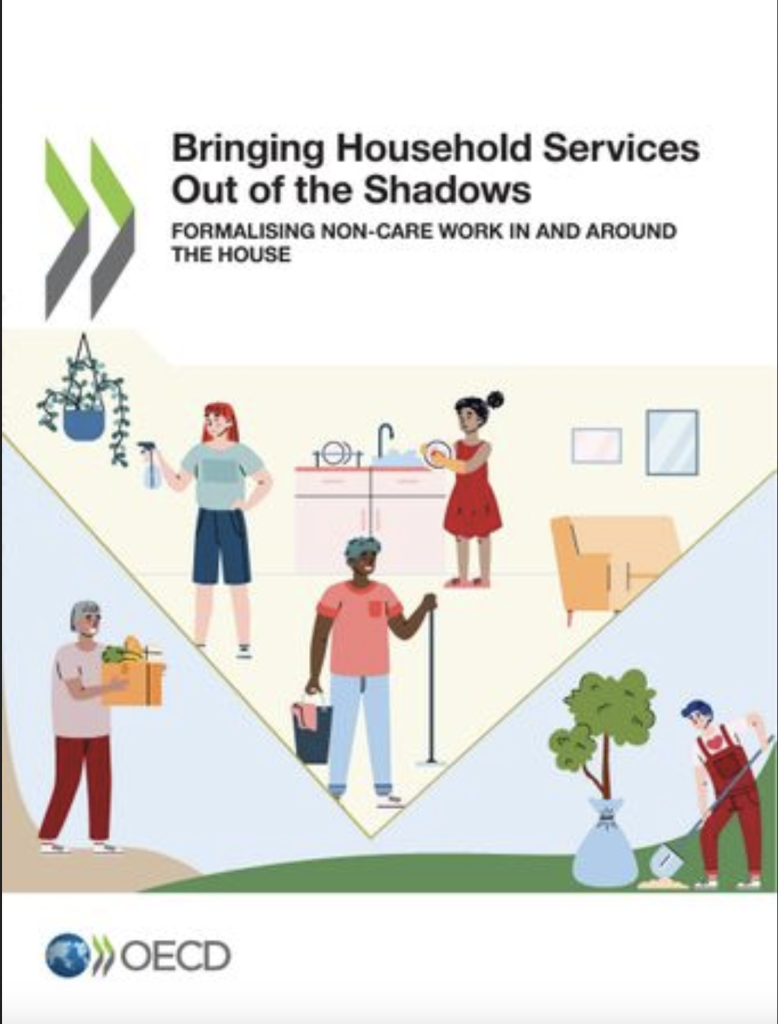
Despite years of growth in the number of women in paid work, gender roles in unpaid housework have remained remarkably rigid. Unpaid housework can be outsourced to non-care household service providers, such as cleaners or housekeepers, however, high prices, a…
The General Conference of the International Labour Organization, Having received the proposal made by the Conference Committee on the Response to COVID-19, Considering the urgent need for action to ensure a human-centred recovery from the COVID-19 crisis that is inclusive,…
The publication of this report, in the midst of a devastating global health pandemic, could not have come at a more critical time for domestic workers. This crisis has highlighted the vital role that they play in supporting the care…
We are at an inflection point in history. The COVID-19 pandemic has served as a wake-up call and with the climate crisis now looming, the world is experiencing its biggest shared test since the Second World War.Humanity faces a stark…
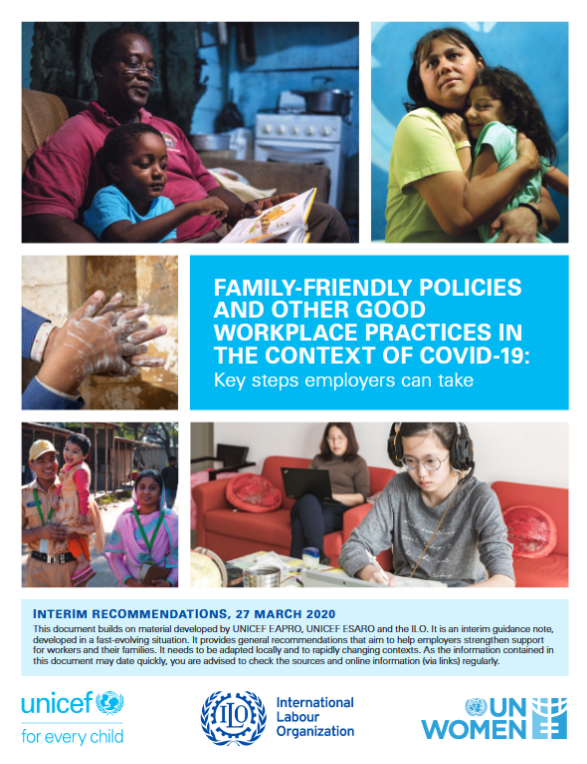
The consequences of the coronavirus disease (COVID-19) outbreak are unprecedented and felt around the world. The pandemic is heavily affecting labour markets and economies, including global supply chains, leading to widespread business disruptions. With many businesses struggling to survive, loss…
The document focuses on the areas of decision-making, security and violence against women, women's care and economic rights, and women's health, with special emphasis on sexual and reproductive health. It also refers to groups that were vulnerable before the emergency…
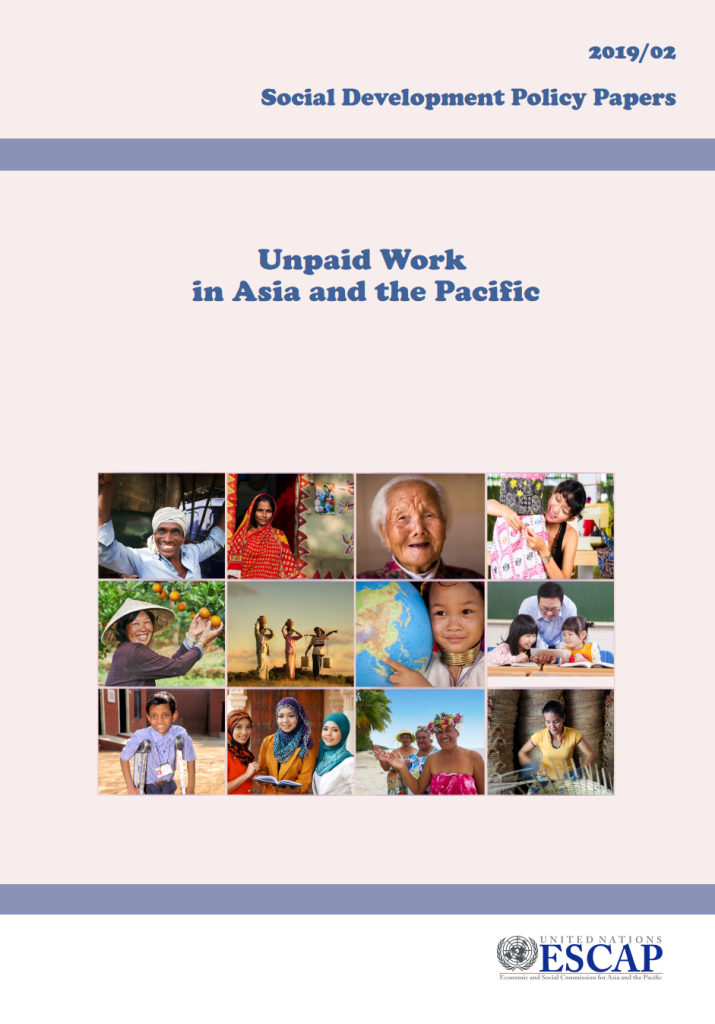
Women in Asia and the Pacific work the longest hours in the world. On average, women in the region worked 7.7 hours daily, of which only 3.3 hours are paid, and the rest are dedicated to unpaid care work. If…
The International Labour Conference, meeting in Geneva at its OneHundred and Eighth Session on the occasion of the Centenary of theInternational Labour Organization (ILO)
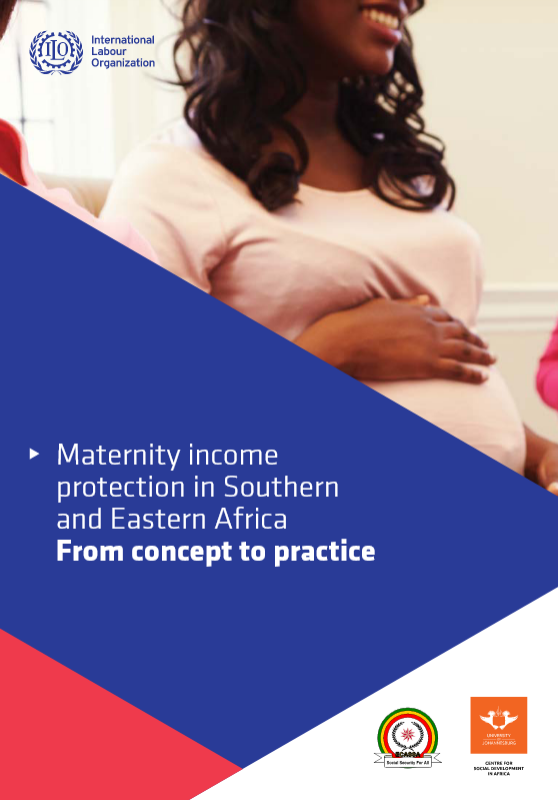
When maternity social insurance legislation was passed in Rwanda, the Executive Secretary of Pro-Femmes TweseHamwe, an umbrella of civil society organizations, Emma Bugingo said: “The Fund will help mothers to take a longer rest and to take care of their…
This training manual is targeted to domestic workers’ organizations, civil society, not for profit organizations and other entities that provide skills trainings to domestic workers. The manual aims to build the skills of domestic workers in the area of childcare…
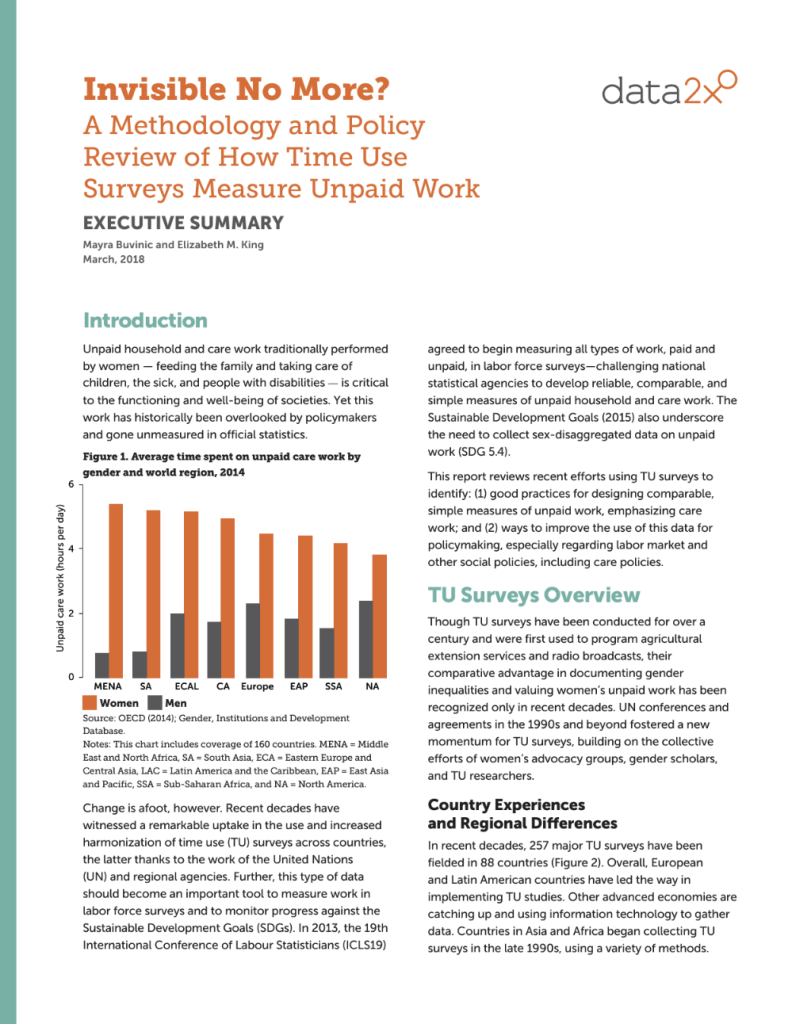
This resource summarizes Invisible No More, which reviews recent efforts using time use surveys to identify good practices for designing comparable, simple measures of unpaid household and care work, and to identify ways to improve the use of this data…
Care work and care jobs for the future of decent work is an important contribution to the ILO’s Women at Work Centenary Initiative and to the process that the ILO is un-dertaking to guide its work for social justice as…