With your permission we measure how the site is used and show content from other services: Google Maps, YouTube, Spotify. Accept or reject all of it, or choose in your preferences. You can change this at any time from Privacy preferences at the foot of every page. Privacy policy
The article examines the tensions between the right to motherhood and the right to work in Mexico, highlighting how pregnancy and breastfeeding continue to face structural barriers in the workplaces. It outlines for the recognition of care as a shared…
This document systematises the main findings, reflections and proposals arising from the "Laboratorio de Maternidades y Cuidados", a forum for technical and political dialogue held at the Mexican Chamber of Deputies in February 2026 to strengthen the legislative reform on…
The purpose of this report is to deepen understanding of the factors that drive the separation of children from their families and their placement in alternative care in various contexts, and to offer a set of key recommendations to prevent…
The aim of this report is to gain an in-depth understanding of the factors leading to the separation of children and their placement in alternative care in different contexts, and to provide key recommendations for preventing separations. The result of…
The report, Inspiring Governments to be Care Champions, documents six case studies from Canada, Mexico, Kenya, Zimbabwe, Philippines and Uruguay of care advocates pushing their governments to champion care rights and provisions in public policies. It’s a summary of the…
This report presents a comparative analysis of parental leave policies in various countries through April 2024. It examines maternity, paternity, and parental leave, as well as their relationship to early childhood care services.
To generate a space for dialogue and reflection on the democratization of care work as a transforming axis of society from the private sphere, the responsibility of the state and the community, with a feminist approach and participatory masculinities.
This report seeks to deepen understanding of the factors driving the separation of children from their families and their placement in alternative care, across diverse contexts, offering key recommendations for preventing separation. Compiled from research conducted over two years at…
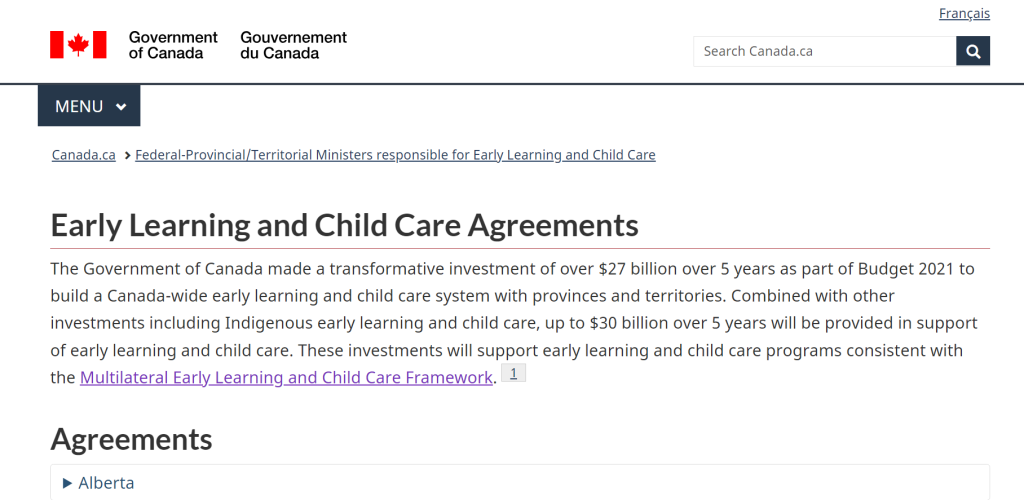
The Government of Canada made a transformative investment of over $27 billion over 5 years as part of Budget 2021 to build a Canada-wide early learning and child care system with provinces and territories. Combined with other investments including Indigenous…
Healthy pregnancies and healthy newborn children, combined with a measure of economic security, are an aspiration for all working mothers. Maternity protection at work supports this aspiration. Its goals are twofold: 1) to ensure that a woman’s economic activities do…
Seeking to galvanise action to repeal discriminatory laws and encourage the adoption of regulatory frameworks conducive to women's economic empowerment, the Ibero-American General Secretariat (SEGIB) and UN Women have been promoting the Legal Frameworks for Women's Autonomy and Economic Empowerment…
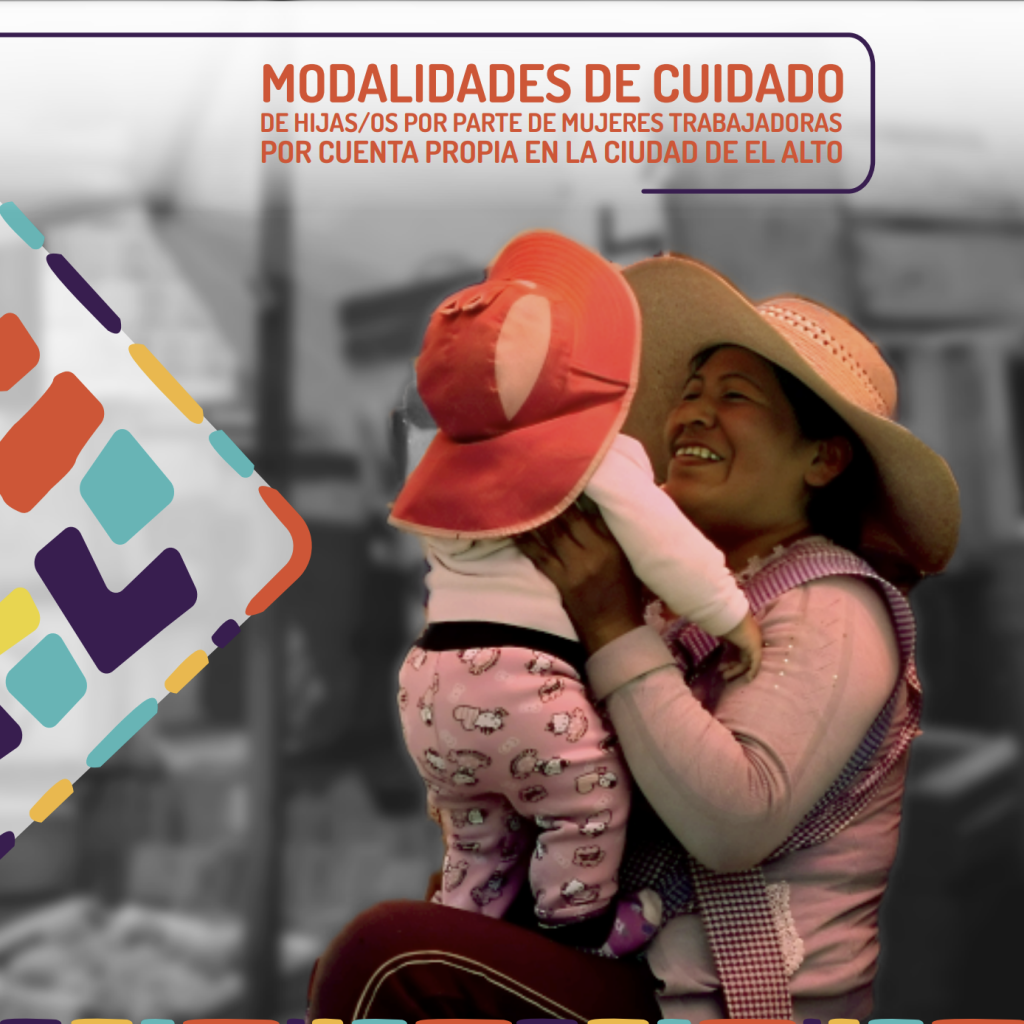
The following pages describe how self-employed women in El Alto take care of their children while they work. Reconciling work and family life is a constant challenge that translates into the deployment of different strategies that adapt to the age…
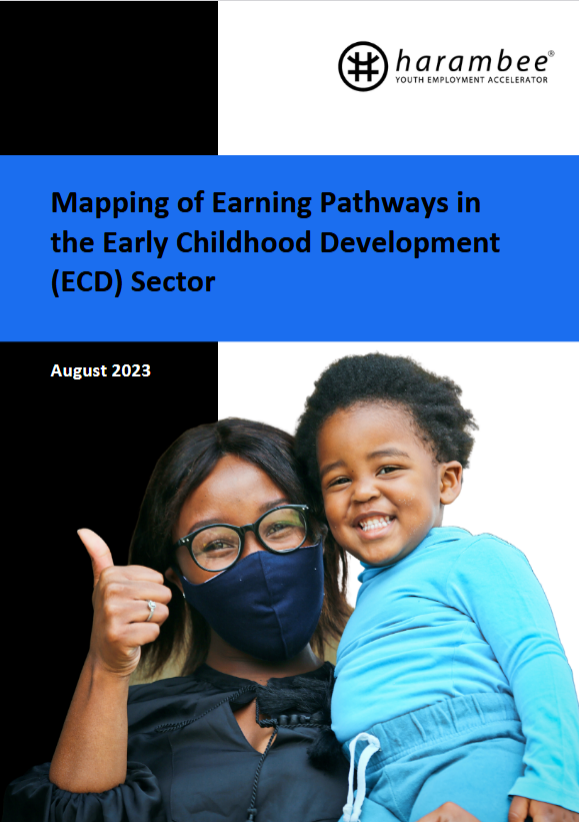
Early childhood development (ECD) practitioners are a critical cadre in the ECD workforce, providingearly care and learning opportunities to young children in South Africa through a variety of deliveryplatforms, and engaging parents to support them in creating a nurturing and…
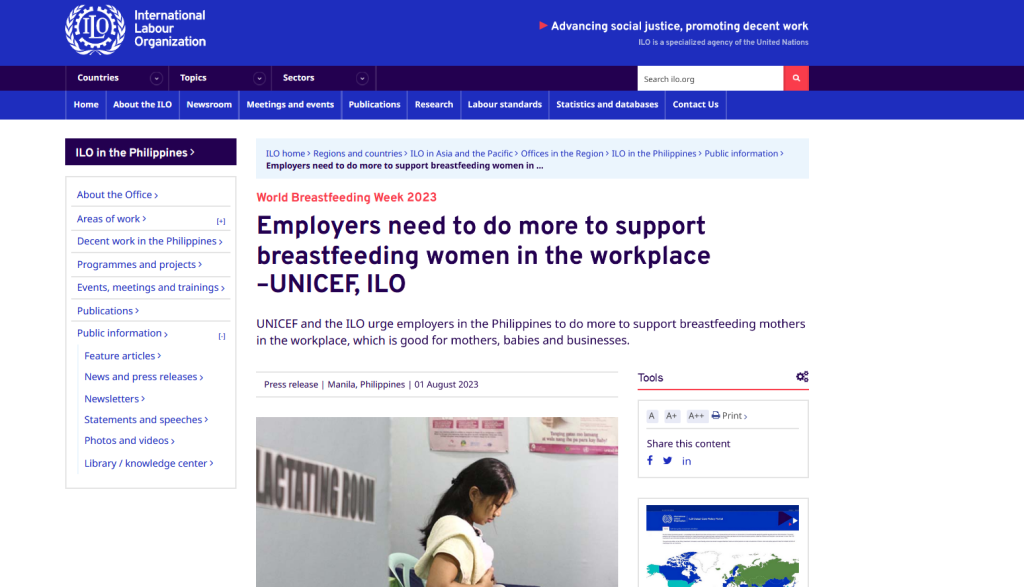
Manila, Philippines - In commemoration of World Breastfeeding Week on 1-7 August, the UN agencies for children and labour rights, UNICEF and the International Labour Organization (ILO), called on employers in the Philippines to do more to support breastfeeding women.…