With your permission we measure how the site is used and show content from other services: Google Maps, YouTube, Spotify. Accept or reject all of it, or choose in your preferences. You can change this at any time from Privacy preferences at the foot of every page. Privacy policy
WISE-R consists of six modules and training guides that aims at promoting workplace productivity through the improvement of working conditions.WISE-R Module 5 on Family-friendly measures will help you:1. To understand family responsibilities and their link with your business and productivity;2.…
Business activities touch the lives of billions of working parents and children, both in a company’s own operations and global supply chains. The COVID-19 pandemic has thrown into sharp relief the need for comprehensive Government and business policies that protect…
Care work, both paid and unpaid, plays a central role in enabling all other work and economicproductivity to happen. The care economy is also expected to be the fastest-growing sectorof work in the world with predictions that it could add…
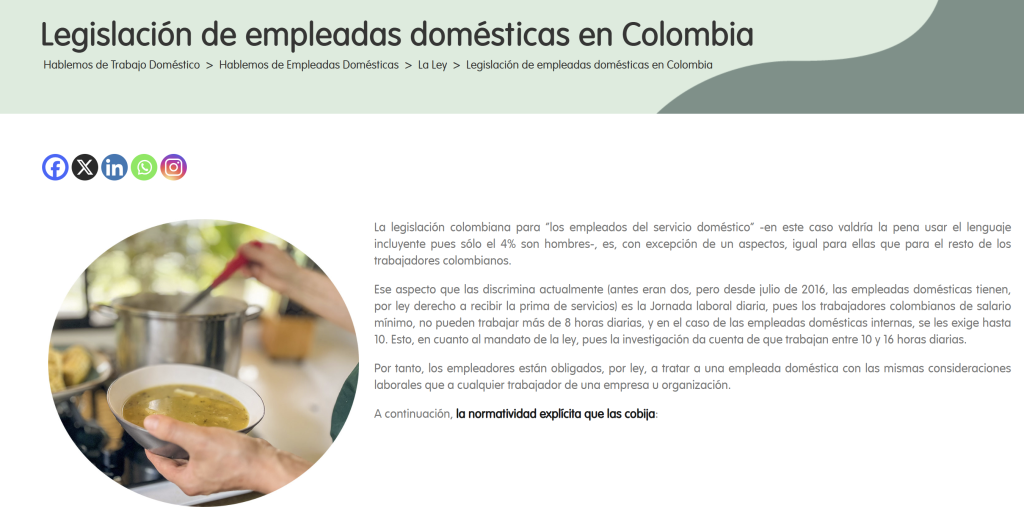
Colombian legislation for “domestic service employees” - in this case it would be worth using inclusive language as only 4% are men - is, with the exception of one aspect, the same for women as for the rest of Colombian…
Published by the T20 to inform the G20 in Brazil (2024), this policy brief, Rethinking the Care Economy and Promoting Gender Equality for All Ages by Reducing and Redistributing Unpaid Care and Domestic Work, outlines essential strategies for addressing unpaid…
As Care Month comes to a close, we reaffirm our commitment to fighting for care work to be valued as the vital work it is, and for every domestic worker to be treated with dignity. Join us in building a…
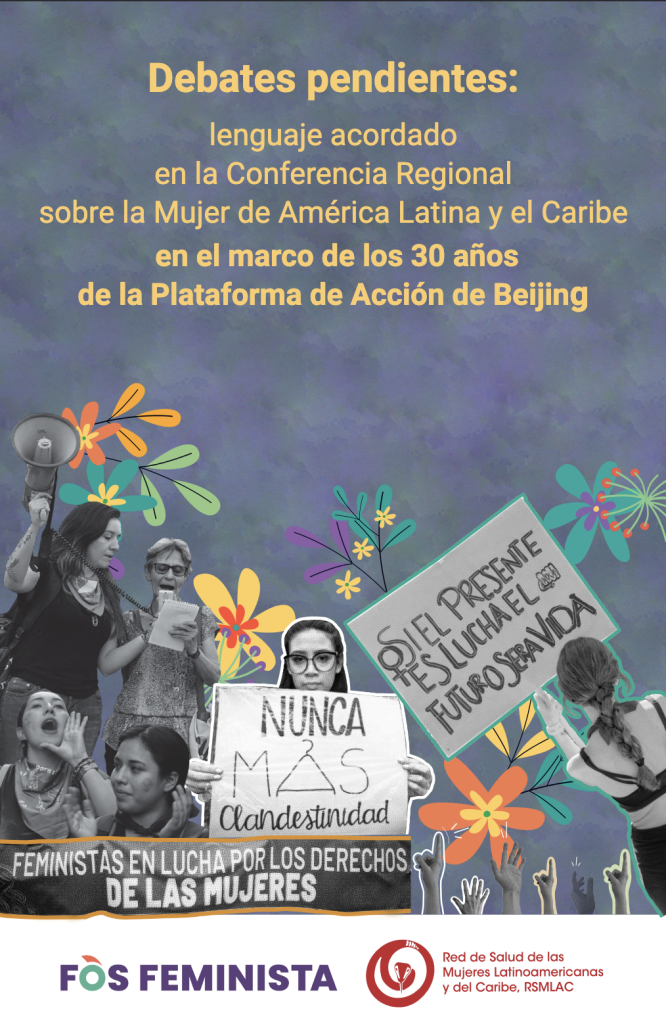
As part of our monitoring work for multilevel advocacy, we produced the document Pending Debates: Language Agreed Upon at the Regional Conference on Women in Latin America and the Caribbean in the Context of the 30th Anniversary of the Beijing…
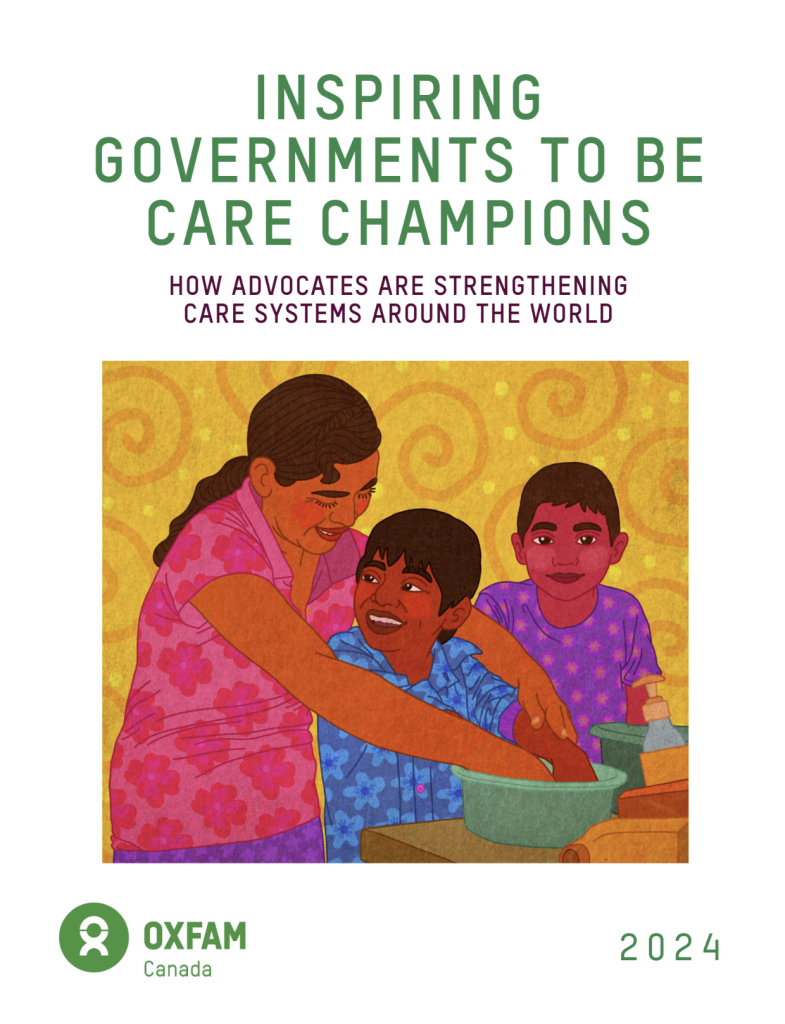
The report, Inspiring Governments to be Care Champions, documents six case studies from Canada, Mexico, Kenya, Zimbabwe, Philippines and Uruguay of care advocates pushing their governments to champion care rights and provisions in public policies. It’s a summary of the…
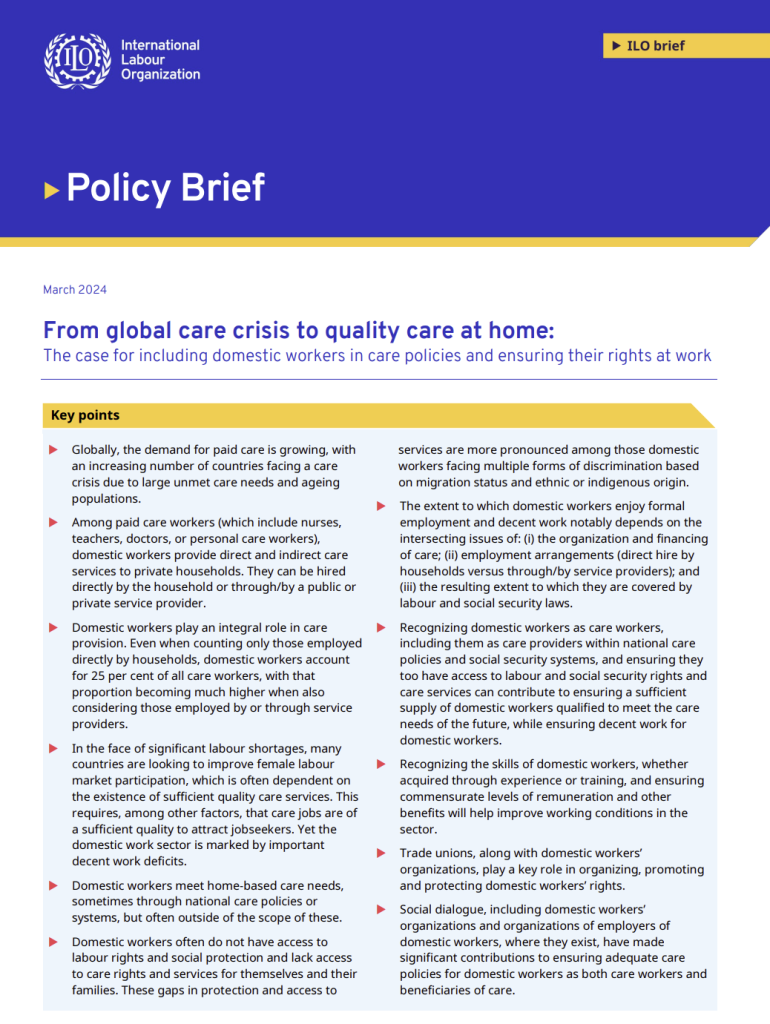
In June 2024, the ILO adopted the ‘5R’ framework for decent work in care, which includes recognising, reducing, redistributing unpaid care work, and rewarding and representing paid care workers. While the first three Rs are established, focusing on reward and…
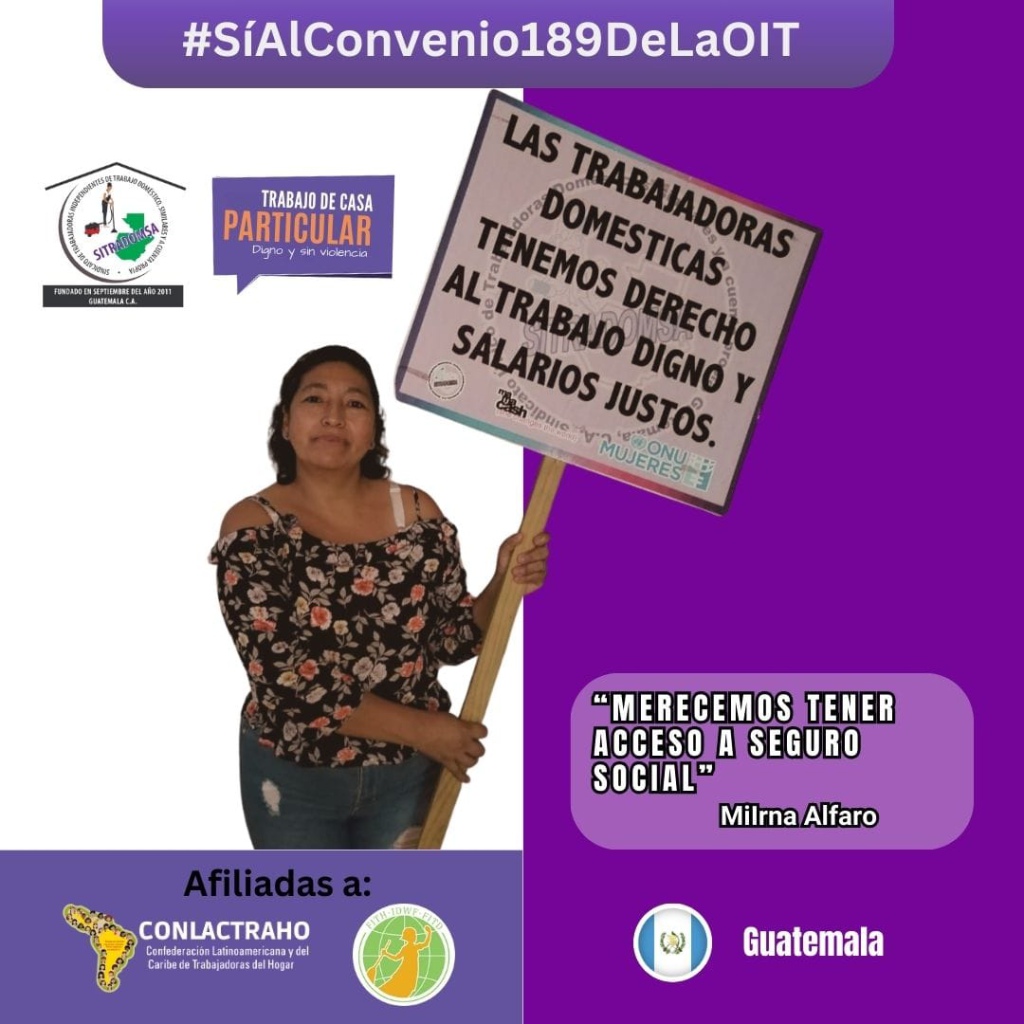
The Union of Domestic, Similar, and Self-Employed Workers of Guatemala (SITRADOMSA) launched the campaign “The Super 189 Be my Hero and Be My Heroine”, with the aim of getting the Congress of that country to approve the ratification of ILO…
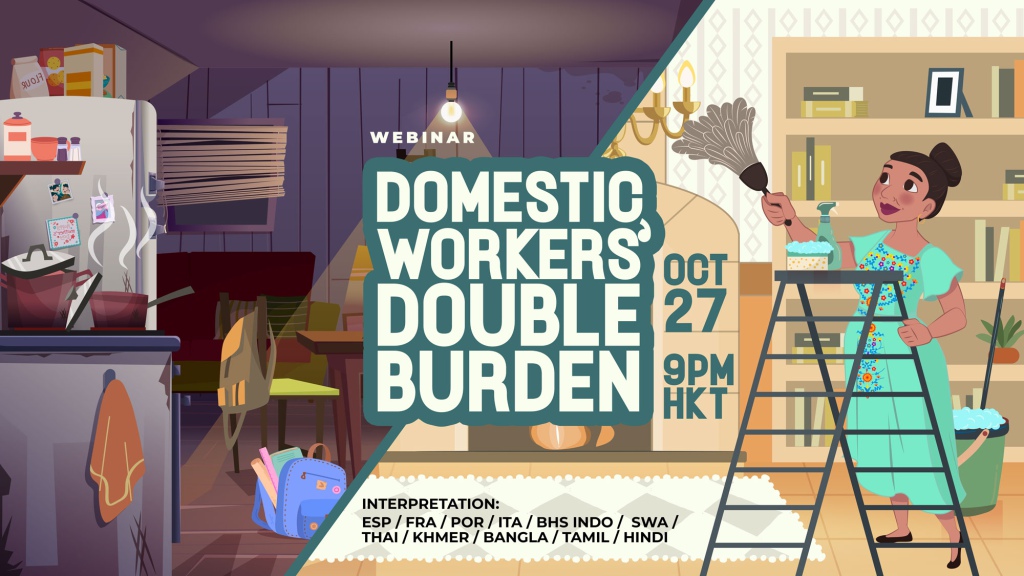
IDWF Campaign on "The double burden of domestic workers as both paid and unpaid care providers: Ensuring decent work and the right to care to build caring societies."
In Kaduna State, Nigeria, the equitable distribution ofcare responsibilities and the empowerment of womenare critical for fostering social equality and sustainabledevelopment. This abstract explores strategies toenhance the recognition and value of care work,addressing systemic inequalities and promotinggender equity. By examining…
Care work - taking care of housework, child rearing, nursing, friendships, social and global togetherness - is "systemically relevant" and should move to the center of economic theory and practice. The authors criticize an economic system that ignores this "unpaid…
On International Domestic Workers Day, the IDWF salutes its affiliates and over 76 million domestic workers who ensure the well-being of families worldwide, making all other work possible. Thirteen years after the adoption of ILO Convention 189, we reaffirm domestic…
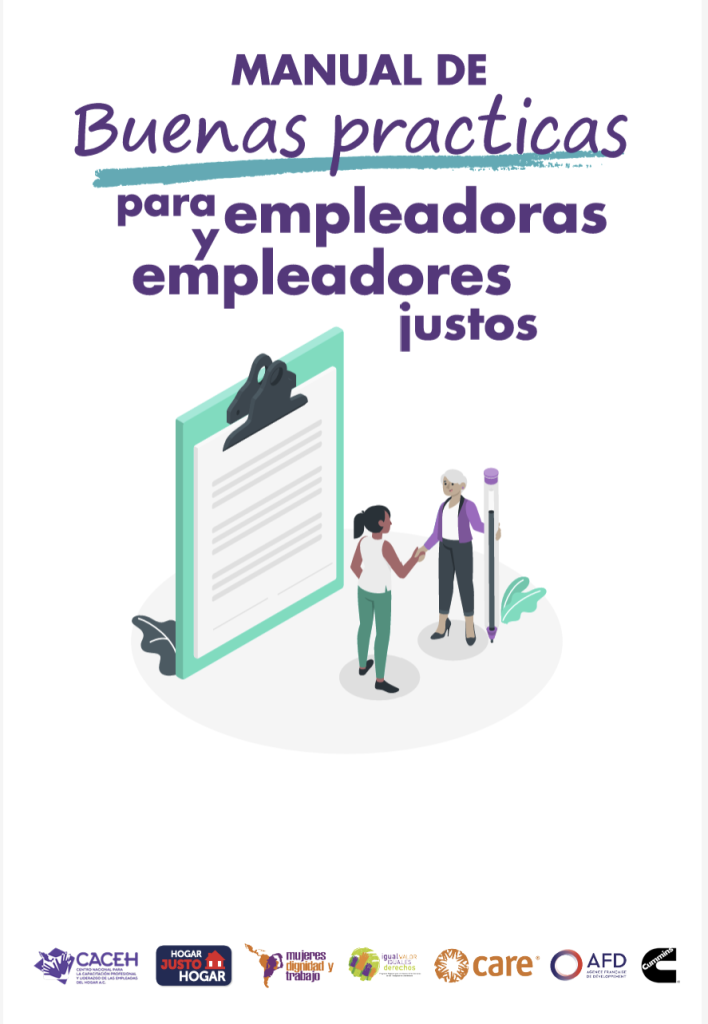
The objective of this Handbook is to provide tools to promote and maintain good, equitable and effective labor practices in order to be a fair employer. Throughout these pages, you will find valuable information that will help you learn about…
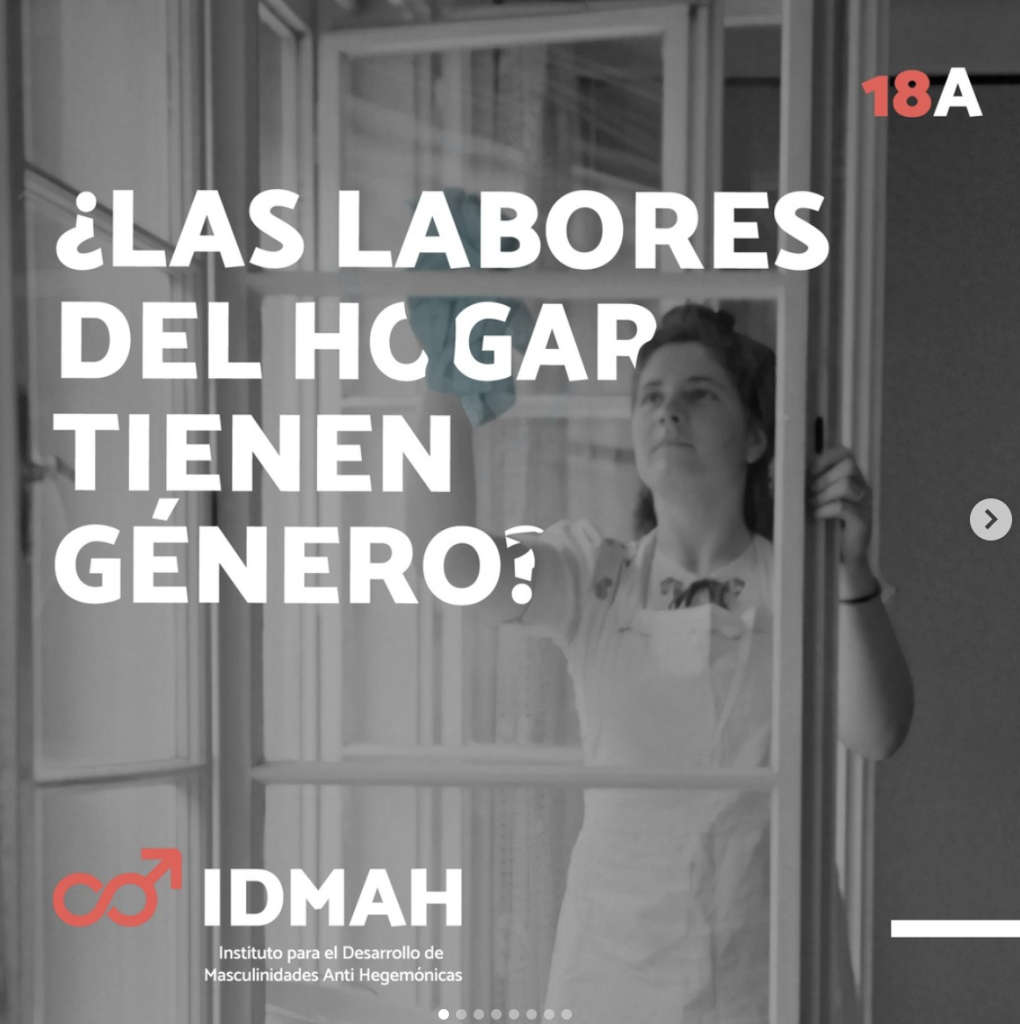
To generate a space for dialogue and reflection on the democratization of care work as a transforming axis of society from the private sphere, the responsibility of the state and the community, with a feminist approach and participatory masculinities.